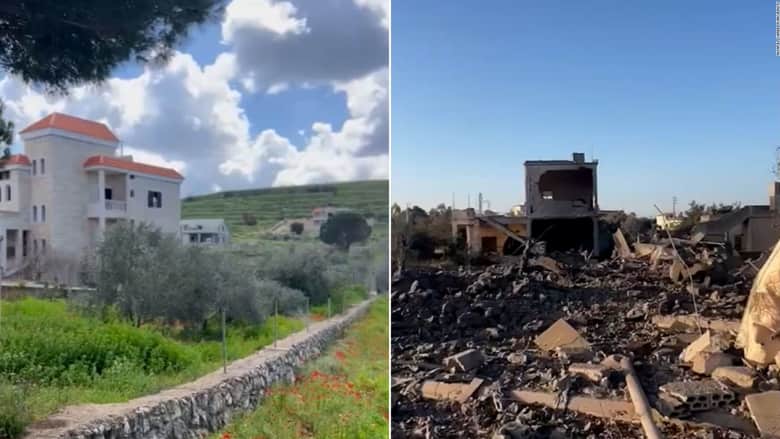
In the last few hours, new incursions by Israeli occupation forces have been reported in various areas of rural Damascus, Quneitra, and Daraa. The Israeli forces executed simultaneous military movements that involved the entry of military vehicles and dozens of soldiers into border villages and towns. These movements coincided with intensive flights by Israeli warplanes in the skies, raising concerns among local residents.
The Israeli incursion also included the implementation of field deployment operations and the establishment of temporary checkpoints, reflecting an escalation in Israeli military activities in the region. Local reports have observed intensified movements by Israeli forces, indicating a clear intention to bolster their military presence in these sensitive areas.
Details of the Event
According to local sources, Israeli forces entered several villages and towns in the rural areas of Damascus, Quneitra, and Daraa, where they established themselves at strategic points. These movements come at a sensitive time, as tensions in the region are increasing due to ongoing events in Syria and their implications for regional security.
Reports also indicated that Israeli warplanes conducted intensive flights over the targeted areas, further heightening tensions and reflecting an Israeli strategy aimed at enhancing military control in border regions. The area has witnessed increasing tensions in recent years due to the ongoing conflict in Syria and the interventions of regional and international powers.
Background & Context
The rural areas of Damascus, Quneitra, and Daraa are considered strategic regions in the Syrian conflict, characterized by complex interactions between Syrian government forces and armed factions, alongside the presence of Israeli forces seeking to maintain their national security. Historically, these areas have been the scene of multiple Israeli military operations, targeting what Israel perceives as security threats from armed factions.
In recent years, Israeli military activities in Syria have increased, focusing on preventing the transfer of weapons to Hezbollah and targeting Iranian military sites. This Israeli strategy is part of the deterrence policy adopted by Tel Aviv in response to potential threats from the northern front.
Impact & Consequences
These incursions are causing heightened tensions between Israel and Syria, which could lead to military escalation in the region. Additionally, these military activities may affect the humanitarian situation in the targeted areas, as local residents live in a state of anxiety and fear regarding potential escalation.
Moreover, these movements may impact relations between Israel and Arab countries, raising significant concerns about security and stability in the region. These developments may require a response from the international community to address the increasing escalation in the Syrian conflict and its implications for regional security.
Regional Significance
These Israeli incursions serve as evidence of the ongoing tensions in the region, underscoring the urgent need for a comprehensive political solution to the Syrian conflict. Furthermore, these events highlight the importance of regional and international cooperation in addressing the security challenges facing Arab countries.
In light of these circumstances, Arab countries must adopt effective strategies to deal with security threats and enhance cooperation among themselves to confront common challenges. The continued tensions in Syria could negatively impact the security and stability of neighboring countries, necessitating coordinated efforts to mitigate the conflict.