European sources have warned that the Israeli invasion of Lebanon, which began in recent weeks, could be worse than the military campaign launched by Israel in 1982. These warnings come at a time when Israeli forces are facing fierce resistance from Hezbollah in the southern areas, increasing the likelihood of a prolonged war.
Reports indicate that the Israeli military operations may remind Lebanese citizens of the 18-year occupation in southern Lebanon, which ended in 2000 after confrontations with Hezbollah. In an unprecedented move, the Lebanese government has opened the door to the possibility of direct dialogue with Israel, but Tel Aviv has shown no interest in this offer, considering it to be too late.
Details of the Current Situation
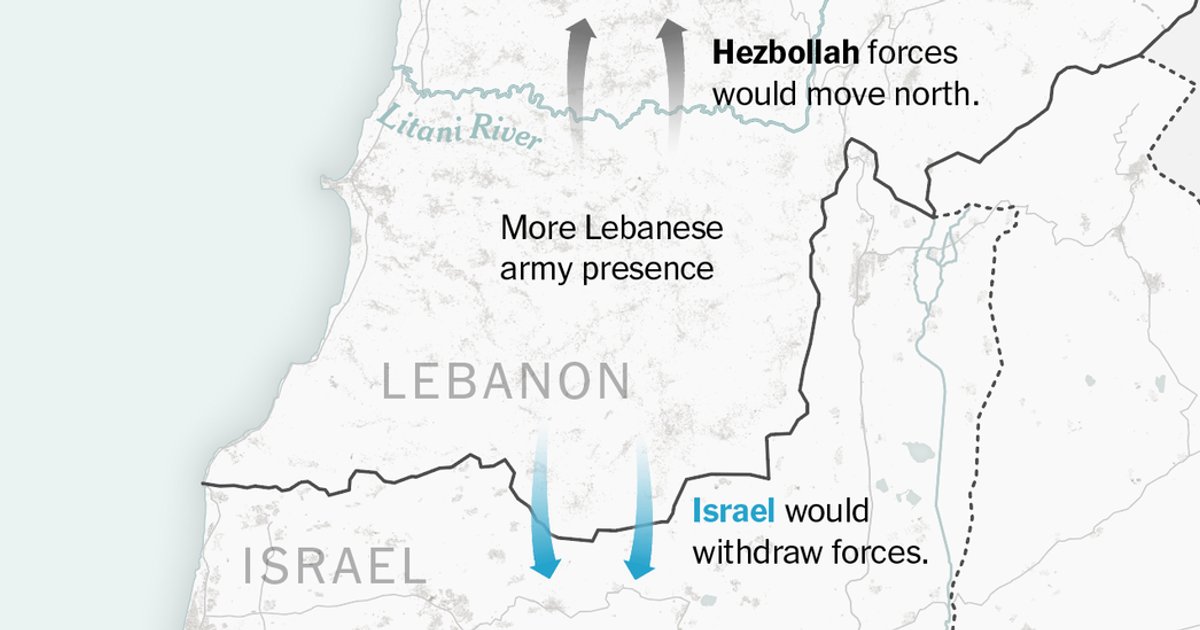
Israel has declared most areas of southern Lebanon as a military zone, targeting bridges and crossings on the Litani River, effectively cutting off a large part of the south from the rest of the country. Orders have also been issued to evacuate all residents from areas south of the river, which is located about 30 kilometers from the Lebanese-Israeli border.
Since Hezbollah entered the broader conflict against Iran on March 2, Israeli forces have gradually advanced through several areas in southern Lebanon in a coordinated attempt to reach the Litani River. According to sources, the Israeli army is following a strategy similar to that used in Khan Younis in Gaza, which includes destroying civilian infrastructure and displacing residents.
Background & Context
Historically, Lebanon has witnessed several conflicts with Israel, the most notable being the invasion in 1982 that led to the occupation of large parts of the country. This invasion resulted in the deaths of thousands of civilians and widespread destruction of infrastructure. After the withdrawal of Israeli forces in 2000, Hezbollah was able to strengthen its position as a resistance force, contributing to a shift in the balance of power in the region.
Today, as tensions escalate, the situation appears to be heading towards a repetition of that disaster. Several European countries have warned that military escalation could exacerbate the humanitarian situation in Lebanon, where more than 1,200 people have been killed and over one million others displaced, most of them from the southern suburbs of Beirut.
Impact & Consequences
As Israeli forces advance, they face difficulties in dealing with Hezbollah's guerrilla warfare tactics, which could lead to a prolonged conflict. European officials have warned that the Israeli invasion could become more deadly than in 1982, as there are no local allies for Israel in Lebanon this time.
The ongoing Israeli military operations continue to target residential buildings and hotels housing displaced families, further complicating the humanitarian situation. The current conditions may also exacerbate sectarian tensions in Lebanon, threatening political stability in the country.
Regional Significance
The situation in Lebanon poses a significant challenge for the Arab region as a whole, as the ongoing war could lead to widespread repercussions, including mass displacement of populations and increased sectarian tensions. The continuation of military operations may also hinder any efforts to reach a future peace agreement between Lebanon and Israel.
In conclusion, the Israeli invasion of Lebanon may reopen old wounds and reignite sectarian conflicts, necessitating an urgent response from the international community to ensure the protection of civilians and halt the escalation.