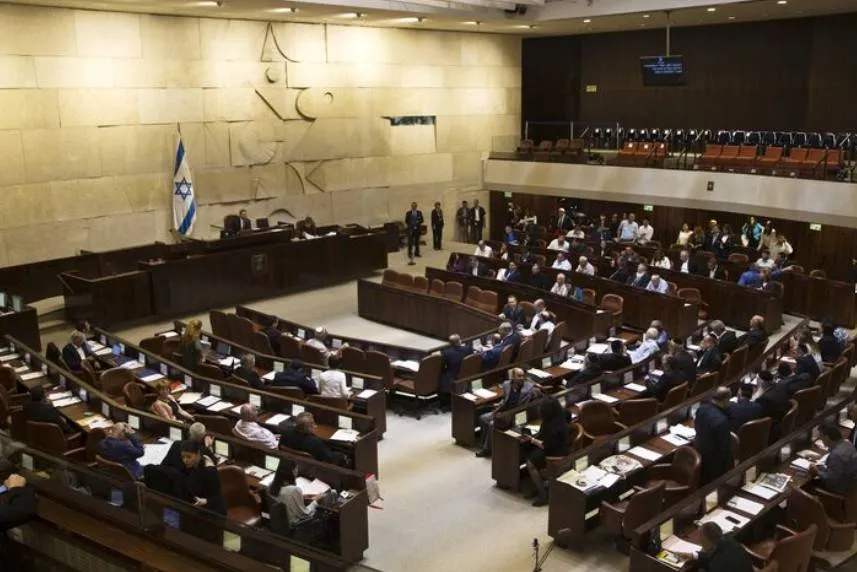
On Monday, the Israeli parliament approved the 2026 budget, which includes a massive increase in defense spending, with the budget being voted in favor by a majority of 62 votes to 55. This move comes at a time when Israel faces escalating security challenges, including the ongoing war against Hamas in Gaza and tensions with Iran and Hezbollah.
The proposed budget for 2026 amounts to approximately 850 billion Israeli shekels, equivalent to about 270 billion dollars. According to a statement from the Knesset, more than 30 billion shekels (around 10 billion dollars) have been added to the Ministry of Defense's budget, bringing it to over 142 billion shekels, as part of a military operation named (Lion's Roar) targeting Iran.
Details of the Event
This increase in defense spending comes at a sensitive time, as the war in Gaza has been raging since the attack launched by Hamas on Israel on October 7, 2023. Additionally, Israel is engaged in confrontations with Hezbollah, which is backed by Iran in southern Lebanon, increasing the need to bolster military capabilities.
During a late-night session before the vote, lawmakers discussed the budget proposal, with far-right Finance Minister Bezalel Smotrich describing the budget as a "historic turning point." He emphasized that this budget would set the country on a path to victory, noting that the government is committed to completing its term and achieving its goals in security and economic fields.
Background & Context
Historically, Israel has seen a continuous increase in defense spending, especially following the escalation of regional tensions. Since the outbreak of the war in Gaza, military spending has become a top priority for the Israeli government, as it seeks to enhance its military capabilities to counter the increasing threats from Iran and its allies.
At the same time, opposition leader Yair Lapid criticized the budget, describing it as "the largest theft in the history of the state," pointing out that the government allocated significant funds for corruption and evasion of conscription. He asserted that the Israeli public recognizes that this budget represents a reward for the corrupt.
Impact & Consequences
The increase in defense spending is expected to lead to a three percent reduction in allocations for all other ministries, which Lapid strongly criticized. Additionally, the government, reliant on support from its ultra-Orthodox and settler allies, approved a significant increase in funds allocated to them, reflecting the political and social divisions within the country.
At the same time, over 750 million dollars have been allocated to ultra-Orthodox parties to support private educational institutions, reflecting the government's preference for the interests of its support base at the expense of other civil budgets.
Regional Significance
This budget is seen as an indicator of rising tensions in the region, reflecting Israel's increasing military preparations to confront threats from Iran and its allies. Moreover, the increase in defense spending may lead to an escalation of conflicts in the region, affecting security and stability in neighboring countries.
In conclusion, the new budget reflects the significant challenges Israel faces amid rising regional tensions and highlights internal divisions in Israeli politics, which may impact the country's future amid ongoing crises.