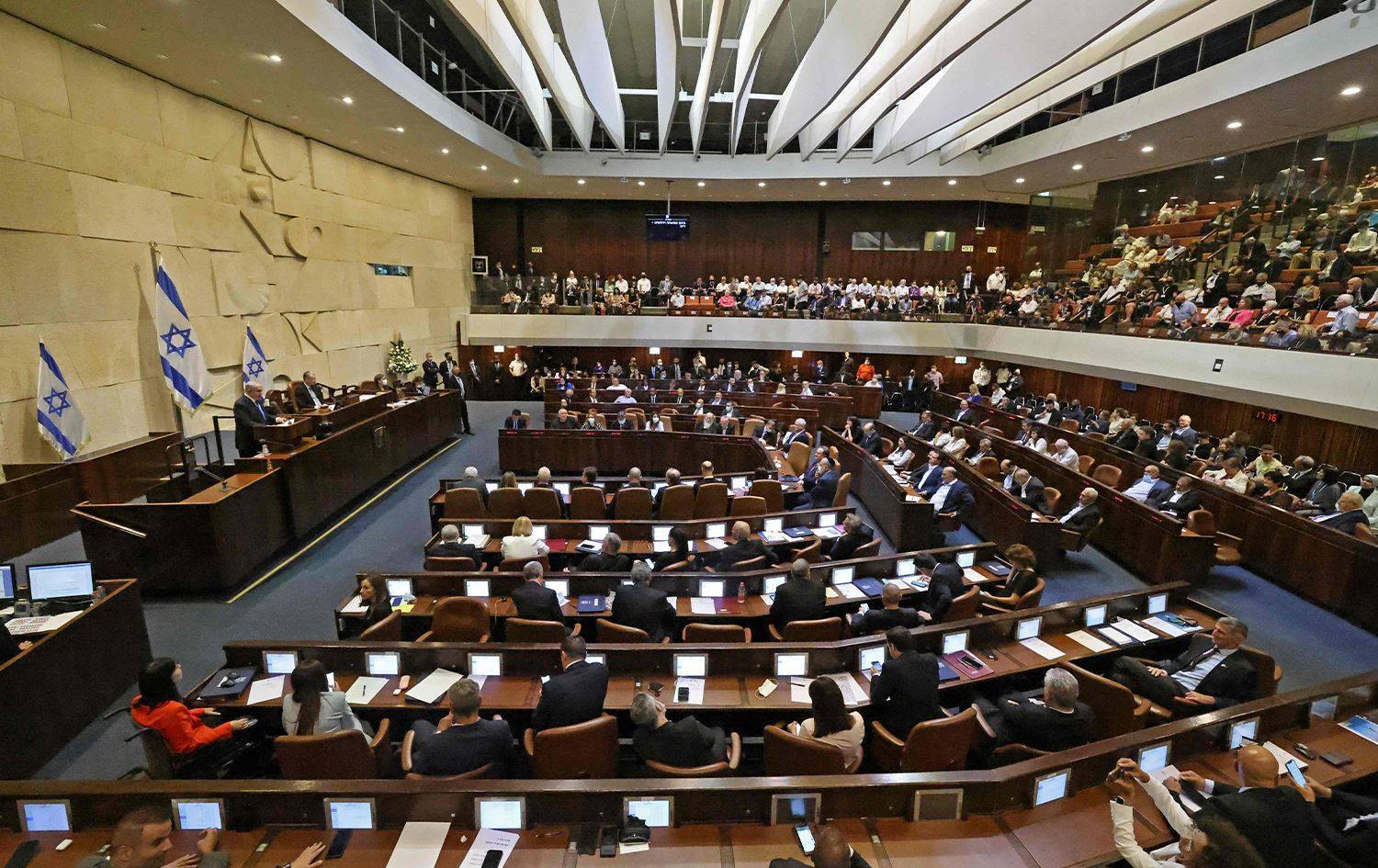
The Israeli Knesset approved the state budget for the year 2026 early this morning, preventing the collapse of the government and early elections. The budget received support from 62 votes against 55 opposing votes, out of 120 members in the Knesset. The budget amounts to 850.6 billion shekels, equivalent to $271 billion, making it one of the largest budgets in Israel's history.
This move comes at a sensitive time for the Israeli government, as there were concerns that failing to pass the budget could lead to the collapse of the current government, which faces significant political and economic challenges. The Times of Israel described this budget as the largest in the country’s history, reflecting the government's direction towards strengthening the Israeli economy under current circumstances.
Details of the Event
Knesset members voted in a crucial session, where the votes were closely divided between supporters and opponents. Some representatives highlighted the importance of this budget in supporting vital sectors such as education, health, and security, while others criticized certain items they deemed insufficient to address economic and social challenges.
The budget includes an increase in defense spending, reflecting the ongoing security tensions in the region. Additional budgets have also been allocated for infrastructure projects and social development, indicating the government's desire to enhance internal stability.
Background & Context
Historically, Israel has witnessed numerous political crises that led to early elections. Previous governments struggled to pass budgets, resulting in the disintegration of their administrations. In recent years, pressures on the current government have increased due to security and economic conditions, making it essential to pass the budget to avoid any slide into political chaos.
This budget is part of the Israeli government's plan to bolster the national economy amid global and local challenges. It was announced at a critical time, as fears grow regarding the impact of global economic crises on the Israeli economy.
Impact & Consequences
The passage of the budget may contribute to the stability of the Israeli government for a longer period, allowing it to focus on economic and social issues. However, the criticisms directed at some budget items could lead to divisions within the ruling coalition, potentially threatening the government's stability in the future.
Moreover, this budget could affect Israel's relations with neighboring countries, especially amid ongoing regional tensions. Increased defense spending may provoke reactions from Arab states, which could impact peace efforts in the region.
Regional Significance
This decision holds significant importance for Arab countries, as it reflects Israeli trends towards enhancing its military and economic capabilities. Given the current situation, this budget may lead to increased tensions in the region, especially with ongoing conflicts.
Additionally, the increase in defense spending could impact the budgets of Arab nations, potentially forcing them to reassess their economic and security priorities. At the same time, Arab countries must closely monitor developments in Israel, as any changes in Israeli policy could directly affect conditions in the region.
In conclusion, the passage of the 2026 budget represents an important step in the trajectory of the Israeli government, but it carries significant challenges that could affect its stability and the situation in the region.