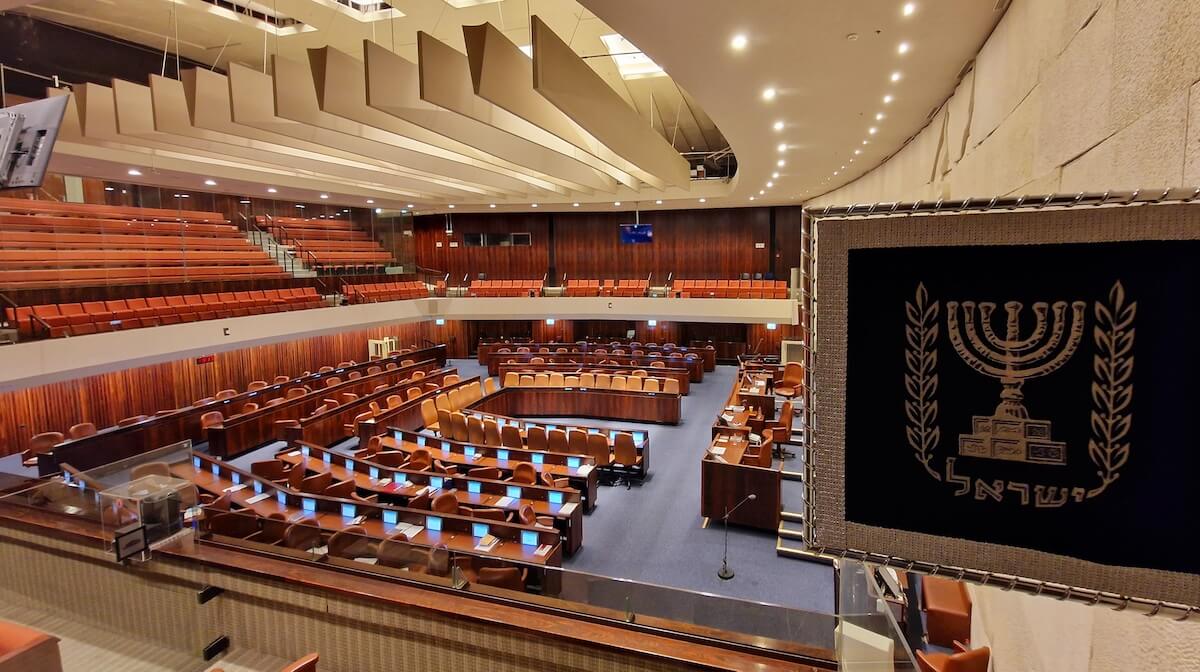
The Israeli Knesset has approved, by a majority vote, a bill that allows the imposition of the death penalty on Palestinian prisoners, raising considerable concern among human rights and political circles. This move comes at a time of escalating tensions between Israel and Palestinians and is seen as a dangerous precedent in the ongoing conflict.
This step is part of a series of laws aimed at tightening penalties against Palestinians, with the current Israeli government, composed of a hardline right-wing coalition, supporting this law as part of its internal security policy.
Details of the Legislation
The bill was approved during a Knesset session that witnessed heated debates among the lawmakers, with 55 members voting in favor and 9 opposing. The law stipulates the possibility of applying the death penalty to prisoners convicted of murder or attempted murder of innocents, thereby opening the door for the application of this penalty in multiple cases.
This decision follows a series of attacks targeting Israelis, which the government has used as a pretext to tighten laws against Palestinians. The law has provoked angry reactions from human rights organizations, which consider the application of the death penalty a blatant violation of human rights.
Background & Context
Historically, the death penalty has been a controversial topic in Israel, having been executed in very rare cases. However, the current government seeks to change this situation, exploiting the tense security atmosphere. Since the onset of the Second Palestinian Intifada, relations between Palestinians and Israelis have significantly deteriorated, leading to increased violence and tensions in the region.
This step is part of the Israeli government's policy aimed at enhancing internal security, but it simultaneously reflects a regression in peace efforts between the two sides. Many international organizations have warned that these policies could exacerbate conditions in the occupied territories.
Impact & Consequences
This move is seen as an escalation in the Israeli-Palestinian conflict, with expectations that it will lead to further violence and tensions in the region. The application of the death penalty may provoke strong reactions from Palestinians, potentially escalating protests and confrontations.
Moreover, this law could negatively impact Israel's image in the international community, as the application of the death penalty is viewed as a harsh and inhumane measure. Israel may face increasing international pressure from human rights organizations calling for respect for the rights of Palestinian prisoners.
Regional Significance
This step serves as a warning to Arab countries, reflecting the rising tensions in the region. These policies could worsen conditions in the occupied territories, affecting relations between Arab states and Israel. Reactions from Arab nations may include calls to support Palestinians and enhance their rights.
Ultimately, the question remains regarding how this step will affect the future of the Israeli-Palestinian conflict and whether it will lead to further escalation or open the door for new dialogue. The current situation requires the international community to act swiftly to put an end to these policies that threaten peace in the region.