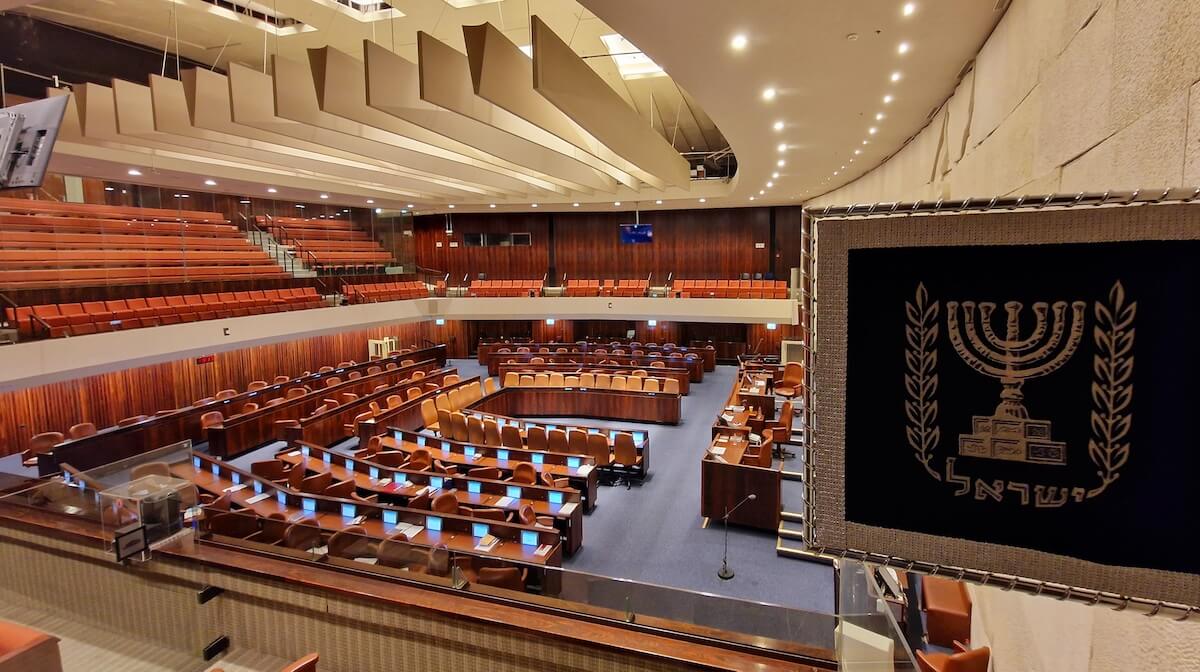
The Israeli Knesset voted today in favor of a law that allows for the execution of Palestinian prisoners, a move that has sparked extensive debate in political and human rights circles. This law, which was passed by a majority vote, reflects the increasing tensions in the Israeli-Palestinian conflict and raises concerns about its implications for human rights in the region.
This step comes in the context of rising violence in the Palestinian territories, where recent weeks have seen intensified Israeli military operations in the West Bank and Gaza Strip. This law is considered part of a series of measures taken by the current Israeli government, which adopts a strict policy towards Palestinians, further heightening international criticism.
Details of the Legislation
The law was voted on during a special session of the Knesset, where it received majority support from the members, reflecting the Israeli government's backing of this policy. The law stipulates the possibility of imposing the death penalty on prisoners convicted of murder, which some view as a blatant violation of human rights.
While the Israeli government justifies this law as part of its fight against terrorism, opponents argue that it contributes to escalating violence and increases the suffering of Palestinian prisoners and their families. Human rights organizations have expressed concern over this legislation, pointing out that it contradicts international human rights standards.
Context and Background
This law comes at a sensitive time, as tensions between Palestinians and Israelis are escalating in the Palestinian territories. Since the beginning of the year, Israeli military operations in the West Bank have increased, resulting in the deaths of many Palestinians and the arrest of hundreds. There are also growing international calls for pressure on Israel to halt human rights violations.
Historically, laws related to penalties in Israel have been a source of significant controversy, with many believing that these laws specifically target Palestinians. Similar laws have been enacted in the past, but this new law is considered the most stringent to date.
Consequences and Impact
This law is expected to have serious repercussions on the situation in the Palestinian territories. It may lead to an escalation of violence between Palestinians and Israelis, increasing tensions in the region. Additionally, this decision could negatively impact Israel's relations with the international community, as there is likely to be increased pressure on the Israeli government from human rights organizations and countries advocating for the respect of Palestinian rights.
Moreover, this law may affect efforts to achieve peace in the region, as many believe that such policies hinder any progress towards a peaceful resolution of the conflict.
Impact on the Arab Region
This law does not only affect Palestinians; it has broader implications for the Arab region. It may provoke strong reactions from Arab countries that support the Palestinian cause, potentially leading to heightened political stances. Furthermore, this decision could enhance feelings of Arab solidarity with Palestinians and increase calls for economic and political boycotts of Israel.
In conclusion, this law represents a new step in the trajectory of the Israeli-Palestinian conflict and reflects the significant challenges facing the Palestinian cause under current Israeli policies. It remains to be seen how the involved parties will respond to this development and whether there will be international efforts to pressure Israel to halt these policies.