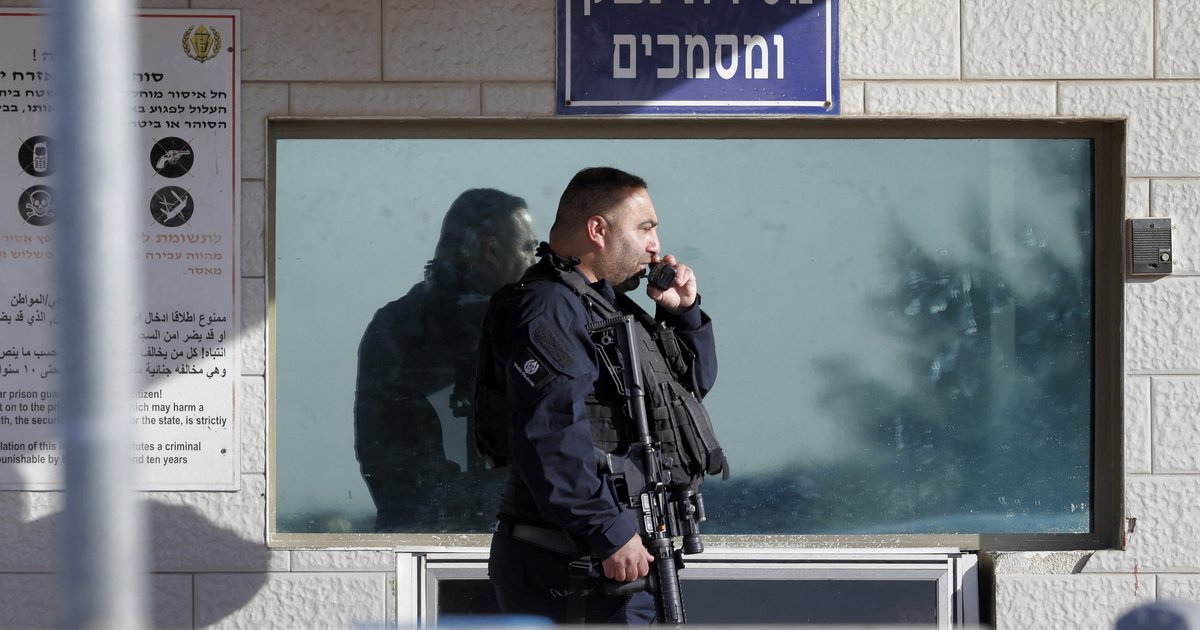
The Israeli parliament, the Knesset, is preparing to vote on Monday for the final reading of a bill that allows the death penalty for Palestinians convicted of 'terrorism'. This legislation, introduced by the far-right Jewish Power party, has sparked a wave of criticism due to its violation of the right to life and the potential for its discriminatory application against Palestinians compared to similar crimes committed by Jews.
In a joint statement, the foreign ministers of Germany, France, Italy, and the United Kingdom expressed their deep concern over the actual discriminatory nature of this law, warning that it could undermine Israel's commitment to democratic principles. They emphasized that "the death penalty is a form of inhumane and degrading punishment, and has no deterrent effect."
Details of the Legislative Process
According to media reports, the Israeli army believes that this legislation may violate international law, exposing military leaders to potential arrest warrants. Despite over 1,000 objections, the final reading was approved by the Knesset's National Security Committee. Although Prime Minister Benjamin Netanyahu attempted to soften the language of the law, legal experts maintain that the current wording still constitutes a violation of international law.
This law has raised concerns among families of hundreds of Palestinian prisoners who could face execution if the law comes into effect. Sabreen Shahrouri, sister of prisoner Moamer Shahrouri, stated that this proposal has left families living in constant fear. Her brother, a member of Hamas, was arrested in 2002 and sentenced to life in prison plus 30 years.
Context and Background
Historically, Israel has taken strict measures against Palestinians, with thousands arrested on terrorism-related charges. Since the onset of the war on Gaza in October 2023, reports of torture and deaths in Israeli prisons have surged. Human rights organizations have documented serious violations against prisoners, with at least 90 prisoners dying under harsh conditions during this period.
The death penalty is a contentious issue in many countries, having been abolished in several European nations, while some still retain it. In the Israeli context, this law appears to aim at reinforcing control over Palestinians through the use of harsh penalties.
Consequences and Implications
If this law is enacted, it could pave the way for the imposition of harsh penalties against Palestinians, escalating tensions in the region. It may also lead to increased international criticism of Israel, especially from countries advocating for human rights. Human rights organizations have warned that this law could establish a discriminatory penalty system specifically targeting Palestinians.
This move is seen as part of a broader policy aimed at undermining Palestinian rights, raising fears of a culture of impunity in Israel. Additionally, this law could negatively impact peace efforts in the region, as it would increase polarization between the two sides.
Impact on the Arab Region
This step serves as a wake-up call for Arab countries, reflecting the increasing Israeli violations against Palestinians. While Arab nations strive to promote human rights, this law adds to the challenges they face in supporting the Palestinian cause. It may also lead to heightened public protests in Arab countries, where citizens are concerned about the ongoing violations against Palestinians.
In conclusion, the vote on this law could have far-reaching effects on Israeli-Palestinian relations and on human rights in the region as a whole. The Palestinian issue must remain at the forefront of Arab and international attention, especially under the current circumstances.