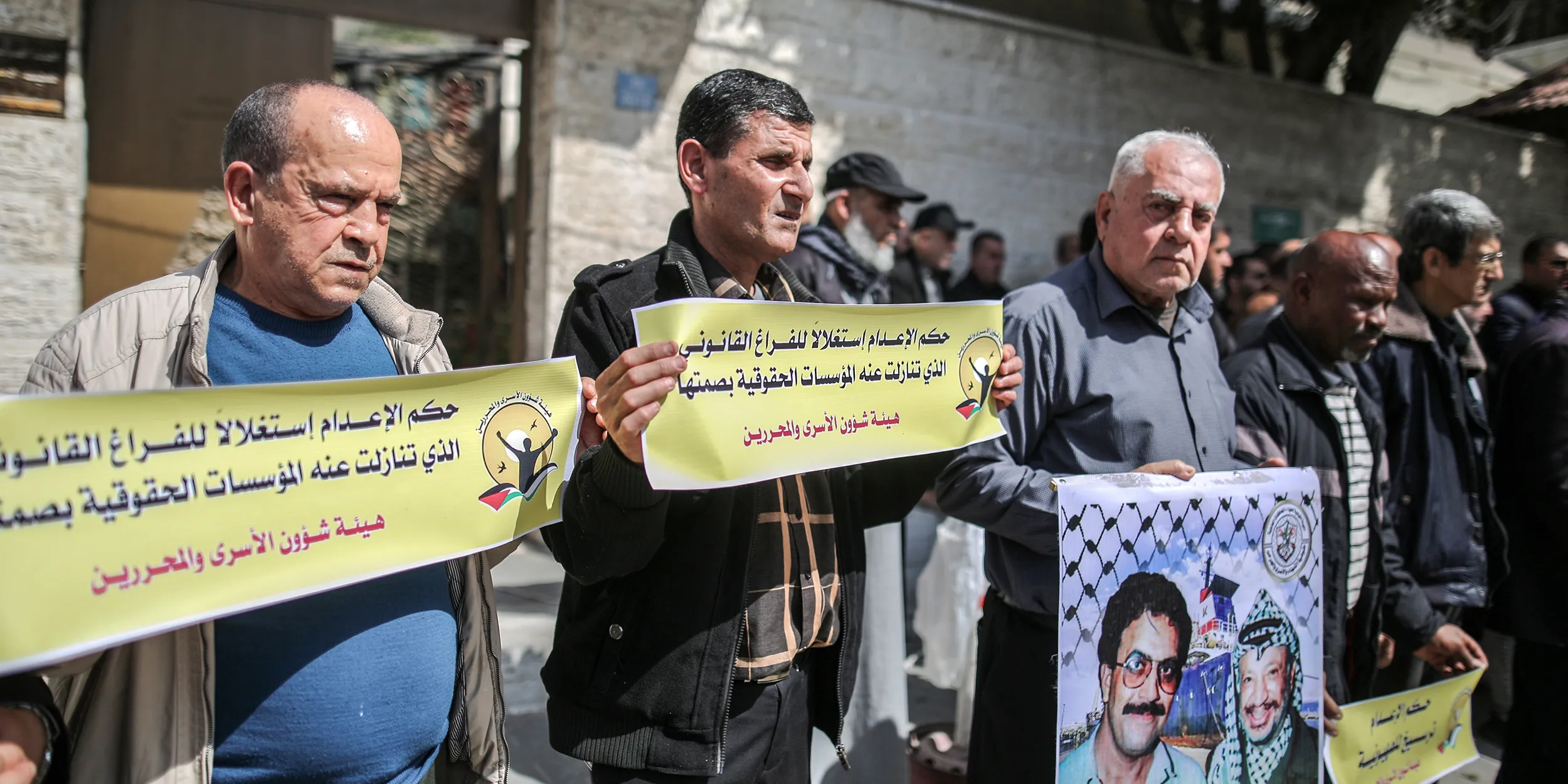
The Israeli Knesset, the Israeli parliament, is preparing to vote on a controversial bill aimed at imposing the death penalty on Palestinians convicted of committing deadly attacks. This vote comes at a time when tensions in the Palestinian territories are escalating, raising concerns about the implications of this law on the security and humanitarian situation in the region.
This law is considered part of the current Israeli government's policy, which adopts a more hardline approach towards Palestinians, as some Knesset members seek to enhance penalties for those suspected of committing violence against Israelis. The proposal was introduced by the ruling Likud party, led by Prime Minister Benjamin Netanyahu, who is facing increasing criticism over his policy towards Palestinians.
Details of the Legislation
The bill comes at a sensitive time, as recent months have witnessed a rise in Palestinian attacks against Israeli targets, resulting in the deaths of several Israelis. The law aims to deter these attacks by imposing the death penalty, which its supporters view as a necessary step to protect Israeli national security. However, this law faces strong opposition from human rights organizations, which consider it a violation of fundamental human rights.
If the law is passed, it would allow for the execution of Palestinians convicted of deadly attacks, which raises widespread concern among Palestinians and the international community. Human rights organizations have warned that this law could lead to an escalation of violence in the region and increase the suffering of Palestinian civilians.
Context and Background
Historically, the death penalty has been a contentious issue in Israel, with executions carried out in very rare cases. However, the current government seeks to change this situation amid rising tensions. This trend is attributed to several factors, including the increase in Palestinian attacks and a heightened level of concern among Israelis regarding security.
Over the years, Israeli-Palestinian relations have deteriorated continuously, with an increase in attacks and military responses. These dynamics have exacerbated the humanitarian situation in the Palestinian territories, complicating any efforts for peace.
Consequences and Impact
If this law is passed, it could have serious repercussions on Israeli-Palestinian relations. It is likely to lead to an escalation of violence, as Palestinians may feel increasingly targeted. Additionally, this law could impact future peace efforts, as it would heighten polarization between the two sides.
Furthermore, the international community may intervene in this matter, as Israel could face widespread criticism from human rights organizations and countries advocating for the respect of human rights. This could lead to Israel being diplomatically isolated, affecting its relations with Western nations.
Impact on the Arab Region
This law is part of a broader policy adopted by Israel towards Palestinians and could have profound effects on neighboring Arab countries. An escalation of violence may lead to an influx of Palestinian refugees into neighboring states, increasing pressure on these countries.
Reactions from Arab nations may range from condemnation to protests, potentially leading to new diplomatic tensions in the region. Under these circumstances, Arab countries must be prepared to deal with the potential repercussions of this law.
In conclusion, the proposed death penalty law for Palestinians convicted of deadly attacks represents a controversial step that could lead to heightened tensions in the region. The international community must closely monitor the situation, as any escalation could significantly impact security and stability in the Middle East.