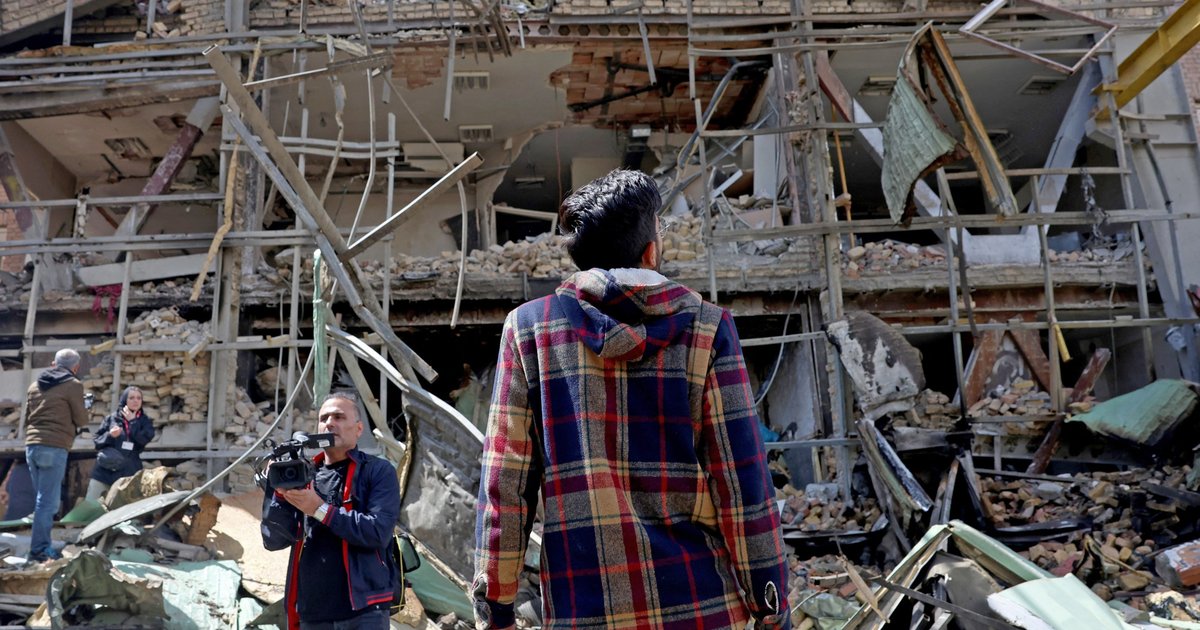
The Israeli military announced it conducted over 200 airstrikes over the weekend, targeting military sites in both Iran and Lebanon. Israeli forces confirmed that the strikes targeting Iran included air defense systems and ballistic missile production facilities, as well as a weapons storage site belonging to the Iranian Revolutionary Guard.
In Lebanon, reports indicated that the Israeli military targeted training sites belonging to Hezbollah, in addition to weapon depots and launch sites, including the headquarters of the elite Radwan unit affiliated with the group. However, no independent source has been able to verify these claims.
Details of the Event
These airstrikes come at a sensitive time, as the region is witnessing increasing tensions between Israel and Iran, particularly amid ongoing Iranian military activities in the area. The Israeli military indicated that these operations are part of its ongoing efforts to confront the threats posed by Iran and its allies in the region, including Hezbollah.
These airstrikes are considered part of a broader Israeli strategy aimed at undermining Iranian military capabilities in the region, especially given concerns over Iran's development of its nuclear and missile programs. Israel has expressed worries that these capabilities could be used against it in any future conflict.
Background & Context
Historically, relations between Israel and Iran have been marked by severe tensions since the Iranian Revolution in 1979, with Iran viewing Israel as a primary enemy. These tensions have significantly escalated in recent years, particularly with Iran's involvement in regional conflicts and its support for groups like Hezbollah.
In recent years, Israel has intensified its attacks on Iranian targets in Syria and Lebanon, viewing these operations as part of its efforts to prevent Iran from bolstering its military presence in the region. These dynamics have contributed to escalating tensions between regional and international powers.
Impact & Consequences
These airstrikes raise concerns about a greater escalation in the conflict between Israel and Iran, as they could provoke military responses from the Iranian side or its allies in the region. Additionally, these operations may affect regional stability, increasing the likelihood of new conflicts erupting.
Moreover, these events could impact international relations, as major powers may be forced to reassess their strategies in the region. These airstrikes may also provoke reactions from Arab states, which may see this as a threat to their security and stability.
Regional Significance
These developments are significant for Arab countries, as they could affect regional security and the balance of power in the area. Amid rising tensions, Arab states may find themselves compelled to reevaluate their security and military policies.
Furthermore, these events could lead to increased cooperation among Arab states to address common threats, especially with the presence of regional powers like Iran seeking to enhance their influence in the area. Thus, recent events may serve as a catalyst for unifying Arab efforts to confront security challenges.