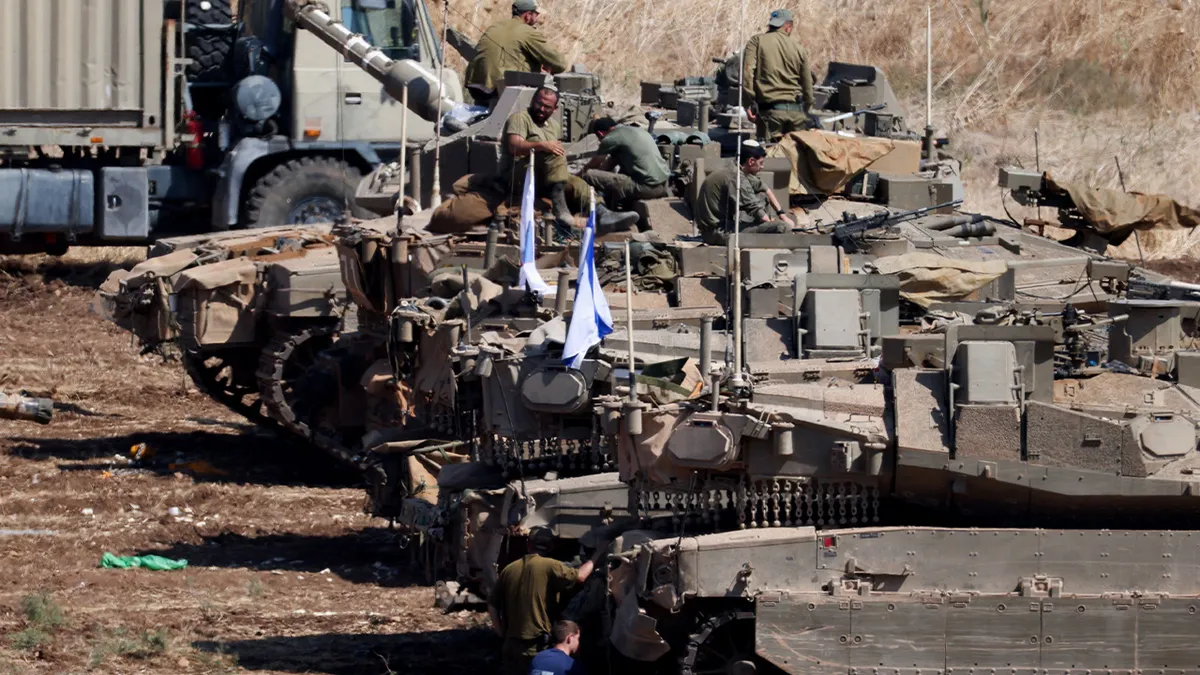
A senior officer in the Israeli army reported on Friday morning, during a discussion with military correspondents, that the ongoing military campaign in Lebanon will not lead to the complete disarmament of Hezbollah. The officer emphasized that this should have been understood, as it has been mentioned several times in recent weeks.
Concerns are mounting among Israelis that the current strategy against Hezbollah may not achieve the desired objectives. The officer noted that a positive scenario might involve reducing the party's capabilities, but not disarming it entirely, which reflects a decline in trust in military and political leadership.
Details of the Event
These statements come at a sensitive time, as the Israeli army faces both internal and external pressures. With rising tensions in the region, many are questioning the effectiveness of the military strategy employed against Hezbollah, which is considered one of the most significant security threats to Israel.
The officer's remarks also come amid increasing criticism from certain Israeli circles, who believe that the government and military have not taken sufficient steps to address security challenges. Recent opinion polls have shown that a large percentage of Israelis feel dissatisfied with the military performance of the government.
Background & Context
Hezbollah, established in the 1980s, is one of the most prominent armed factions in Lebanon, known for its advanced military capabilities. The group has fought several wars with Israel, the most notable being the 2006 war, which resulted in widespread destruction in Lebanon and significantly impacted relations between the two sides.
Over the years, Hezbollah has managed to strengthen its military power, making it a persistent threat to Israel. However, the internal challenges facing Israel, such as political division and popular protests, may affect its ability to effectively deal with this threat.
Impact & Consequences
The repercussions of this crisis of confidence between Israelis and their leadership extend beyond domestic politics, as it may affect regional stability overall. With Hezbollah's growing power, the likelihood of military escalation in the region may increase, threatening regional security.
Furthermore, these conditions could impact Israel's relations with other countries, especially those seeking to mediate in regional conflicts. Instability in Lebanon could lead to negative consequences for security in neighboring countries, such as Syria and Palestine.
Regional Significance
The situation in Lebanon is part of the larger picture in the Arab region, where tensions are rising between armed factions and states. Hezbollah is not only a local player but also has regional influences extending to Iran and Syria, complicating the situation in the Middle East.
This crisis presents an opportunity for Arab countries to reassess their security and political strategies, as the current situation requires greater coordination to face common challenges. Strengthening cooperation among Arab states could contribute to achieving stability in the region.
In conclusion, the crisis of confidence between Israelis and their leadership reflects significant challenges facing Israel in its military policy. With Hezbollah's increasing power, Israeli leadership must reconsider its strategies to ensure security and stability in the region.