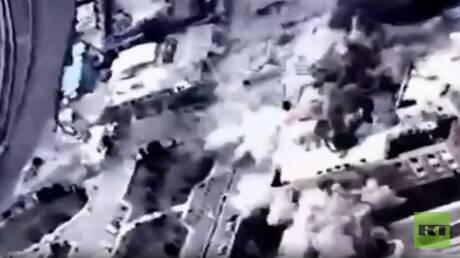
The Israeli army has announced the execution of approximately 800 airstrikes since the onset of the war against Iran, where it has dropped over 16,000 shells of various types. These operations come at a sensitive time marked by notable military and political tensions in the region.
Concerns are growing regarding the impact of these operations on regional security, as Israel seeks to bolster its military position in the face of challenges posed by Iran and its allies in the region. It appears that these operations are part of an Israeli strategy aimed at preventing any potential threats from Iran.
Details of the Operations
According to reports, the airstrikes included both aerial and ground operations, targeting military sites and strategic centers believed to be linked to Iranian activities. These operations reflect Israel's commitment to confronting what it perceives as existential threats, and they have been executed alongside official statements emphasizing the importance of maintaining military superiority in the region.
Israeli military sources have also reported that the offensive operations involved the use of advanced technologies and diverse weaponry, showcasing the Israeli army's capability to conduct complex operations in varied combat environments. These operations are considered part of a comprehensive strategy aimed at undermining Iranian influence in the region.
Background & Context
Historically, relations between Israel and Iran have been characterized by increasing tensions, especially following the Islamic Revolution in Iran in 1979. Since then, Israel has viewed Iran as a major threat to its national security, prompting it to take military and strategic actions to counter this threat. In recent years, Iran has intensified its support for its allies in the region, such as Hezbollah in Lebanon, exacerbating tensions.
These operations occur within a broader context of regional conflicts, where political and military interests among major powers in the region intersect. Additionally, the Israeli military escalation comes at a time of political transformations in the region, further complicating the security landscape.
Impact & Consequences
These operations could lead to further escalation in the conflict between Israel and Iran, threatening stability in the region. There are concerns that these operations may provoke reactions from the Iranian side, either through direct attacks or via its allies in the region.
Moreover, the military escalation could affect relations between Arab states and Israel, especially amid normalization attempts by some Arab countries with Israel. This situation may complicate peace efforts in the region and heighten political divisions.
Regional Significance
The current events have significant implications for the national security of Arab states, as fears grow regarding the potential spillover of the conflict into other countries in the region. Israeli military operations may increase tensions between Arab states and Iran, threatening regional stability.
Furthermore, military escalation could impact the regional economy, as conflicts may lead to decreased investments and increased security costs. Under these circumstances, Arab states must adopt strategic positions to address the growing challenges.
In conclusion, the situation in the region remains tense, with ongoing Israeli military operations against Iran. The current situation requires all parties involved to consider peaceful solutions to avoid escalating the conflict and achieve stability in the region.