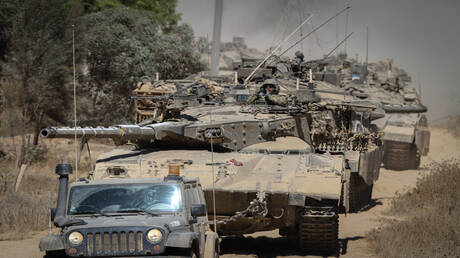
Israeli military sources report that the Israel Defense Forces are preparing to expand their military operations against Lebanon following Hezbollah's rejection of a U.S.-brokered ceasefire draft. This escalation comes at a sensitive time, as tensions in the region have risen following a series of border clashes.
Concerns are growing that this escalation could lead to a larger conflict, negatively impacting regional security. Sources have confirmed that the Israeli military plans extensive operations targeting Hezbollah positions, a step that Tel Aviv considers essential for ensuring its national security.
Details of the Event
According to the Hebrew website "Walla," the Israeli military intends to broaden its military operations in Lebanon after Hezbollah expressed its rejection of the proposed ceasefire draft. This draft was prepared under U.S. supervision, highlighting the American role in attempting to calm the situation in the region.
Hezbollah's rejection comes in a complex historical context, as the party believes that any agreement must guarantee its interests and security. There are also concerns that any escalation may provoke reactions from other countries in the region, further complicating the security situation.
Background & Context
The history of the conflict between Israel and Hezbollah spans decades, with the region witnessing numerous wars and clashes. Following the 2006 war, tensions between the two sides persisted, accompanied by threats and limited military operations. In recent years, fears of a larger escalation have increased, particularly with the growing Iranian influence in the region and its support for Hezbollah.
International efforts to de-escalate the situation often encounter obstacles, as each party seeks to achieve its own interests. The United States, which plays the role of mediator, faces significant challenges in convincing the parties to reach an agreement that satisfies everyone.
Impact & Consequences
If the anticipated Israeli attack is carried out, it could have serious implications for regional security. Military escalation may open new fronts in the conflict, increasing the suffering of civilians in Lebanon and affecting stability in neighboring countries.
This escalation could also impact relations between Arab countries and Israel, as some nations may find themselves compelled to reassess their policies towards Tel Aviv. Tensions may also lead to increased support for Hezbollah from certain factions in the region, complicating peace efforts.
Regional Significance
This military escalation occurs at a time when the region is suffering from multiple crises, including the situations in Syria and Iraq. Any escalation in Lebanon could affect stability in these countries, potentially leading to a flow of refugees and increased sectarian tensions.
Moreover, any escalation in the Israeli-Lebanese conflict could impact the regional economy, as financial markets and foreign investments in the area may be affected. Under these circumstances, hope remains pinned on diplomatic efforts to contain the conflict and prevent its exacerbation.