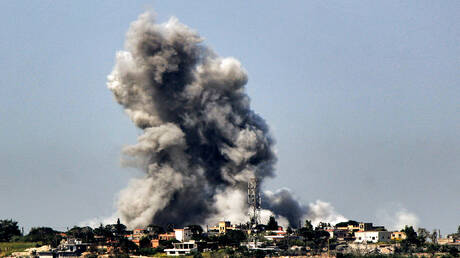
On Saturday, Lebanon witnessed an unprecedented Israeli military escalation, as warplanes executed over 80 airstrikes across 71 towns in the south, the mountains, and the western Bekaa. This intensive attack has resulted in dozens of casualties, raising concerns about the humanitarian situation in the country.
The Israeli assaults included artillery shelling and drone strikes, further heightening tensions in the region. Local reports have documented extensive damage to infrastructure, alongside the displacement of many residents from their homes.
Details of the Escalation
The Israeli escalation began early in the morning, targeting residential areas and vital facilities, leading to significant destruction. Local sources confirmed that the bombardment also targeted sites affiliated with Hezbollah, complicating the security situation in Lebanon.
This escalation occurs amid rising tensions between Israel and Hezbollah, with both sides exchanging accusations of inciting violence. Images captured from the affected areas show the devastating aftermath, highlighting the humanitarian impact of these military operations.
Background & Context
Historically, Lebanon has experienced numerous armed conflicts, particularly between Israel and Hezbollah. The current escalation follows a period of relative calm, raising questions about the underlying reasons for this attack. It is believed that regional tensions, including conflicts in Syria and Palestine, play a role in exacerbating the situation in Lebanon.
Additionally, Lebanon's deteriorating economic situation complicates the landscape, as citizens face multiple crises, including shortages of food and medicine. These conditions make it difficult for the Lebanese government to address both security and humanitarian challenges simultaneously.
Impact & Consequences
The Israeli military escalation poses serious implications for security and stability in Lebanon. This attack is expected to worsen the humanitarian situation, as many residents suffer from the ongoing conflict's effects. Increased military pressure may provoke reactions from Hezbollah, raising the likelihood of further escalations in confrontations in the future.
Moreover, this escalation could affect Lebanon's relations with neighboring countries, as Lebanon is considered a crossroads for many regional issues. This situation may lead to international interventions, further complicating the circumstances in the region.
Regional Significance
This escalation is indicative of rising regional tensions and reflects the humanitarian toll of military actions on civilians. The situation in Lebanon is critical, as it serves as a barometer for broader geopolitical dynamics in the Middle East.
In conclusion, the recent military actions highlight the fragility of the situation in Lebanon and the potential for further conflict, necessitating urgent attention from the international community to mitigate the humanitarian crisis.