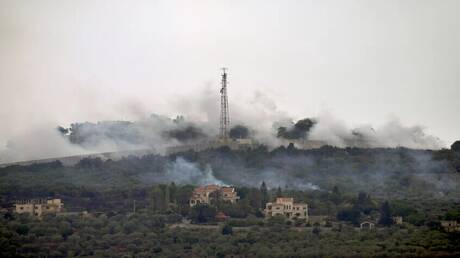
Southern Lebanon and the Bekaa Valley are experiencing a serious military escalation as the Israeli army conducts a series of airstrikes and intense artillery shelling, resulting in casualties and widespread destruction.
This escalation comes at a sensitive time, as tensions in the region have increased, raising concerns about worsening humanitarian conditions in Lebanon. The Israeli airstrikes have targeted dozens of towns, leading to the destruction of infrastructure and civilian casualties.
Details of the Incident
The Israeli army has carried out airstrikes on several areas in southern Lebanon and the Bekaa Valley, targeting sites believed to be affiliated with Hezbollah. Reports indicate that a number of fatalities and injuries have resulted from these airstrikes, in addition to the destruction of many homes and public facilities.
Eyewitnesses have reported that the Israeli artillery shelling was intense, lasting for several hours, which caused panic among the residents. Many families have been evacuated from the affected areas in search of safety.
Background & Context
Historically, the Lebanese-Israeli border has witnessed recurring tensions, especially following the Israeli war on Lebanon in 2006. Since then, clashes between Israeli forces and Hezbollah have continued, leading to escalating situations in the region.
Recently, the rhetoric between both sides has intensified, with Israel accusing Hezbollah of threatening its national security, while Hezbollah has stated that any aggression against Lebanon will be met with a strong response. This latest escalation occurs amid political and economic crises facing Lebanon, complicating the situation further.
Impact & Consequences
The Israeli military escalation in southern Lebanon could lead to serious repercussions for regional security. As the number of casualties and destruction increases, humanitarian conditions may worsen, adding to the suffering of the Lebanese people who are already grappling with multiple crises.
This escalation may also affect relations between Lebanon and neighboring countries, as regional and international powers may intervene to mediate or pressure for a cessation of hostilities. At the same time, it could increase polarization among Lebanese factions, threatening internal stability.
Regional Significance
This military escalation could have wide-ranging effects on the Arab region as a whole. With rising tensions between Israel and Hezbollah, calls for Arab unity to face common challenges may resurface. Additionally, events in Lebanon could impact situations in Syria and Palestine, where interests and crises overlap.
In conclusion, the situation in southern Lebanon and the Bekaa Valley remains under close observation, as everyone hopes for a de-escalation of tensions and an end to the military escalation that threatens security and stability in the region.