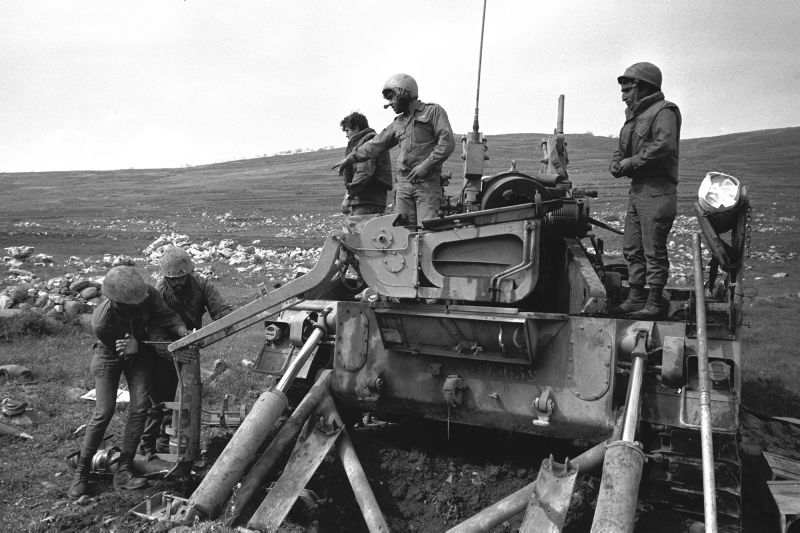
The Israeli army executed a military operation across Mount Sheikh, where elements of the Alpine unit crossed the border into southern Lebanon. The operation was conducted from the Syrian side and involved climbing through snowy mountainous terrain, reflecting the capability of these forces to carry out complex operations under challenging conditions.
This operation comes amid ongoing tensions between Israel and Hezbollah, with increased military activities reported along the Israeli-Lebanese border in recent times. This Israeli move has elicited varied reactions from observers and military analysts.
Details of the Operation
The Israeli army reported that the operation was carefully planned to be effective and swift. Elements of the Alpine unit, known for their ability to navigate mountainous terrain, utilized their climbing skills to surpass the border. This operation reflects a high level of coordination and training among Israeli forces.
Mount Sheikh is considered a strategic area, located on the border between Syria and Lebanon, and is used by Israeli forces as a monitoring zone to observe Hezbollah's military activities. The area has witnessed previous military operations, complicating the security situation further.
Background & Context
Historically, the Israeli-Lebanese border has experienced ongoing tensions, with the region being the stage for numerous armed conflicts. Hezbollah, regarded as a key player in Lebanon, possesses advanced military capabilities and poses a constant threat to Israel. In recent years, military activities along the border have escalated, heightening tensions between the two sides.
Israeli military operations in this area are not new, but they gain particular significance in light of the political and security changes in the region. The situation in Syria significantly impacts regional dynamics, as Israel seeks to prevent any potential threats from Syrian territory.
Impact & Consequences
This military operation serves as a clear message from Israel to Hezbollah, reaffirming its readiness to counter any threats. It may also lead to an escalation of tensions along the border, increasing the risk of a full-scale military conflict.
On the other hand, these operations could affect Israel's relations with the international community, as they may be viewed as a violation of Lebanese sovereignty. This could provoke reactions from the Lebanese government and the international community, further complicating the security situation in the region.
Regional Significance
The repercussions of this operation extend beyond the Lebanese borders, impacting regional stability as a whole. Amid the multiple crises faced by Arab countries, any military escalation could exacerbate humanitarian and economic conditions in the region.
Moreover, these events may influence Arab countries' stance on the Israeli-Palestinian conflict, potentially redirecting attention toward military tensions instead of core political issues. Ultimately, the situation in the region remains fragile, necessitating intensive diplomatic efforts to avoid any potential escalation.