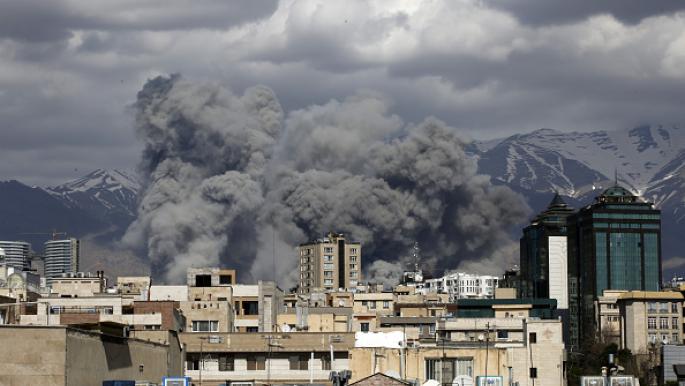
An Israeli military source has informed the newspaper 'Maariv' that the Israeli army is preparing for military operations in both Iran and Lebanon as part of a new strategy aimed at expanding the scope of Israeli attacks. This move comes at a sensitive time, with operations expected to continue beyond Israel's Independence Day scheduled for April 22.
These statements indicate a potential escalation in Israeli-Iranian tensions, as the Israeli army seeks to bolster its military presence in the region. This approach reflects the growing concern in Tel Aviv regarding Iranian activities, particularly those related to its nuclear program and its support for armed groups in Lebanon.
Details of the Operations
According to the military source, the Israeli army plans military operations targeting strategic sites in Iran, in addition to enhancing its capabilities in Lebanon. This escalation comes at a time when fears are increasing regarding the possibility of a comprehensive military conflict in the region, especially amid rising tensions between Israel and Iran.
It is noteworthy that Israel has previously conducted military operations against Iranian targets, but this time it appears there is an intention to expand the scope of operations to include targets outside Tehran, indicating a shift in Israeli military strategy.
Background & Context
Historically, relations between Israel and Iran have been tense, with Israel viewing Iran as an existential threat due to its nuclear program and support for armed groups like Hezbollah. Recent years have seen an escalation in these tensions, particularly following the United States' withdrawal from the nuclear agreement with Iran in 2018.
The situation in Lebanon adds an additional dimension to the tensions, as Hezbollah, supported by Iran, is considered one of the most significant military threats to Israel. The Israeli-Lebanese border has witnessed several clashes in recent years, increasing the likelihood of escalating conflict in the region.
Impact & Consequences
If these military operations are carried out, they could lead to a significant escalation in the conflict between Israel and Iran, potentially dragging the region into a full-scale war. Moreover, any escalation in military operations could affect stability in Lebanon and heighten tensions between armed groups and the Lebanese state.
Furthermore, military escalation could impact Israel's relations with neighboring Arab countries, especially in light of the normalization efforts that have taken place in the region in recent years. Any escalation could lead to a regression in these relations and increase divisions in the region.
Regional Significance
This Israeli military escalation serves as a wake-up call for Arab countries, as it may affect security and stability in the region. Amid rising tensions, Arab nations may find themselves compelled to reassess their security and military strategies.
Additionally, any escalation in the conflict could lead to an influx of refugees and increase humanitarian crises in the region, necessitating urgent action from Arab countries to address these challenges.
In conclusion, the situation in the region remains complex, with overlapping regional and international interests, making it difficult to predict the ramifications of this military escalation. However, developments in Iran and Lebanon will remain under scrutiny, as they may have far-reaching implications for regional security.