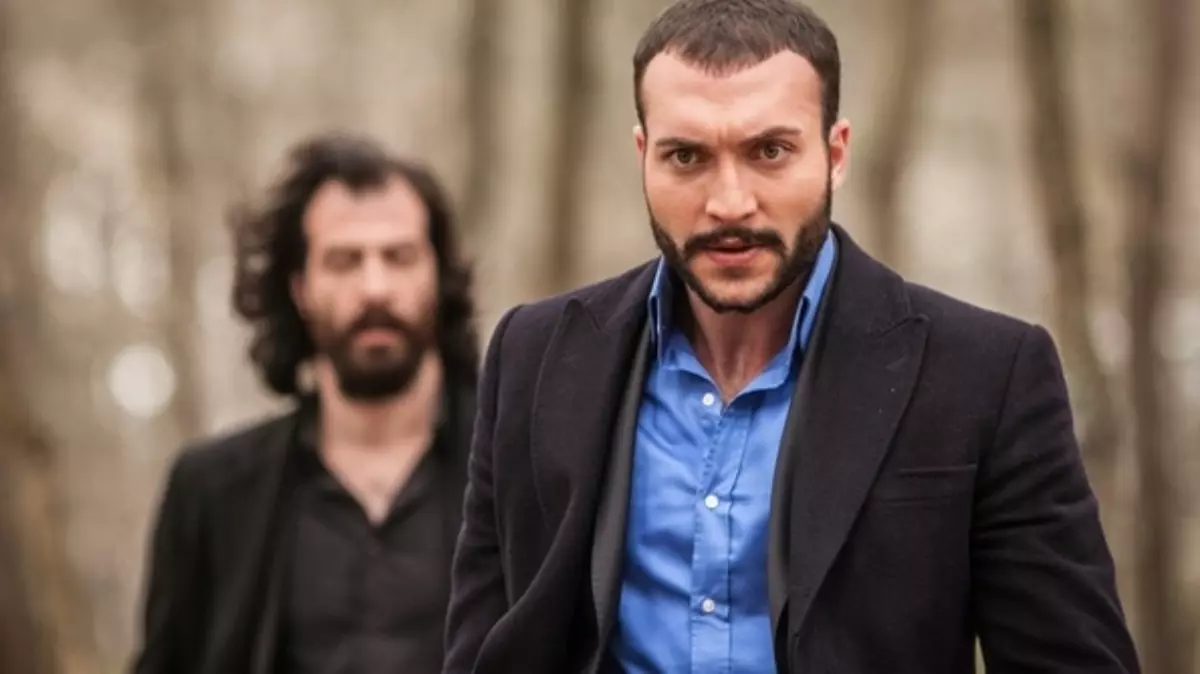
Turkish actor Görkem Sevindik, known for his role as Kadir Baba in the Turkish series "Eşrefpaşalılar," has sparked outrage from Israeli National Security Minister Itamar Ben Gvir. This reaction came after Sevindik posted a statement condemning the law permitting the execution of Palestinian prisoners, which was approved by the Israeli Knesset with a majority of 62 votes against 48.
In a widely circulated video, Ben Gvir lashed out at Sevindik, stating, "You may live in a Turkish series, but we live here in Israel. It’s either us or death for the terrorists." These remarks reflect the sensitivity of the situation in Israel regarding any criticism related to the Palestinian issue, especially under current circumstances.
Details of the Incident
This incident occurs at a time when there are over 9,600 Palestinian prisoners in Israeli jails, including 350 children and 73 women. The execution law has sparked widespread debate both internationally and locally, with many viewing it as a violation of human rights.
Sevindik, who expressed his sympathy for the prisoners, affirmed that his comments were a "purely humanitarian reaction." He noted that the moment emotionally moved him, prompting him to voice his opinion on the law. He also mentioned that calls to boycott his work mean nothing to him, emphasizing that he is "against injustice everywhere."
Background & Context
The issue of Palestinian prisoners is one of the most sensitive topics in the Israeli-Palestinian conflict. In recent years, there has been an escalation in violations against prisoners, making this issue a focal point for many public figures and artists worldwide.
The attack on Sevindik follows a similar backlash against Moroccan football star Hakim Ziyech, who expressed his support for the Palestinian cause. These events indicate that any expression of solidarity with Palestinians may provoke strong reactions from Israeli officials.
Impact & Consequences
This incident illustrates how any expression of support for the Palestinian cause can escalate tensions between artists and Israeli officials. It also reflects the challenges faced by artists trying to express their views on sensitive humanitarian issues.
Such statements could lead to increased international awareness regarding the plight of Palestinian prisoners and may encourage some artists to take clearer stances on the conflict. However, the strong reactions from Israeli officials might deter some artists from voicing their opinions due to fear of repercussions.
Regional Significance
These events serve as a reminder to Arabs about the importance of solidarity with the Palestinian cause and how international support can influence developments. They also reflect the challenges faced by both Arab and international artists in expressing their views on human rights issues.
Ultimately, the issue of Palestinian prisoners remains one of the most complex matters in the Israeli-Palestinian conflict, necessitating further attention and support from the international community.