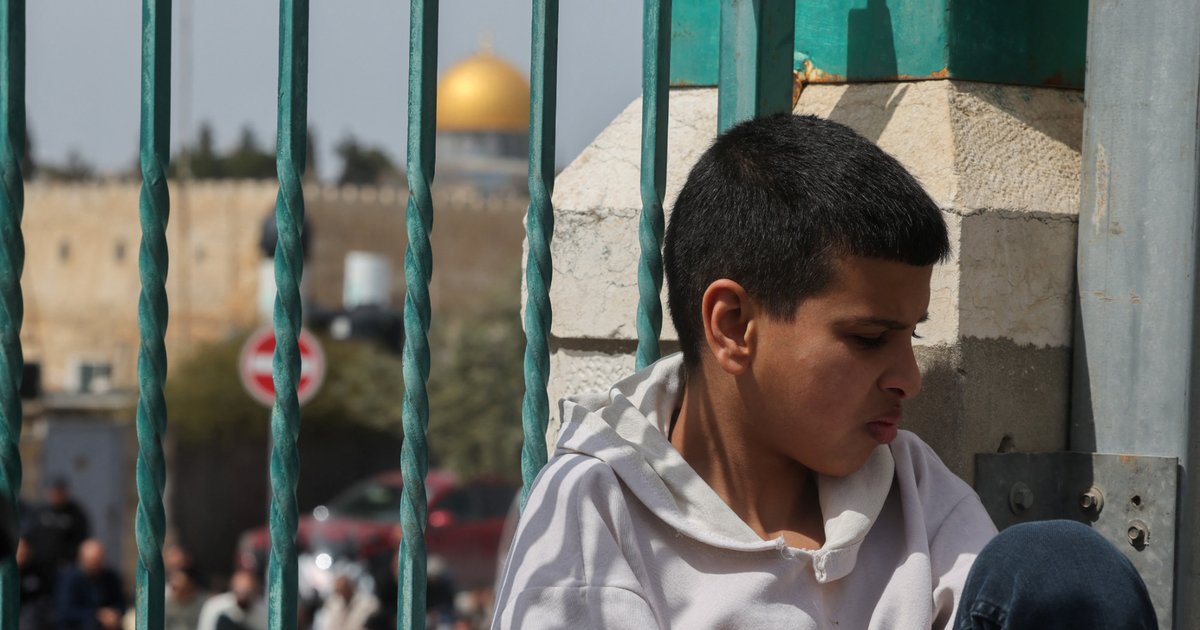
In a controversial move, Israeli National Security Minister Itamar Ben Gvir stormed the Al-Aqsa Mosque in occupied Jerusalem on Monday, while Muslims are still prohibited from entering. This action comes at a time when Israeli authorities are planning to reopen the site to settlers for daily incursions, which has sparked furious reactions from Palestinian bodies that view this as a threat to the religious sanctity of the mosque.
According to Israeli media, the police, under Ben Gvir's supervision, have prepared a plan allowing up to 150 Israelis or Muslims to enter at the same time, which has been met with widespread criticism from Palestinian authorities. The International Jerusalem Foundation reported that this plan deepens the division at the Al-Aqsa Mosque between Muslims and Jews.
Details of the Incursion
The foundation described the incursion as using war as a pretext to transform the Al-Aqsa Mosque into a shared holy site between Jews and Muslims, paving the way for the complete Judaization of the place. It noted that this step would place Ben Gvir in actual control over the mosque's affairs, ignoring the Islamic Waqf in Jerusalem, which retains the recognized administrative authority.
The foundation also considered this action an insult to Arab kings and presidents, who have limited themselves to verbal appeals, making them mere spectators waiting for Ben Gvir's decision regarding one of their holiest sites. It emphasized that this position is unacceptable and that the Islamic nation should not tolerate it.
Background & Context
Ben Gvir's incursion comes at a time when Israeli authorities continue to prevent Muslims from accessing the Al-Aqsa Mosque, one of the holiest sites in Islam, for over a month in an unprecedented closure. The Israeli authorities cite security concerns related to the war on Iran, but Palestinians doubt these claims, especially since large gatherings of Jews have been allowed in other places.
The Palestinian Ministry of Waqf stated that Ben Gvir's incursion into the mosque in the absence of Muslim worshippers poses an extremely dangerous step that threatens the religious and spiritual sanctity of the Al-Aqsa Mosque. The Hamas movement condemned the incursion, indicating that it reflects the deepening arrogance of the occupation and its deliberate targeting of the mosque's sanctity.
Impact & Consequences
The incursion coincides with the police's proposal to reopen the mosque, allowing up to 150 Muslim worshippers or settlers to enter simultaneously. Ben Gvir confirmed his commitment to ensuring justice and preventing discrimination between worshippers wishing to access the Western Wall and the Al-Aqsa Mosque.
Before the war on Iran, settlers were entering the Al-Aqsa Mosque twice daily under heavy police protection, which constitutes a violation of existing arrangements that stipulate that the mosque is an Islamic site managed by Islamic authorities.
Regional Significance
This incident highlights the increasing tensions in the region and its implications for the relationship between Palestinians and Israelis. The ongoing restrictions on Muslim access to the mosque raise concerns about the future of religious coexistence in Jerusalem.
As the situation evolves, it remains crucial for regional and international actors to engage in dialogue to prevent further escalation and to uphold the sanctity of religious sites.