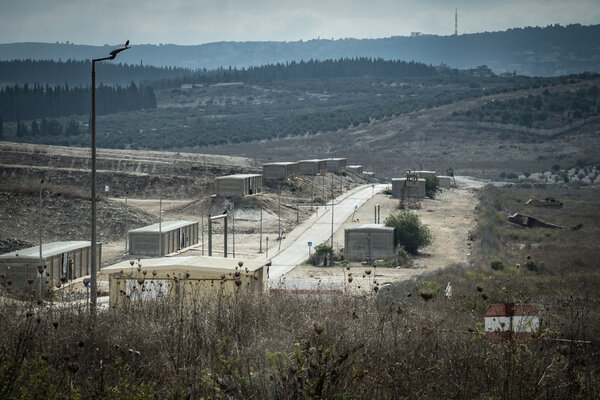
Senior officers in the Israeli army have acknowledged their forces' inability to confront Hezbollah's drone operations, describing the current situation in northern Israel as worse than it was before the outbreak of war. The officers confirmed that Tel Aviv is facing a strategic trap in southern Lebanon, complicating security matters in the region.
In a report published by the newspaper "Israel Hayom," these unnamed officers indicated that the security situation in the north necessitates a reevaluation of Israeli military strategies. They noted that the increasing threats from Hezbollah require an effective response, which the Israeli army currently seems unable to achieve.
Details of the Situation
Concerns are growing in Israel regarding the army's ability to counter the escalating threats from Hezbollah, particularly with the party's increased use of drones in military operations. The officers pointed out that these drones pose a significant challenge, as they can conduct reconnaissance and precise strikes without significant risk.
They also added that the situation in the north demands a swift and effective response, but they acknowledged that the army is struggling to achieve this, raising fears of a potential escalation in the region. Reports have confirmed that Hezbollah has enhanced its military capabilities, making it difficult for Israel to effectively address this threat.
Background & Context
Historically, Hezbollah has posed a significant challenge to the Israeli army, especially during past conflicts such as the Lebanon War in 2006. Since then, the party has evolved considerably, increasing its military arsenal and developing new strategies to counter Israeli threats. This evolution has made it challenging for Israel to maintain its military superiority in the region.
In recent years, tensions along the Lebanese-Israeli border have escalated, with Hezbollah conducting cross-border operations, prompting the Israeli army to bolster its military presence in the area. However, the acknowledgment of incapacity by Israeli officers reflects a significant shift in the military dynamics in the region.
Impact & Consequences
This acknowledgment by Israeli officers could have significant implications for regional stability. With the increasing threats from Hezbollah, Israel may feel compelled to take more drastic measures, potentially leading to an escalation of conflict in the area. This situation could also affect relations between Israel and neighboring countries, especially with rising concerns over escalating violence.
Moreover, the admission of incapacity may impact morale within the Israeli army, leading to negative repercussions on military performance in the future. This situation may also raise concerns among Israeli citizens regarding their personal security, which could affect internal stability.
Regional Significance
Considering the impact of this situation on the Arab region, the acknowledgment of incapacity by the Israeli army may strengthen Hezbollah's position in Lebanon and increase its popularity among other factions. Additionally, this could encourage other armed groups in the region to enhance their military capabilities, further complicating the security situation in the Middle East.
In conclusion, this acknowledgment by Israeli officers reflects the significant challenges facing Tel Aviv in confronting Hezbollah, raising questions about the future of security and stability in the region.