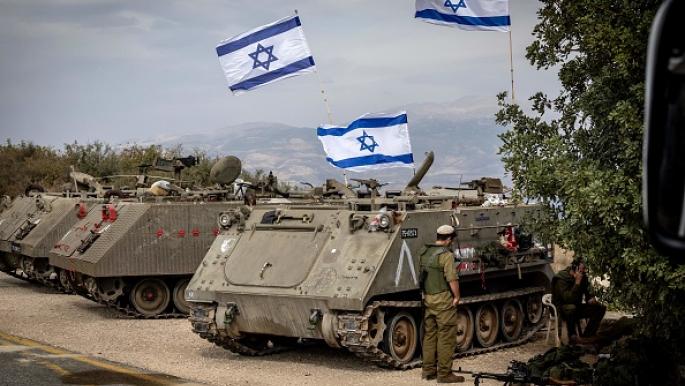
In a move reflecting escalating tensions, several Israeli local leaders in the north have expressed their refusal to halt military operations against Lebanon, warning of serious repercussions that could arise from such a decision.
These statements come at a time when international pressure is mounting to cease hostilities in the region, as Israeli officials believe that continuing military operations is essential for national security.
Details of the Event
Several local officials in northern Israel reported that any decision to stop the aggression against Lebanon would have negative effects on security in the region. They pointed out that security threats remain prevalent and that any retreat from military operations could be perceived as a sign of weakness.
These officials also emphasized the importance of maintaining military pressure on Hezbollah, which they consider a direct threat to their security. These views were expressed during an emergency meeting held in one of the northern cities, where the current security situation was discussed.
Background & Context
Historically, the Israeli-Lebanese border has experienced ongoing tensions, with several rounds of conflict between Israeli forces and Hezbollah. These tensions flare up from time to time, making the situation in the region extremely fragile.
In recent years, the intensity of the conflict has escalated, particularly following an increase in military activities by Hezbollah, which is regarded as one of the most prominent Iran-backed factions. This support enhances the military capabilities of the group, raising Israeli fears of any potential escalation.
Impact & Consequences
The continuation of Israeli military operations in Lebanon could exacerbate the humanitarian situation in the country, where civilian populations are suffering from the effects of the conflict. Additionally, military escalation may open the door to new international interventions, complicating the situation in the region further.
On the other hand, these statements may lead to increased tensions between Israel and its allies in the region, as the ongoing aggression could be viewed as a challenge to diplomatic efforts aimed at achieving peace.
Regional Significance
Events in Lebanon have significant implications for neighboring Arab countries, as they could lead to an influx of refugees and increased regional tensions. Furthermore, the continuation of the conflict may negatively impact stability in the region, raising fears of new conflicts erupting.
In conclusion, the situation in Lebanon and Israel remains complex, with intertwined political and military interests, making it difficult to predict the course of future events.