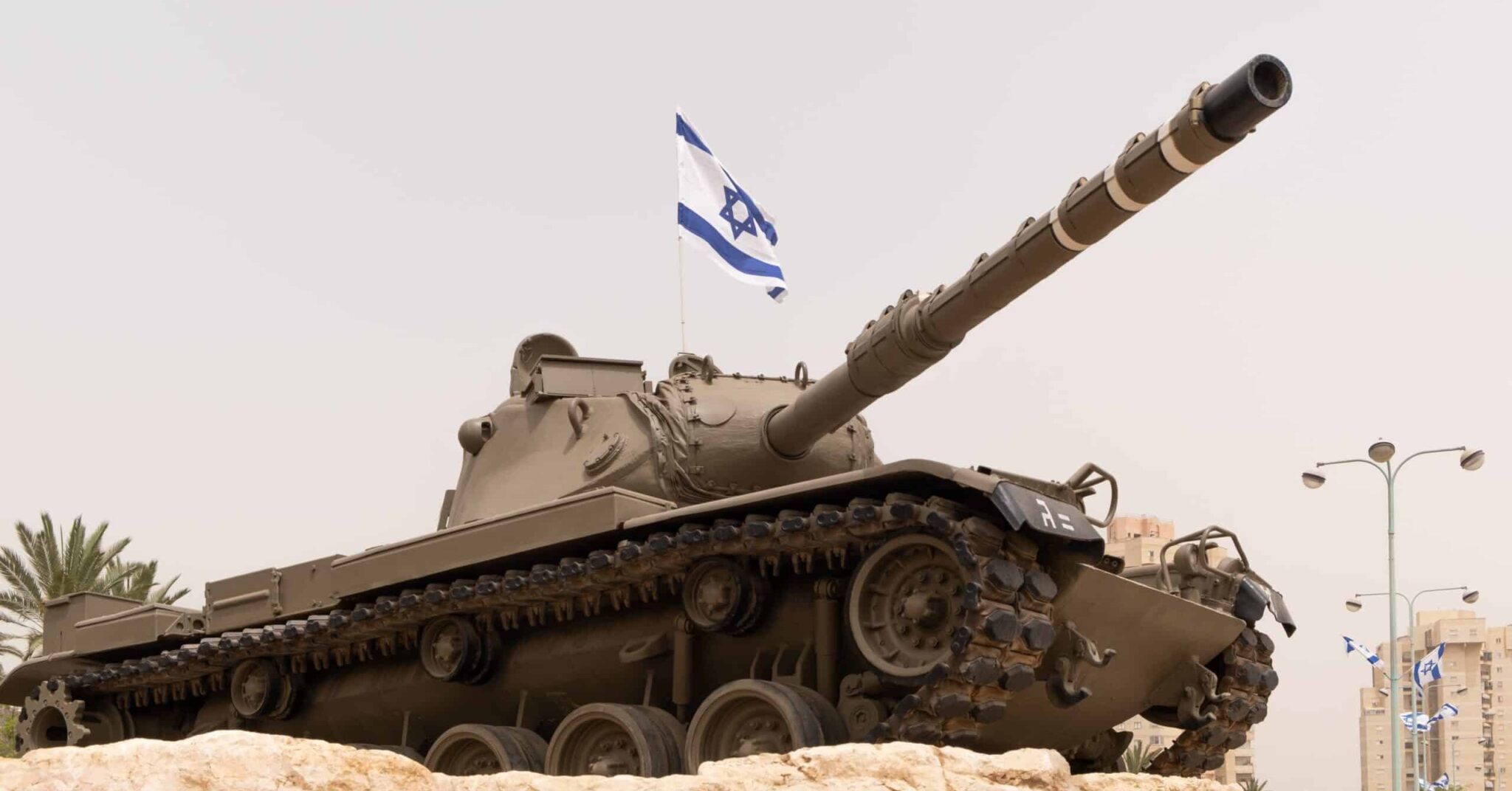
The Israeli parliament (Knesset) voted late Sunday into Monday on the 2026 budget, which saw a massive increase in defense spending amid rising military tensions in the region. Israel and the United States are engaged in a war against Iran, which has expanded to include the Lebanese front.
According to Agence France-Presse, the defense budget is expected to increase by approximately $10 billion, more than double the budget for the year 2023, prior to the outbreak of the Israeli war on the Gaza Strip after October 7, 2023. Since then, Israel's defense spending has not ceased.
Details of the Event
On February 28, Israel and the United States launched a joint attack on Iran, with fighting expanding to the Lebanon front after Hezbollah bombed sites in Israel following the assassination of former Iranian leader Ali Khamenei. On March 15, Israeli media reported that the government approved an emergency allocation of $827 million for purchasing weapons related to the war on Iran, due to the urgent needs arising from the new situation in the Middle East.
This significant increase in defense spending is expected to lead to a 3% reduction in the budgets of all other ministries, including education, health, and social services, raising widespread concerns about the impact of these decisions on vital sectors.
Background & Context
This increase in the defense budget is part of a strategy by the Israeli government led by Prime Minister Benjamin Netanyahu, who relies on support from far-right allies and religious factions close to settlers. In this context, the government has approved a substantial increase in funds allocated exclusively to far-right parties, which will receive more than $715 million as an increase in the budget for the private educational institutions they control.
Despite the significant cuts imposed by the government on civilian budgets, funding for settlements has remained unchanged, according to a report by the Israeli movement "Peace Now," which described these measures as "an outright theft of public funds for the benefit of a small group within the government base."
Impact & Consequences
This budget indicates a significant shift in the priorities of the Israeli government, as more funds are allocated to the military sector at the expense of social sectors. This could exacerbate social and economic conditions in Israel, especially amid increasing needs in health and education.
Moreover, these policies may lead to increased social polarization, as citizens feel that the government prefers spending on security over their welfare. This budget is expected to provoke strong reactions from opposition parties and civil society, which may organize protests against these policies.
Regional Significance
The repercussions of this budget extend beyond Israel's borders, as it could directly affect regional stability. The increase in military spending may heighten tensions in the region, especially amid ongoing conflicts in Lebanon and Palestine. Additionally, military escalation could lead to intensified military operations by armed factions in the area, complicating security situations further.
In conclusion, the Israeli 2026 budget reflects the current government's inclination towards enhancing military capabilities at the expense of social issues, raising questions about the future of internal and regional stability.