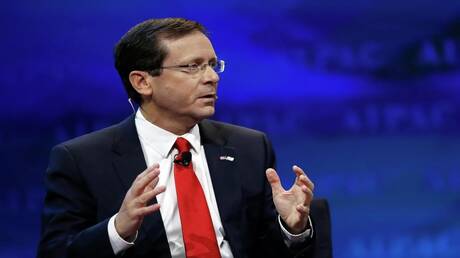
Israeli President Isaac Herzog expressed deep regret over the ban on the Latin Patriarch of Jerusalem, Archbishop Pierre Batista Pizzaballa, from entering the Holy Sepulchre. Herzog clarified that this decision was made due to security concerns regarding potential Iranian missile threats that could target the holy city.
The Holy Sepulchre is considered one of the most significant religious sites in Christianity, believed to be the burial and resurrection site of Christ. For years, Jerusalem has witnessed increasing tensions among various religious sects, complicating the security situation in the city.
Details of the Incident
In his statements, Herzog noted that the decision to ban the patriarch came after thorough security assessments, which indicated potential threats from Iran. He emphasized that this step aims to protect the city and its residents, despite it causing widespread discontent among Christian communities.
For his part, Archbishop Pizzaballa expressed his disappointment with this decision, stating that it represents a violation of religious freedom. He also affirmed his commitment to continue working towards enhancing interfaith dialogue and alleviating tensions in the region.
Background & Context
Historically, Jerusalem has witnessed numerous religious and political conflicts, as the city is sacred to Muslims, Christians, and Jews alike. In recent years, tensions have escalated due to Israeli policies in the city, including settlement expansion and restrictions on religious freedom.
Iran is considered a key player in the regional conflict, supporting armed groups in the area, which heightens security concerns in Israel. These dynamics have led to rising tensions between Israel and Iran, reflecting on the situation in Jerusalem.
Impact & Consequences
This decision is expected to have negative repercussions on the relationships between Christian sects in Jerusalem, potentially exacerbating negative sentiments towards Israeli authorities. It may also impact religious tourism, which is a significant source of income for the city.
Moreover, this decision could escalate tensions between Israel and Iran, as Tehran may exploit this incident to reinforce its narrative regarding human rights violations in the Palestinian territories. Consequently, the situation in Jerusalem may become more complicated in the near future.
Regional Significance
This incident represents a part of the larger picture of the Israeli-Palestinian conflict, as Arabs and Muslims across the region closely monitor developments in Jerusalem with concern. The ban on the Latin Patriarch from entering the Holy Sepulchre may reflect the challenges faced by religious minorities in the region and amplify calls for the protection of their rights.
Additionally, this event may shed light on the importance of interfaith dialogue, especially under current circumstances that necessitate fostering tolerance and understanding among various sects. Strengthening interfaith relations could be key to achieving peace and stability in the region.
In conclusion, the situation in Jerusalem remains complex, with religion and politics deeply intertwined. Recent events indicate the necessity of seeking peaceful solutions that promote the rights of all religions and ensure freedom of worship in the holy city.