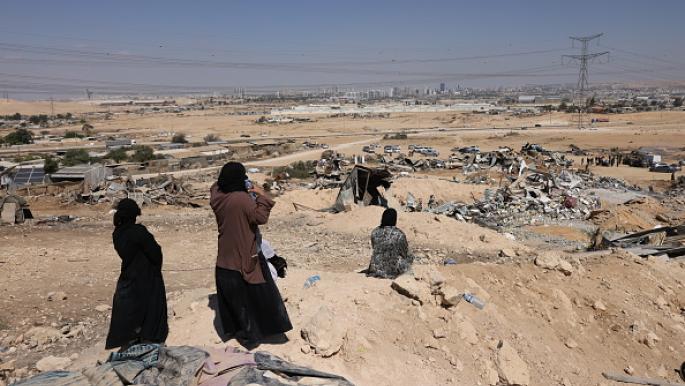
An Israeli state auditor report by Matanyahu Engelman, published this Tuesday evening, reveals a troubling state of lost control and absence of governance in the Negev region. The report indicates that the phenomenon of polygamy in the area is one of the most significant challenges facing Israeli authorities, raising fears about its social and political repercussions.
The Negev region is considered one of the most diverse areas in Israel, inhabited by various Bedouin tribes that adhere to their customs and traditions. However, the social and economic changes witnessed in the region in recent years have exacerbated this phenomenon, prompting authorities to warn of its consequences.
Event Details
The report states that polygamy in the Negev has contributed to the spread of negative phenomena such as poverty and unemployment, with many families facing increasing economic difficulties. It also notes that this phenomenon affects education and public health, complicating the social situation in the region.
The report emphasizes the urgent need for immediate action to address this issue, stressing the importance of enhancing local governance and providing social support to affected families. It clarifies that the absence of governance in the Negev has led to the spread of chaos, necessitating urgent government intervention.
Background & Context
Historically, the Negev region has suffered from marginalization and neglect by Israeli authorities, receiving insufficient support in education, health, and infrastructure. With the increasing Bedouin population in the area, there is an urgent need to develop effective strategies to address social and economic challenges.
Polygamy is part of Bedouin culture, but it has become a widely debated topic today. Some view it as a reflection of ancient traditions, while others see it as an obstacle to social and economic progress.
Impact & Consequences
Reports indicate that the continuation of this phenomenon could exacerbate social crises in the Negev, potentially affecting security stability in the region. Furthermore, the absence of governance may allow extremist groups to exploit the situation for their benefit, increasing tensions within the community.
Moreover, the repercussions of this phenomenon could extend to other areas in Israel, potentially impacting relationships between different communities, highlighting the need for dialogue and understanding among all parties involved.
Regional Significance
The issue of polygamy in the Negev exemplifies the social challenges facing Arab communities in various countries. This phenomenon reflects the conflicts between tradition and modernity, necessitating innovative solutions that balance cultural identity preservation with contemporary demands.
This issue also underscores the importance of fostering dialogue among different communities in the region, as it could contribute to building more stable and cooperative relationships in the future.