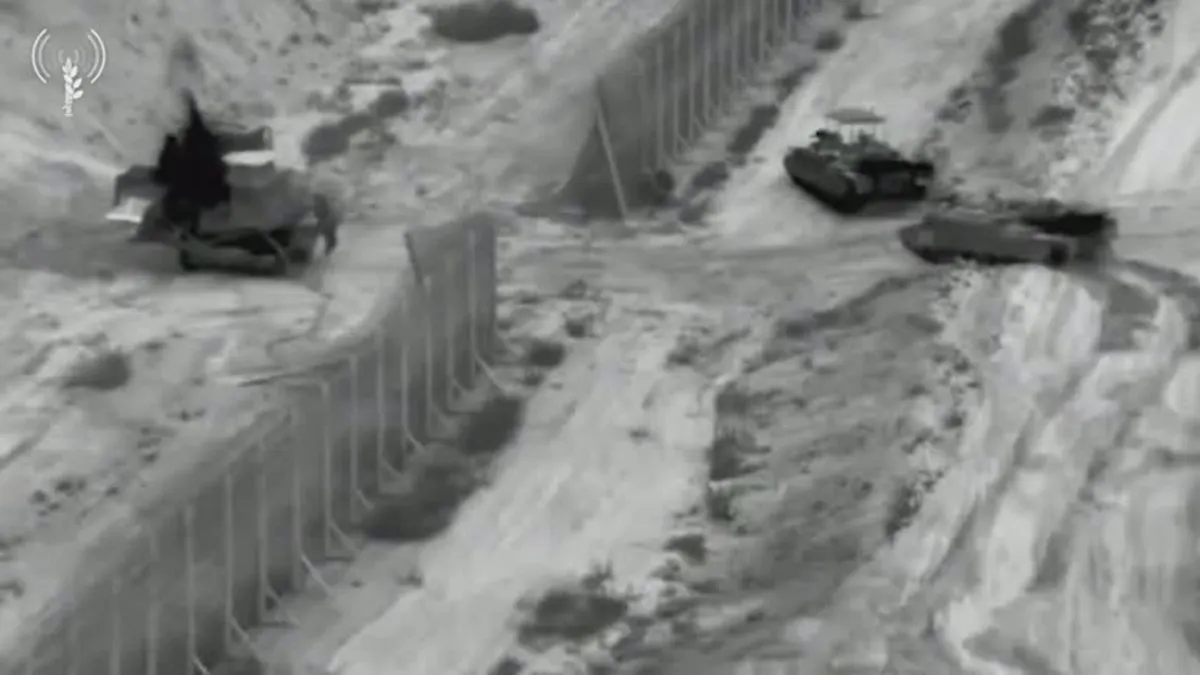
On Tuesday, the Israeli occupation army continued its violations of the ceasefire agreement in Gaza, targeting areas in the central and southern regions. The city of Khan Younis witnessed an escalation in shelling, along with gunfire from naval vessels aimed at fishermen in the territorial waters.
According to eyewitnesses, Israeli tanks and military vehicles opened fire heavily in areas south of Khan Younis, causing panic among the residents. They also reported that Israeli naval boats fired at fishermen who were conducting their activities off the coast of the city, threatening their livelihoods and exacerbating their suffering amid difficult economic conditions.
Details of the Incident
These violations come at a sensitive time, as the ceasefire agreement was expected to help ease tensions in the region. However, the Israeli military escalation reflects the continued policy of force adopted by the occupation, further complicating the humanitarian situation in Gaza. In recent days, several similar incidents have occurred, raising concerns about the potential for renewed hostilities at any moment.
On the other hand, humanitarian organizations continue to warn of the worsening humanitarian conditions in Gaza, where residents suffer from severe shortages of essential supplies and health services. These violations are considered part of the occupation's policy aimed at pressuring the Palestinians in the enclave.
Background & Context
Historically, Gaza has witnessed numerous military escalations between the Israeli occupation and Palestinian factions, making the enclave a constant flashpoint in the Israeli-Palestinian conflict. Several ceasefire agreements have been reached in the past, but violations by the occupation have always disrupted these agreements.
It is worth noting that the situation in Gaza has significantly deteriorated since the onset of the Israeli blockade in 2007, leading to a decline in economic and social conditions. More than 80% of the enclave's residents live in poverty and rely on humanitarian aid to survive.
Impact & Consequences
These events underscore that the situation in Gaza remains fragile, and any military escalation could have dire consequences for civilians. Furthermore, the continued Israeli violations may fuel feelings of anger and resentment among Palestinians, potentially leading to new waves of violence.
Moreover, these violations could negatively impact peace efforts in the region, hindering any attempts to reach a comprehensive solution to the conflict. The Israeli military escalation towards Gaza reflects a lack of commitment to international agreements that call for the protection of civilians and their security.
Regional Significance
The situation in Gaza is a central issue in the Arab-Israeli conflict, directly affecting relations between Arab states and Israel. As Israeli violations escalate, pressures mount on Arab governments to intervene and raise their voices against these practices.
Additionally, the ongoing tense situation in Gaza could affect regional stability, potentially leading to an influx of refugees into neighboring countries, increasing the pressures on these nations. Thus, the situation in Gaza is not merely a Palestinian issue but one that concerns all Arab states.
In conclusion, the situation in Gaza remains under scrutiny, as everyone hopes for a lasting peace that guarantees the rights of Palestinians and halts Israeli violations. The continuation of military escalation will only exacerbate humanitarian conditions, necessitating urgent international action to protect civilians in the enclave.