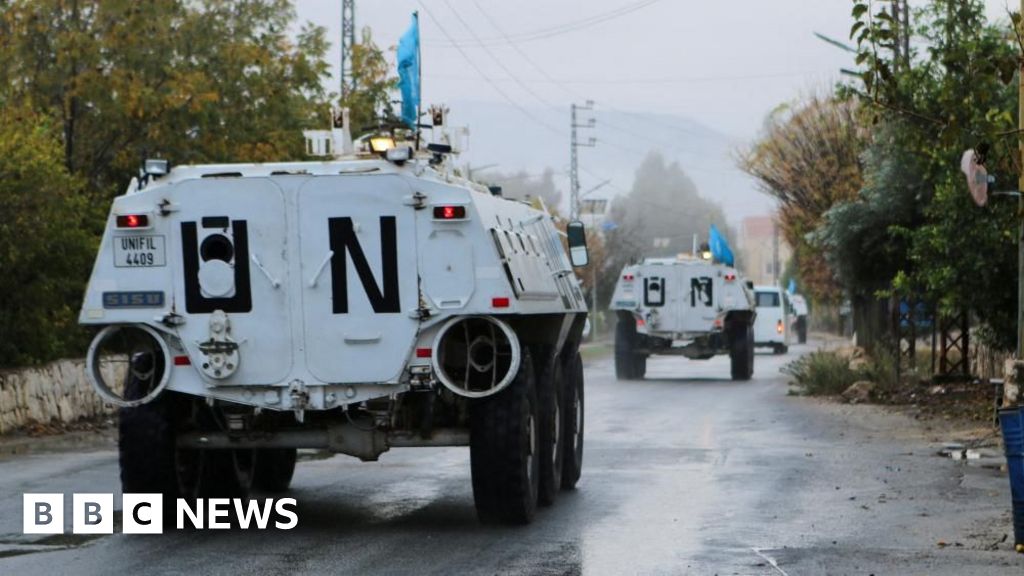
The United Nations has announced the death of a peacekeeper in Lebanon as a result of artillery shelling by the Israeli army. The incident occurred on March 29, 2026, with UN spokesperson Stephane Dujarric confirming that the shell responsible for the soldier's death was a 122 mm round fired from Israeli Merkava tanks.
This incident comes amid rising tensions between Israel and Hezbollah, with the region experiencing a series of clashes and military operations since early March. The location of the incident was identified as one of the UN's known sites, referred to as 7-1, where shell fragments were found.
Details of the Incident
The following day, March 30, another incident occurred, resulting in the deaths of two additional peacekeepers when an improvised explosive device detonated near their vehicle. This device is believed to have been planted by elements of Hezbollah, further complicating the security situation in the area.
It is noteworthy that the escalation between Israel and Hezbollah began on March 2, when the Lebanese party launched rockets into Israeli territory in response to US and Israeli military attacks against Iran, leading to significant military escalation in the region.
Background & Context
Historically, southern Lebanon has witnessed ongoing tensions between Israel and Hezbollah, especially following the 2006 war. Since then, UN peacekeeping forces have been deployed in the area to monitor the borders and prevent escalation. However, these forces face significant challenges amid ongoing armed conflicts.
In recent years, military activities in the region have increased, as Israel seeks to counter potential threats from Hezbollah, while the party aims to strengthen its influence in Lebanon. This situation reflects broader regional tensions among major powers in the Middle East.
Impact & Consequences
The death of peacekeepers underscores the significant risks these forces face in conflict zones. Continued escalation could have negative repercussions for regional security and complicate peace efforts in the area. Moreover, these incidents may influence the international community's stance on the Lebanese-Israeli conflict.
This escalation is likely to increase pressure on the United Nations to provide more support to peacekeeping forces and enhance their capabilities to address rising threats. Additionally, these events may affect relations between Israel and Arab states, particularly amid ongoing peace efforts.
Regional Significance
The recent events in Lebanon signal increasing tensions in the region, which could impact security and stability in neighboring countries. The escalation of conflict between Israel and Hezbollah may lead to greater escalation in regional conflicts, threatening Arab interests more broadly.
In light of these circumstances, Arab states must adopt effective strategies to address these tensions and enhance regional cooperation to tackle security challenges. Maintaining peace and stability in the region requires coordinated efforts among Arab nations and the international community.