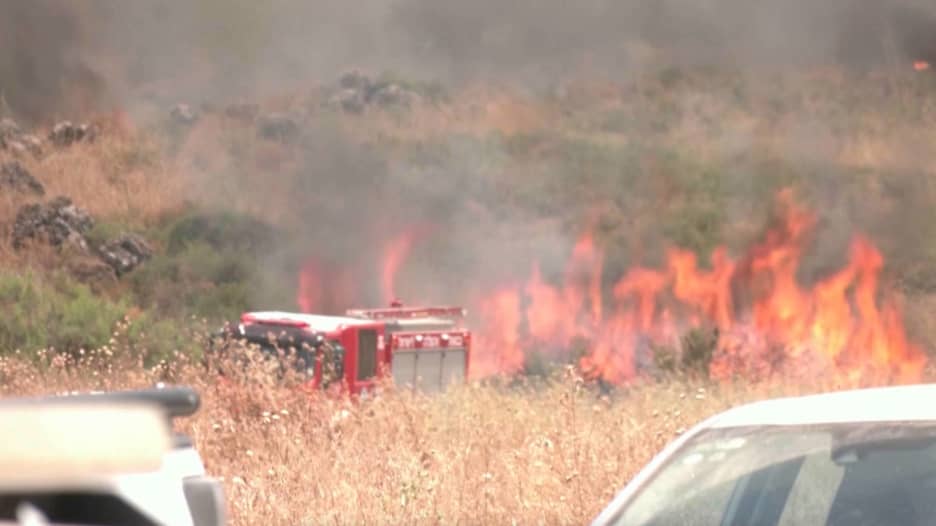
The Israeli army announced that a soldier was seriously injured due to a rocket attack that targeted its forces in the southern Lebanon region. The incident occurred late last night, raising fears of escalating tensions in the border area.
This incident comes amid increasing clashes between Israeli forces and Hezbollah, with both sides exchanging accusations of escalation. The Israeli army indicated that the shelling originated from areas controlled by Hezbollah, complicating the security situation in the region.
Details of the Incident
In detail, the Israeli army reported that the injured soldier was transported to a hospital for treatment, where his condition was described as serious. The army also noted that Israeli forces retaliated to the shelling, leading to an exchange of fire between both sides. This incident occurs at a sensitive time, as there have been warnings of escalating violence in the area.
It is worth noting that the Lebanese-Israeli border has witnessed numerous similar incidents in recent years, as tensions rise due to military activities from both sides. Israeli authorities have issued warnings to citizens in border areas, urging them to exercise caution.
Background & Context
Historically, the Lebanese-Israeli border has been the scene of many armed conflicts, especially since the Lebanon War in 2006. Since then, the region has experienced recurring tensions, with Hezbollah seeking to strengthen its influence in southern Lebanon while Israel continues to bolster its military presence along the border.
In recent years, Hezbollah's military activities have increased, including launching rockets into Israeli territory, prompting military responses from the Israeli army. This dynamic reflects a state of ongoing instability in the region, where relations between Lebanon and Israel remain tense.
Impact & Consequences
The repercussions of this incident extend beyond the military aspect, as it could affect political relations between Lebanon and Israel. Should clashes escalate, this may lead to international interventions, particularly from the United States or the United Nations, which seek to calm the situation.
Additionally, these events may impact the security situation in Lebanon, potentially exacerbating internal divisions among various political forces. The military escalation could also affect Lebanon's economic situation, which is already suffering from multiple crises.
Regional Significance
This incident serves as an indicator of rising tensions in the region, where armed conflicts threaten stability in neighboring countries. Moreover, events in Lebanon could influence the situation in Syria, where security conditions remain unstable.
At the same time, other Arab countries are closely monitoring the situation, as any escalation in the conflict could affect regional relations. The stability of Lebanon is vital for many Arab nations, which hope to achieve peace and security in the region.
In conclusion, the situation along the Lebanese-Israeli border remains tense, with the potential for events to escalate at any moment. The current situation requires international community intervention to ensure that conditions do not worsen and to work towards achieving lasting peace in the region.