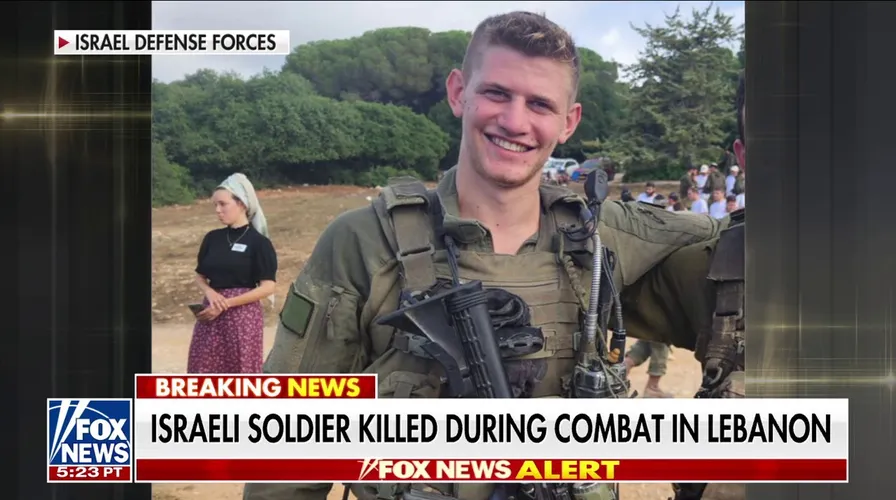
Israeli media reports indicate that an Israeli soldier was killed and several others were injured during battles that erupted in southern Lebanon. These events occur at a sensitive time when the region is experiencing a surge in military and political tensions.
Concerns are rising over the escalation of violence in the area, as clashes between Israeli forces and Hezbollah continue. Reports have shown that the confrontations have resulted in injuries among Israeli soldiers, raising alarms about the security situation along the Lebanese-Israeli border.
Details of the Incident
According to sources, the fighting broke out following an attempt by Israeli forces to conduct military operations in the border area. Hezbollah responded fiercely, leading to heavy exchanges of gunfire. While precise details regarding the number of injured or the condition of the deceased soldier have not been disclosed, reports indicate that the situation remains tense.
These events follow a series of hostile statements from both sides, with Israel accusing Hezbollah of threatening its national security, while the party reaffirmed its right to defend Lebanese territory. These statements reflect a growing polarization in the region.
Background & Context
Historically, the Lebanese-Israeli border has seen ongoing tensions, especially since the 2006 war. Over the years, there have been several clashes between Israeli forces and Hezbollah, resulting in loss of life and property destruction. These events highlight the persistent conflict in the region, which has deep historical roots.
These clashes are part of a broader conflict in the Middle East, where regional and international interests intersect. The situation in Syria and the Iranian presence in the area are all factors influencing the security dynamics in Lebanon and Israel.
Impact & Consequences
These clashes are likely to lead to a greater escalation of violence, which could negatively impact regional security. The death of an Israeli soldier may provoke strong reactions from the Israeli government, increasing the likelihood of broader military operations in Lebanon.
The military escalation could also affect relations between Lebanon and Western countries, as the Lebanese government may face increased pressure to control Hezbollah. This situation could complicate the political landscape in Lebanon, which is already grappling with economic and political crises.
Regional Significance
These events serve as an indicator of the ongoing tensions in the Middle East, where many countries are suffering from internal and external conflicts. The escalation between Israel and Hezbollah could impact regional security, raising concerns in neighboring countries.
Furthermore, these events may affect the course of peace negotiations in the region, as escalation could hinder efforts to achieve peace. Concerned Arab countries may find themselves compelled to intervene or mediate in the conflict, further complicating the situation.
In conclusion, the situation in southern Lebanon remains tense, and the international community must closely monitor developments. The military escalation could have far-reaching consequences, necessitating urgent steps to avoid further violence.