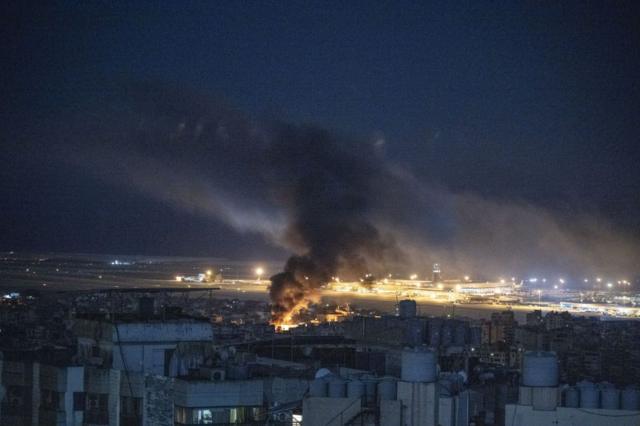
Despite the stern warnings issued by the Chief of Staff of the Israeli army, General Herzi Halevi, regarding the involvement of some soldiers in looting activities in southern Lebanon, media reports indicate that this phenomenon persists. Several reports have documented instances of Israeli soldiers engaging in theft and looting of private property from civilians, raising questions about the army's ability to control the behavior of its personnel amidst the tense situation.
There are growing concerns that these actions may negatively impact the image of the Israeli army, which has long considered itself a model of military and ethical values. As tensions in the region escalate, it appears that some soldiers have lost control over their behaviors, reflecting greater challenges faced by military leadership in maintaining discipline.
Details of the Incident
In recent days, several cases of looting have been documented in various areas of southern Lebanon, where reports indicate that Israeli soldiers have stolen private property from civilians. These actions come at a highly sensitive time, as tensions between Israel and Hezbollah are rising, complicating the security situation in the region.
The warnings issued by Halevi were part of the Israeli army's efforts to curb these behaviors, emphasizing the importance of upholding ethical values during military operations. However, it seems that these efforts have not been sufficient to rein in some soldiers who continue to engage in such actions.
Background & Context
Historically, relations between Israel and Lebanon have been marked by ongoing tensions, especially following the multiple wars that have occurred in the region. With the current conflict escalating, the Israeli army faces significant challenges in managing the behaviors of its soldiers, particularly in areas experiencing active military operations.
These events are part of a larger picture concerning the Israeli-Lebanese conflict, where military dimensions intersect with humanitarian aspects, complicating the landscape further. Such incidents have contributed to deepening divisions between communities, raising concerns about the future of relations between the two sides.
Impact & Consequences
The repercussions of these events extend beyond the military scope, affecting the overall relations between Israel and Lebanon. With the continuation of these behaviors, peace and stability efforts in the region may be jeopardized, increasing the likelihood of military escalation.
Additionally, these actions may exacerbate feelings of hatred and animosity between communities, reinforcing existing divisions. This poses a threat to regional security, as such tensions could lead to a larger escalation of the conflict.
Regional Significance
These events serve as a wake-up call for neighboring Arab countries, highlighting the need to strengthen security cooperation and coordination among nations to address common challenges. As tensions in the region rise, it becomes crucial for Arab states to adopt effective strategies to deal with security crises.
Moreover, these incidents may influence Arab public opinion, potentially leading to increased support for Palestinian and Lebanese causes, reflecting the need to bolster Arab solidarity in facing shared challenges.
In conclusion, these events underscore the urgent need to address humanitarian and ethical issues in military conflicts, requiring all parties to work towards achieving peace and stability in the region.