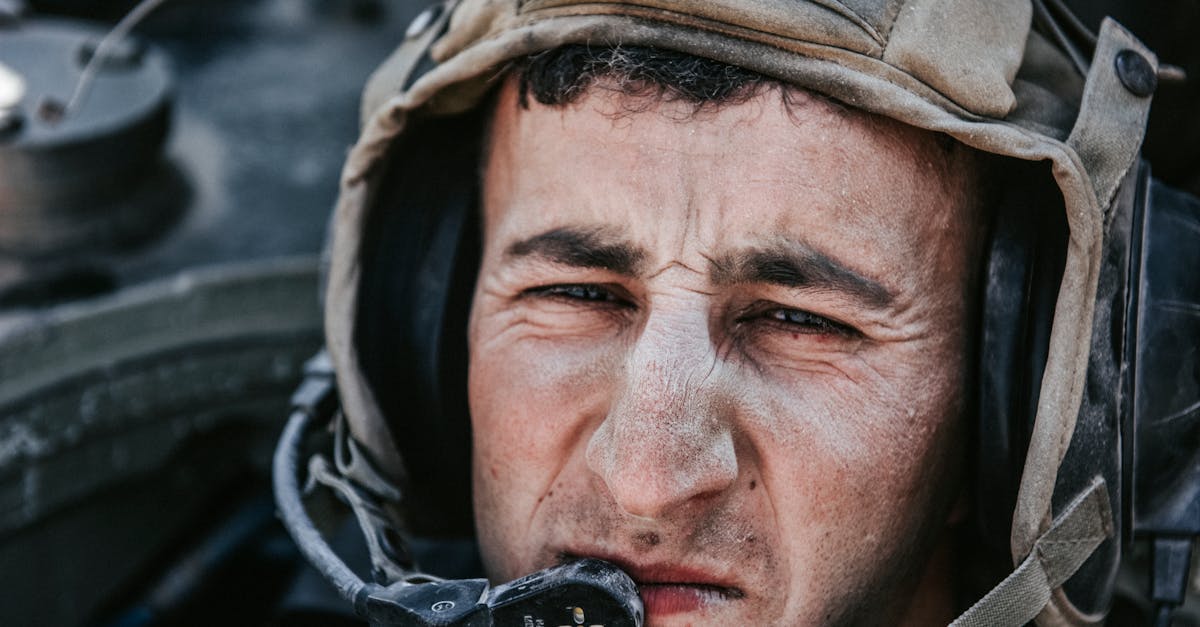
Israeli sources report that several soldiers have been killed or injured during clashes in southern Lebanon in recent hours, highlighting escalating tensions in the region. This development comes amid increasing border skirmishes, raising concerns of a larger conflict.
Reports continue to emerge regarding the clashes that led to these casualties, with preliminary information indicating that the fighting was a result of reciprocal military operations between Israeli forces and armed groups in southern Lebanon. These events are part of a series of tensions that have recently been witnessed along the Lebanese-Israeli border.
Details of the Incident
Reports indicate that the fighting erupted in areas close to the border, where heavy weapons were used. Images circulated on social media show the devastation in the affected areas, reflecting the intensity of the clashes. Sources also reported that the number of casualties remains unconfirmed, as military operations continue.
This escalation comes amid increasing tensions between Israel and Hezbollah, which is considered one of the key players in southern Lebanon. Many observers have warned that these clashes could lead to a larger escalation, especially given the complex political situation in the region.
Background & Context
Historically, the Lebanese-Israeli border has witnessed numerous armed conflicts, particularly since the 2006 war. Tensions between the two sides have persisted due to multiple issues, including territorial disputes and repeated incursions. Additionally, the political situation in Lebanon, including economic and political crises, complicates the landscape further.
These clashes are part of a broader conflict in the region, where regional and international interests intersect. In recent years, there has been an increase in military activities along the border, reflecting ongoing instability in the area.
Impact & Consequences
These events serve as a wake-up call for the international community, indicating the potential for escalating conflict in the region. Casualties among Israeli soldiers could lead to greater military responses, threatening the outbreak of a full-scale war.
Moreover, these clashes may affect the security situation in Lebanon, potentially leading to increased internal tensions. It may require international intervention to mitigate escalation and ensure regional stability.
Regional Significance
The events in southern Lebanon are particularly significant for Arab countries, as they reflect the security challenges facing the region. These clashes could have negative repercussions on relations between Arab nations and Israel, complicating peace efforts.
In light of these circumstances, Arab countries must closely monitor the situation and work to enhance their diplomatic efforts to avoid escalating the conflict. Stability in Lebanon directly impacts regional security, making it essential to address the outstanding issues among the concerned parties.
In conclusion, the events in southern Lebanon remain a focal point of interest, as everyone looks forward to learning more details about the upcoming developments. The current situation requires wisdom and patience from all parties involved to avoid further escalation.