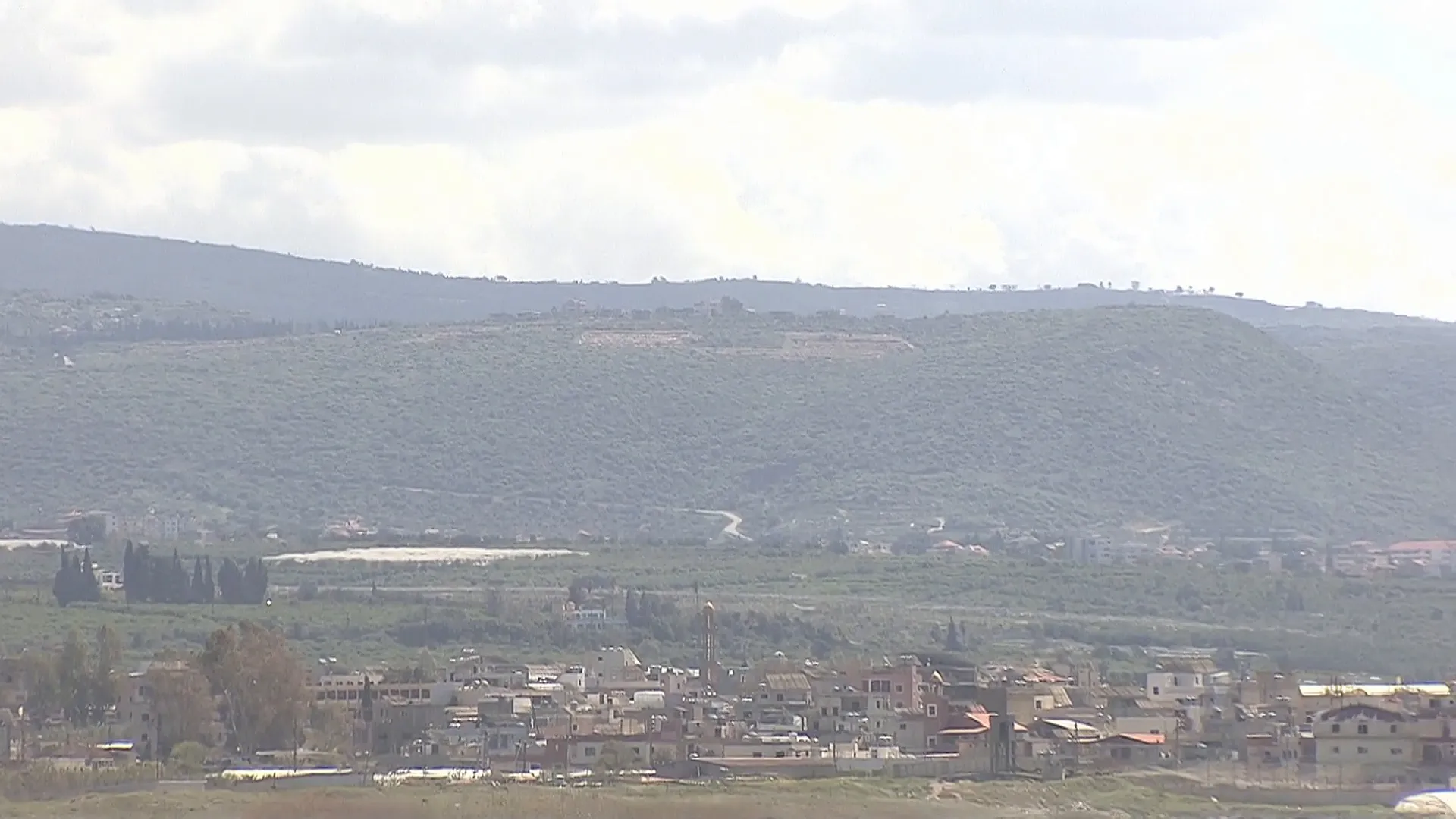
Concerns are rising in Lebanon following the recent statements by Israeli Defense Minister Israel Katz, indicating Israel's intention to expand its control over Lebanese territories, reminiscent of the Litani Operation that occurred in 1978. Katz announced plans to establish a buffer zone in southern Lebanon, asserting that control would extend to the Litani River, threatening the displacement of 600,000 residents in the area.
At the conclusion of a security session, Katz threatened to destroy homes in villages near the border, confirming that the occupying army would remain in the area up to the Litani River. These statements have raised significant concern among Lebanese citizens, who fear a repeat of the Israeli invasion that took place 45 years ago.
Details of the Event
During his remarks, Katz indicated that the Israeli army would work to secure the area until the safety of residents in northern Israel is guaranteed. These statements come at a sensitive time, as Israel continues to carry out airstrikes on several towns in southern Lebanon, escalating tensions in the region.
The director of Al Jazeera's office in Lebanon, Mazen Ibrahim, clarified that the Israeli occupation in 1978 managed to control approximately 900 square kilometers in southern Lebanon, leading to the issuance of international resolutions 425 and 426, which established UNIFIL forces. The occupation subsequently retreated but established what is known as the border strip, which lasted until 2000.
Context and Background
The Litani Operation was the first of the Israeli wars against Palestinian resistance, launched by Israel in March 1978 in response to the “Operation Kamel Adwan”. The goal of this operation was to eliminate Palestinian resistance in southern Lebanon and establish a buffer zone. With the current tensions escalating, Lebanese citizens fear that 10% of the country's area could turn into an occupied zone, aligning with the statements made by Katz and Netanyahu.
Earlier, Channel 14 in Israel revealed plans to expand the Israeli military presence within Lebanese territories, including at least 8 kilometers beyond the international border. This potential expansion poses a direct threat to Lebanese sovereignty.
Impact and Consequences
The Israeli statements are causing significant concern in Lebanon, where researcher on Israeli affairs Mohammad Al-Qiq believes these remarks indicate a new military equation in the region, unrelated to developments in the war with Iran. This equation falls within what Israel calls a process of changing the Middle East.
The Israeli army has conducted airstrikes on several areas in southern Lebanon and issued evacuation warnings to residents of 6 villages in the Bekaa Valley, reflecting an unprecedented escalation in military operations. These warnings raise fears of a larger escalation that could lead to a new armed conflict in the region.
Impact on the Arab Region
The repercussions of these statements extend beyond Lebanese borders, raising concerns among other Arab countries suffering from similar conflicts. The Israeli military escalation could exacerbate conditions in the region and heighten tensions between Arab nations and Israel.
In conclusion, the situation in Lebanon remains sensitive and requires close monitoring by the international community. The recent Israeli statements could mark the beginning of a new phase in the conflict, necessitating an urgent response from the concerned parties.