Israeli strikes in southern Lebanon have exceeded direct military targets, where civilian institutions that are supposed to be neutral under international laws, such as hospitals and journalists, have been targeted, raising international concerns over humanitarian law violations.
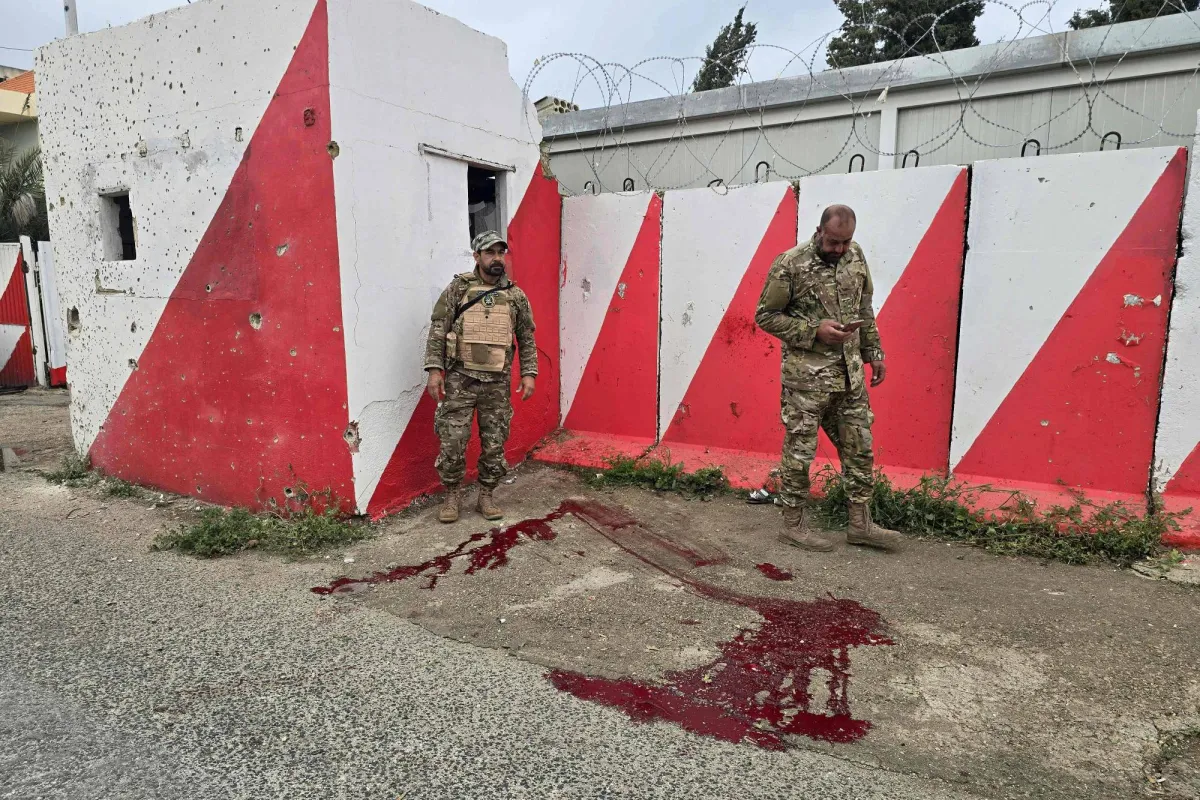
In an unprecedented shift in the rules of engagement, the Lebanese Army Command announced that an Israeli attack targeted a military checkpoint in the town of Al-Amariyah, resulting in the martyrdom of one soldier and injuries to others. This attack comes amid a rise in Israeli targeting of the Lebanese Army, raising questions about the true objectives behind these operations.
Details of the Incident
In an official statement, the Lebanese Army Command reported that the assault on the Al-Amariyah checkpoint was part of a series of attacks targeting the Lebanese Army, which are considered intimidation messages aimed at pushing the army away from areas Israel intends to advance towards. Ministerial sources confirmed that these attacks are not the first of their kind, reflecting a clear Israeli intention to expand its military operations.
The United Nations Interim Force in Lebanon (UNIFIL) also came under Israeli attack, resulting in the death of a peacekeeper and serious injuries to another due to an explosion at a UNIFIL site near Adchit al-Qusayr. UNIFIL has initiated an investigation to determine the circumstances of the incident, noting that deliberate attacks on peacekeepers constitute serious violations of international humanitarian law.
Background & Context
These developments come at a time when southern Lebanon is witnessing escalating military tensions, as Israel continues its military operations in the region. Retired Brigadier General Hassan Jouni pointed out that these operations reflect an Israeli intention to escalate the fighting, targeting elements of the Lebanese Army and UNIFIL, which threatens the stability of the entire region.
In a related context, Israeli warplanes targeted the Civil Defense Center affiliated with the Islamic Health Authority in the town of Al-Mansouri, resulting in injuries. The Lebanese Ministry of Health condemned these assaults, indicating that they represent a blatant violation of international humanitarian law.
Impact & Consequences
These assaults raise questions about the future of security in Lebanon, as these attacks represent a serious escalation that could exacerbate the humanitarian situation in the region. Observers fear that these operations could lead to the outbreak of a wider conflict, especially in light of the internal political division in Lebanon.
The targeting of journalists in the south, which resulted in the death of four individuals including media personnel, highlights the risks faced by the media in conflict areas. Israel justified these attacks by claiming that the targets were linked to Hezbollah, raising debates about the legitimacy of these operations.
Regional Significance
These developments serve as a wake-up call for Arab countries, reflecting the rising military tensions in the region. The continued Israeli assaults on civilian institutions could exacerbate the humanitarian situation, necessitating international intervention to protect civilians and ensure respect for international laws.
In conclusion, the situation in southern Lebanon remains under the world's watch, as the current state requires urgent action from the international community to put an end to these violations and ensure the safety of civilians.