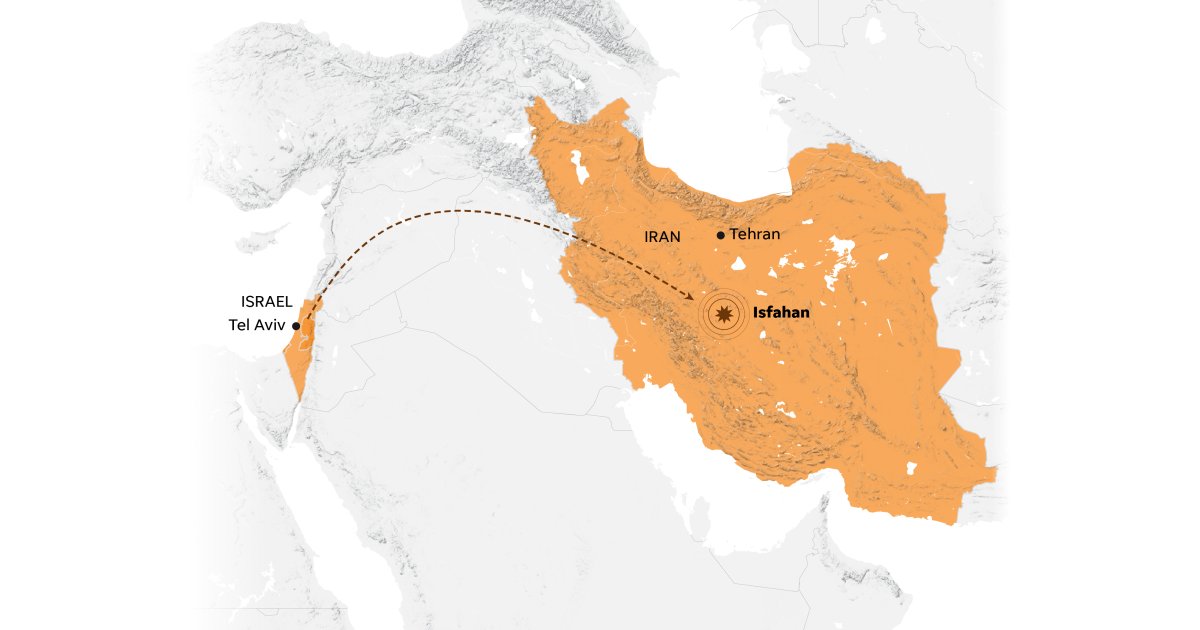
The Israeli army has announced that it has launched new strikes on military targets throughout the Iranian capital, Tehran, in a move that reflects escalating tensions between Israel and Iran. This announcement follows the Israeli army's detection of seven missile launches from Iranian territory during the day, prompting immediate military action.
These strikes come at a sensitive time, as fears of escalating conflict in the region grow, especially with the ongoing war in Ukraine and its implications for regional security. The Israeli army indicated that the strikes targeted sites deemed strategic for Iranian forces, reflecting Israel's ongoing policy of countering potential threats from Iran.
Details of the Incident
In detail, the Israeli army reported that it detected missile launches from Iran towards targets in Israeli territory, necessitating a swift response. The Israeli strikes targeted military sites and weapon storage facilities, as Tel Aviv seeks to undermine Iranian military capabilities that it considers a direct threat to its national security.
These strikes follow a series of hostile statements from both sides, with Iran accusing Israel of hostile actions, while Tel Aviv has affirmed that it will continue to take all necessary measures to protect its territory and citizens.
Background & Context
Historically, the conflict between Israel and Iran has been marked by continuous escalation, with Iran being one of Israel's foremost adversaries in the region. Since the Islamic Revolution in 1979, relations between the two countries have taken a hostile turn, with Iran supporting armed groups hostile to Israel, such as Hezbollah in Lebanon and Hamas in Gaza.
In recent years, tensions have increased due to the Iranian nuclear program, as Israel seeks to prevent Iran from developing nuclear weapons. The past years have witnessed several Israeli military operations against Iranian targets in Syria, reflecting Tel Aviv's strategy in countering Iranian threats.
Impact & Consequences
The repercussions of these strikes extend beyond Israeli borders, as they may lead to greater military escalation in the region. Should Iran respond to these strikes, it could draw the region into a broader conflict, affecting regional stability and heightening tensions among major powers.
These events may also impact relations between Arab states and Iran, as Arab nations closely monitor the situation's developments. These strikes could lead to a reassessment of Arab countries' strategies in dealing with Iran, especially amid ongoing regional tensions.
Regional Significance
In the context of the impact on the Arab region, Israeli strikes may increase divisions between Arab states and Iran, as many Arab countries remain cautious of Iran's growing influence in the area. Furthermore, these events could reopen discussions about security cooperation between Arab states and Israel, particularly in the face of Iranian threats.
In conclusion, the situation in the region remains tense, as Israel continues to implement its military strategy against Iran, while Tehran responds with an escalation of its military rhetoric. The current situation requires close monitoring by the international community, as any further escalation could lead to serious implications for regional and international security.