The Israeli occupation army has threatened to impose a "full occupation" of Lebanon, claiming that this is part of its efforts to disarm Hezbollah. These threats, reported by the Israeli newspaper Haaretz, coincide with the continued Israeli airstrikes on the southern suburbs of Beirut, where the Israeli army has begun targeting Hezbollah's infrastructure.
At the same time, Hezbollah continues to target northern areas in Israel, including the Upper Galilee and the city of Haifa. Reports indicate that the rocket fire launched by the party coincides with that which is fired from Iran, complicating the military situation in the region.
Details of the Event
The interactive map published by the Israeli occupation army shows the areas from which residents have been requested to evacuate. Initially, the focus was on areas south of the Litani River, but the scope of evacuations has since expanded to include areas south of the Zahrani River, which lies south of the city of Sidon. Evacuations have also included areas from Western Bekaa.
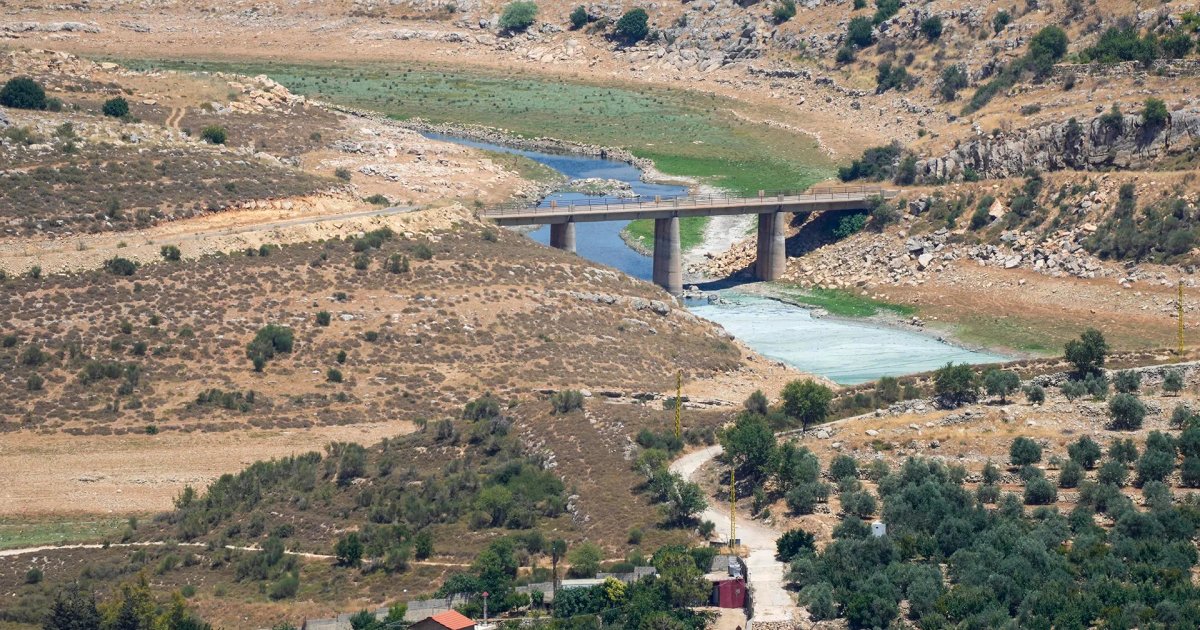
Israel aims to sever the connection between the southern regions and the Western Bekaa, which it considers supply lines for Hezbollah. The army has blown up several bridges along the Litani River and has begun demolishing bridges that connect the Bekaa with southern Lebanese areas.
Background & Context
Military and strategic expert Brigadier General Elias Hanna believes that the occupation army has a comprehensive plan to isolate Lebanese areas, as it destroys bridges and evacuates residents from the Blue Line to the Zahrani area, which represents about 13% of Lebanon's territory. He points out that the most dangerous aspect of this plan is the evacuation and destruction that includes villages close to the first line and the Blue Line.
Brigadier General Hanna emphasizes that Hezbollah is a fundamental Lebanese component, and that the residents of these villages cannot be pushed out of Lebanon as was done in 1982. He believes that pressures will increase on the Lebanese state to disarm Hezbollah, further complicating the internal situation.
Impact & Consequences
Brigadier General Hanna notes that the Israeli occupation army's advance into Lebanese territory by 7 to 10 kilometers would enable it to occupy elevated areas and reach the Litani River. However, this requires an increase in troop numbers, which poses a significant challenge.
Israeli media reported that the Israeli army will present a plan to the political leadership to establish a buffer zone in southern Lebanon, similar to the Yellow Line in Gaza. The newspaper also confirmed that the buffer zone project will not include the establishment of military bases or army points, and that a full occupation of Lebanese territory is not the goal of the war; rather, Lebanon alone is capable of dismantling Hezbollah's weapons.
Regional Significance
These Israeli threats underscore the rising tensions in the region, which could lead to greater military escalation between Israel and Hezbollah, negatively impacting stability in Lebanon and the region as a whole. Additionally, these events may affect relations between Arab countries and Israel, increasing pressure on Arab governments to address the growing security challenges.
In conclusion, the situation in Lebanon remains under close scrutiny, with expectations of escalating tensions in light of these Israeli threats, necessitating urgent diplomatic moves to contain the crisis.