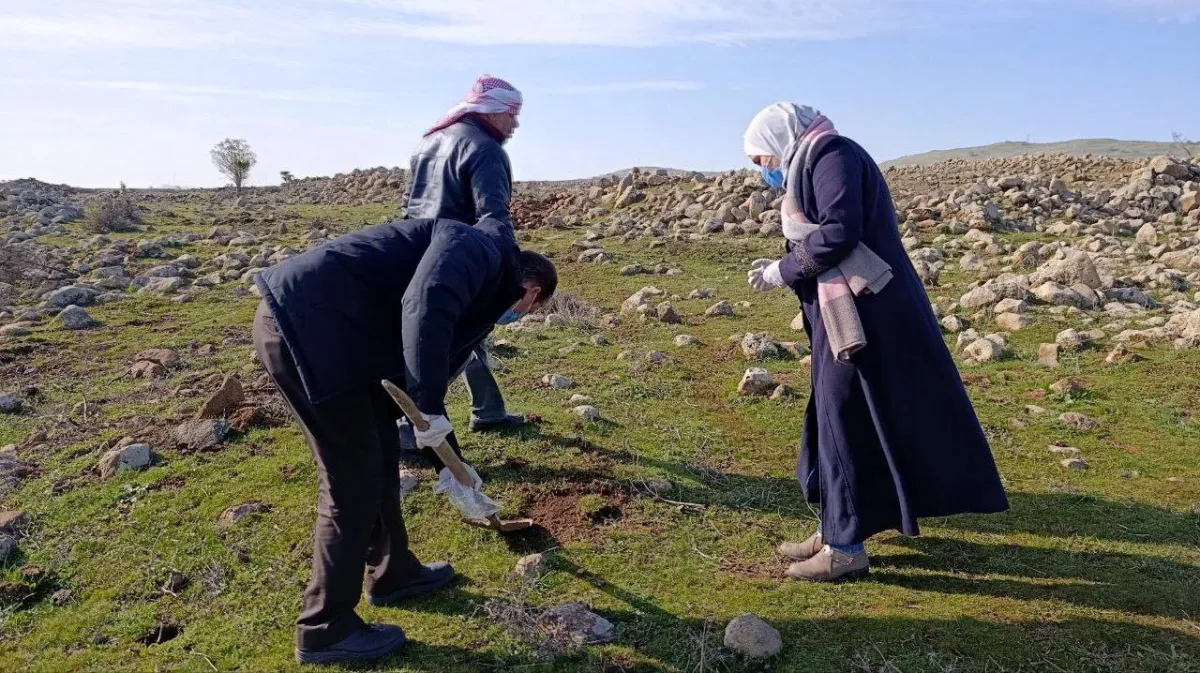
Israeli violations in southern Syria are on the rise, negatively affecting the agriculture and livestock sectors in the provinces of Quneitra and Daraa. The restrictions imposed on residents' access to their lands have caused a deterioration in the economic and social situation, damaging vast areas of pastures and agricultural lands.
These Israeli violations occur almost daily, despite the Syrian government's commitment to the 1974 Separation of Forces Agreement. However, Tel Aviv announced the cancellation of this agreement following the fall of Bashar al-Assad's regime in late 2024, escalating tensions in the region.
Details of the Violations
The Israeli violations include ground incursions and artillery shelling, particularly in the rural areas of Quneitra and Daraa. Citizens have been arrested, and checkpoints have been established to inspect and interrogate passersby, leading to the destruction of crops. Despite the announcement of a communication mechanism between Syria and Israel in January, under U.S. supervision, Israeli assaults continue unabated.
The Syrian authorities assert that these assaults hinder the government's efforts to restore stability and attract investments, as they have led to the division of rural Quneitra through the establishment of military bases and points, causing damage to hundreds of hectares of agricultural land.
Background & Context
Since 1967, Israel has occupied most of the Golan Heights, exploiting the events following the overthrow of Bashar al-Assad's regime to expand its occupation. This situation reflects an escalation in regional tensions, as Israeli forces advance into Lebanese areas adjacent to its borders, raising concerns about its expansionist intentions.
In this context, farmers report increasing difficulties in accessing their lands, with many unable to harvest their crops. Fruit trees, such as olives and grapes, continue to produce, but their owners are unable to harvest due to security risks.
Impact & Consequences
The current situation has resulted in direct economic losses, as residents primarily rely on agriculture as a source of income. The Director of Agriculture in Quneitra, Mohammad Rahal, confirmed that Israeli violations have significantly impacted farmers, damaging forests and restricting access to many agricultural lands.
He also noted that chemicals sprayed in some areas have harmed crops and pastures, exacerbating the suffering of farmers and livestock breeders. Many have been forced to sell their herds due to a lack of pastures and ongoing pressures.
Regional Significance
The repercussions of these violations extend beyond Syrian borders, reflecting a state of instability in the region. Increasing tensions between Israel and Hezbollah, along with ongoing threats from the Israeli side, could lead to a greater escalation of the conflict, affecting regional security.
In conclusion, the situation in southern Syria remains complex, with Israeli violations on the rise amid a lack of political solutions. International efforts are needed to find sustainable solutions that ensure the rights of residents and restore stability to the region.