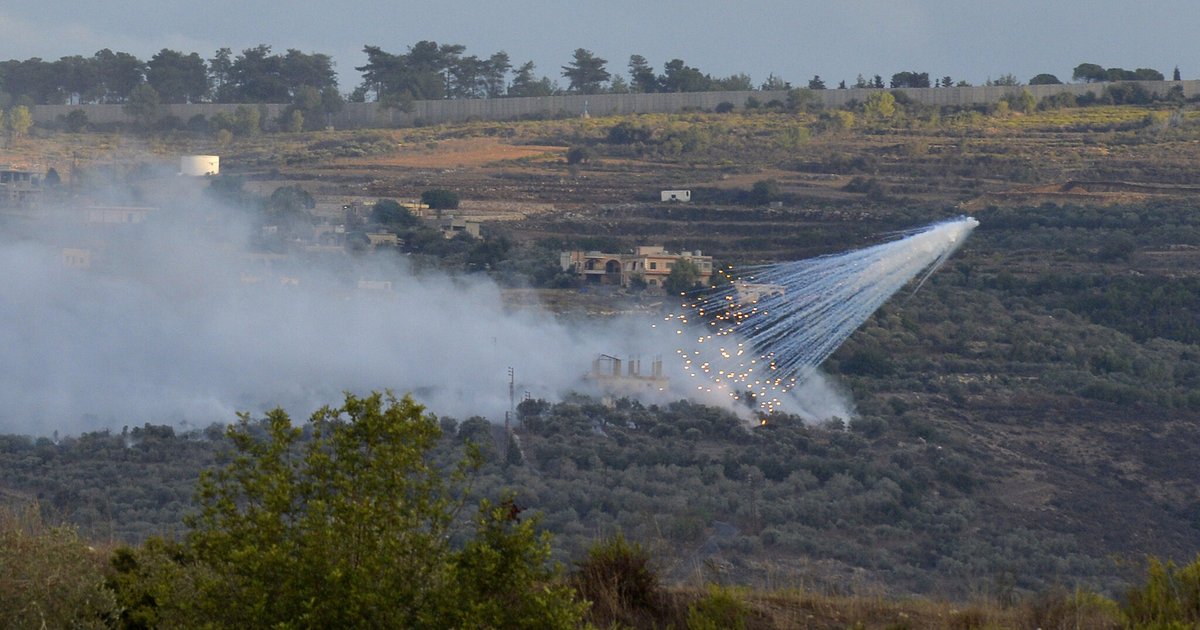
Israeli sources have cautioned that the existing ceasefire with Lebanon may be at risk of collapse due to what they describe as ongoing violations by Hezbollah along the border. These warnings arise during a period of increasing tensions in the region, raising fears of a potential military escalation.
In official statements, Israeli forces confirmed that Hezbollah continues to engage in activities deemed violations of the declared truce, causing concern in Tel Aviv. These statements follow a series of incidents that have occurred along the Lebanese-Israeli border, which have heightened tensions between the two sides.
Details of the Situation
Reports indicate that Hezbollah has conducted several reconnaissance operations and deployed forces near the border, prompting the Israeli army to bolster its military presence in the area. Satellite images have revealed unusual movements of Lebanese forces, which Israel considers a direct threat to its security.
At the same time, Israeli military sources have asserted that any escalation by Hezbollah will be met with a strong response, increasing the likelihood of a military confrontation. These statements reflect growing concerns in Israel regarding Hezbollah's ability to exploit the regional situation to its advantage.
Background & Context
Historically, the Lebanese-Israeli border has witnessed numerous armed conflicts, particularly during previous wars. Since the end of the last war in 2006, both parties have sought to maintain some form of ceasefire; however, repeated violations from both sides have consistently threatened this truce.
Hezbollah, considered one of the most powerful militias in the region, enjoys significant Iranian support, making it a key player in the conflict. Conversely, Israel aims to maintain its national security by reinforcing its forces along the border and imposing restrictions on Hezbollah's military activities.
Impact & Consequences
If the ceasefire collapses, it could lead to widespread military escalation, significantly affecting regional security. Moreover, any escalation could draw other countries in the region into the conflict, complicating the security situation further.
These warnings serve as a wake-up call for the international community, which must intervene to prevent an escalation of the conflict. Should the situation worsen, the humanitarian consequences would be catastrophic for civilians in both countries.
Regional Significance
The tensions between Lebanon and Israel are part of the larger picture of conflicts in the Middle East. Any escalation in this region could impact stability in neighboring countries such as Syria and Palestine, further complicating humanitarian and political situations.
Ultimately, the current situation requires urgent diplomatic solutions to avoid any military escalation that could lead to dire consequences for the entire region.