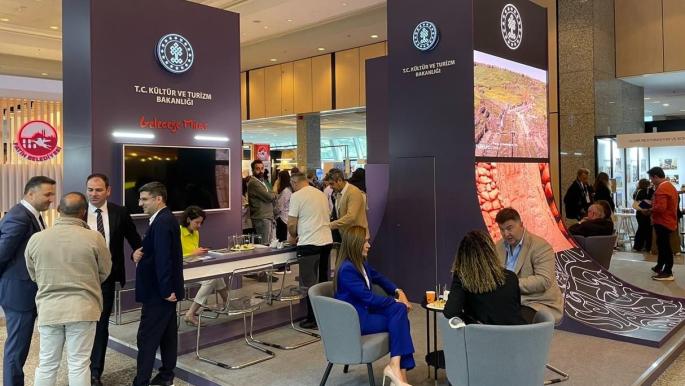
The ninth Heritage Exhibition in Istanbul concluded today, featuring broad participation from 130 institutions and companies from both international and Arab backgrounds. The exhibition focused on employing technology in restoration and documentation efforts aimed at safeguarding both tangible and intangible heritage.
This edition of the exhibition served as an opportunity for knowledge exchange among countries and institutions concerned with heritage, showcasing the latest innovations in cultural heritage preservation. Workshops and lectures were organized to discuss how modern technologies can be utilized to protect historical sites and artifacts.
Event Details
The exhibition included a variety of events that showcased real restoration projects, as well as new technologies such as 3D printing and virtual reality. These technologies provided live demonstrations for visitors on how to reconstruct damaged or destroyed artifacts.
Additionally, artificial intelligence technologies were presented for analyzing data related to heritage, which helps improve preservation and documentation strategies. The exhibition also witnessed the attendance of numerous experts and specialists in the heritage field, who discussed avenues for international cooperation in this domain.
Background & Context
This event comes at a time when there is a growing global interest in preserving cultural heritage, especially given the challenges faced by many historical sites due to armed conflicts and climate change. Studies have shown that cultural heritage plays a significant role in enhancing national identity and sustainable development.
Istanbul, a cultural and historical hub, aims through this exhibition to strengthen its position as a key destination for heritage preservation. The exhibition reflects Turkey's commitment to maintaining its rich history and presenting it to future generations.
Impact & Consequences
The significance of the exhibition goes beyond being merely a cultural event; it also reflects the global trend towards utilizing technology in preservation and restoration efforts. This trend may change how countries interact with their cultural heritage, thereby enhancing opportunities for international cooperation in this field.
Moreover, employing technology in heritage preservation can open new avenues for scientific research, contributing to the development of more effective strategies for safeguarding historical sites. Consequently, the exhibition serves as a platform for knowledge and experience exchange among different countries.
Regional Significance
The Arab region is rich in cultural heritage, and the Istanbul exhibition contributes to raising awareness about the importance of preserving this heritage. Many Arab countries face similar challenges in maintaining their archaeological sites, making the exchange of experiences with Turkey extremely vital.
Furthermore, the exhibition encourages collaboration between Arab countries and Turkey in the fields of restoration and documentation, thereby strengthening cultural and economic ties among these nations.
In conclusion, the ninth Heritage Exhibition in Istanbul represents an important step towards enhancing awareness of the significance of preserving cultural heritage, reflecting the commitment of participating countries to employ modern technology in this field.