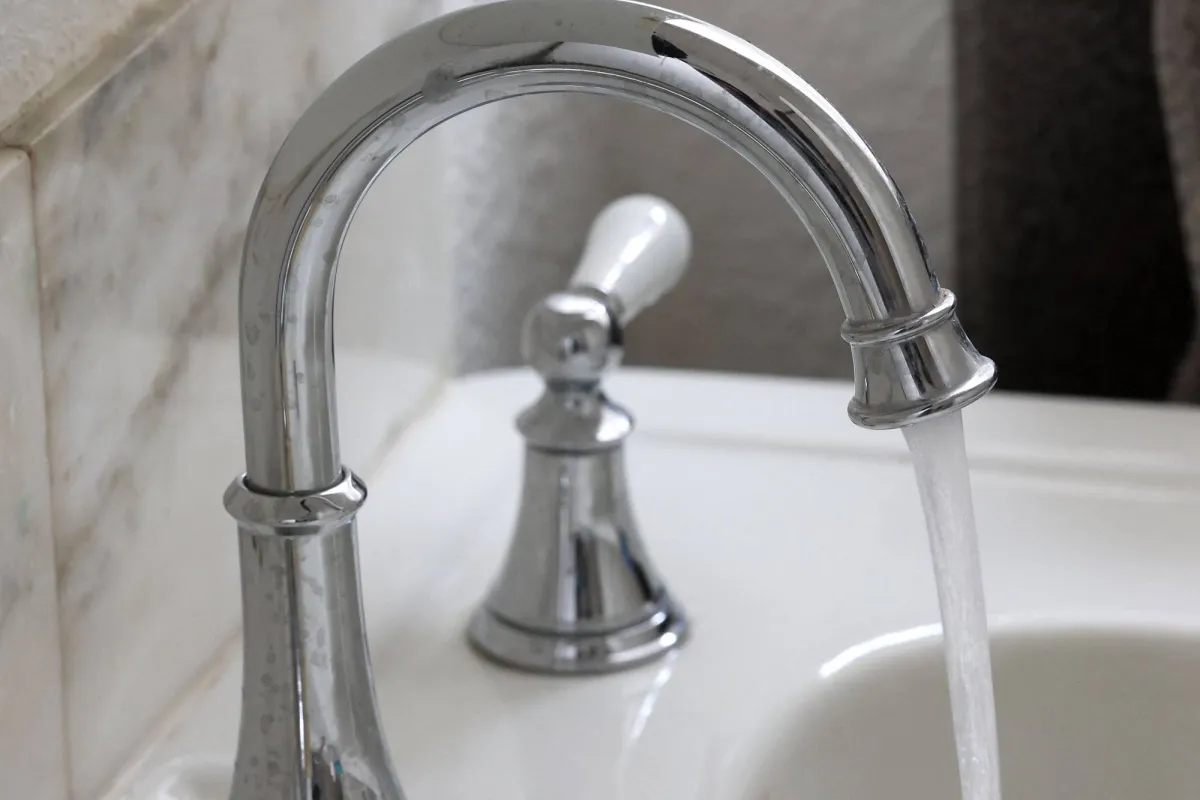
The Italian Supreme Court, the highest judicial authority in the country, has ruled that hotels are entitled to refuse to provide tap water to their guests. This ruling came as part of a lawsuit filed by a tourist against a luxury hotel in a ski resort in the Dolomites, where she was staying during the New Year's holiday of 2020.
The tourist, who stayed at the five-star "Sassongher" hotel in Corvara, filed a complaint after the hotel refused to supply her with tap water during her meals, instead offering her bottled water at a price of seven euros ($8.15) per bottle. She sought damages exceeding €2700.
Details of the Ruling
The ruling was issued in late April but was only reported by local media this week. The Supreme Court affirmed that Italian law does not require bars or restaurants to provide tap water to customers, supporting the conclusions reached by two lower courts earlier.
The tourist argues that water, under "constitutional and national sources," is a natural commodity and a universal human right, demanding the guarantee of providing the minimum necessary to meet basic needs free of charge. On the other hand, the "Sassongher" hotel declined to comment on the ruling, and the tourist's lawyer did not respond to requests for comment.
Background & Context
It is noteworthy that there is no unified European law requiring all EU member states to provide tap water free of charge upon request. While EU directives on drinking water encourage restaurants to offer it, they do not impose a general obligation.
Complaints from hotel guests about the lack of tap water are increasing, raising questions about consumer rights in this context. Previous studies have shown that providing free drinking water can positively affect guest experiences.
Impact & Consequences
This ruling may open the door for other hotels in Italy and Europe to refuse to provide tap water, potentially affecting guest experiences and increasing accommodation costs. It could also lead to widespread debate about consumer rights in hotels and restaurants.
At the same time, this ruling may spark discussions on how to balance guest rights with business management freedom. While hotels aim to achieve profits, they must also consider the needs and desires of their customers.
Regional Significance
This ruling may impact tourism in the Arab region, where many hotels rely on providing premium services to attract guests. If hotels in Arab countries follow the same approach, it could lead to a decline in guest satisfaction.
In this context, providing free drinking water is considered a fundamental aspect that reflects how much hotels care about their guests' comfort, which may affect their reputation in the market.
In conclusion, hotels need to reconsider their policies regarding the provision of drinking water, especially in light of the growing awareness of consumer rights. It may be beneficial for hotels to adopt more flexible policies to meet guest needs, enhancing their experience and increasing loyalty.