An Italian court has mandated Netflix to refund customers due to price increases over the years. This ruling follows a lawsuit from a consumer protection group that threatened legal action if Netflix did not reduce its current prices.
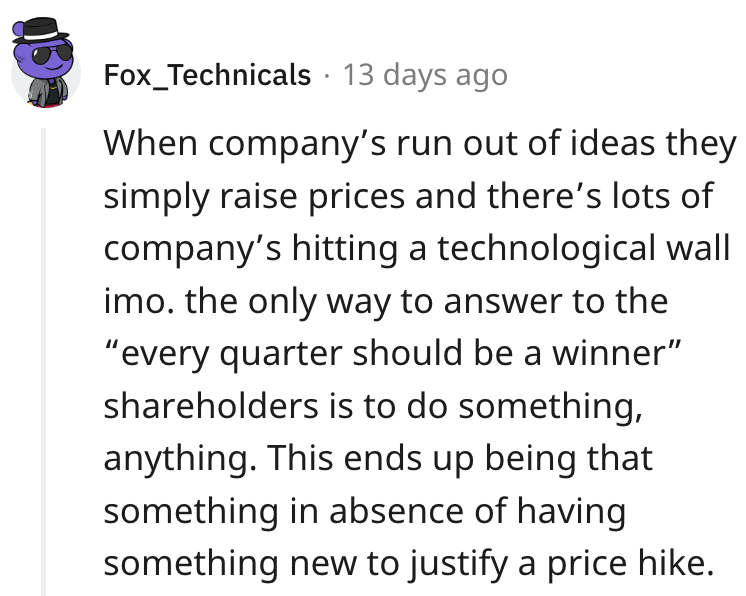
This move is considered a significant development in consumer rights protection, highlighting the importance of transparency in service pricing. The court's decision has elicited mixed reactions among users, with some arguing that the repeated price hikes were unjustified, while others believe that the service provided by Netflix is worth the cost.
Details of the Case
The case dates back several years, during which Netflix periodically raised subscription prices, causing dissatisfaction among many customers. The consumer protection group deemed these increases unjustified and called for an investigation into the matter. Consequently, the Italian court ruled that Netflix must refund the amounts that were unfairly collected from customers.
The ruling encompasses all customers affected by these price hikes, indicating that Netflix could face substantial financial claims. The court also emphasized the necessity for companies to be transparent in their pricing and to comply with local consumer protection laws.
Context and Background
Netflix is regarded as one of the largest entertainment streaming platforms globally, experiencing significant growth in recent years. However, the price increases have sparked widespread debate regarding their impact on the user base. In many countries, large companies have faced criticism for their pricing practices, leading to increasing calls for consumer rights protection.
In Italy, this case is part of broader efforts to enhance consumer rights, with similar legal actions taken against other companies across various sectors. This trend reflects a growing awareness among consumers about the importance of their rights and the need to hold companies accountable.
Implications and Effects
This ruling could have a substantial impact on how companies handle their service pricing in the future. If the judgment is enforced, it may lead to changes in pricing policies at Netflix and other major companies. Additionally, this decision could encourage more consumers to assert their rights, potentially resulting in changes to local and international laws regarding consumer protection.
Moreover, this ruling may increase pressure on companies to provide higher quality services at reasonable prices, benefiting consumers. It could also motivate governments to take further actions to protect consumer rights across various sectors.
Impact on the Arab Region
In the Arab region, entertainment streaming services like Netflix are on the rise, with an increasing number of users relying on these platforms for entertainment content. However, price increases may lead to a decline in subscriber numbers, especially given the challenging economic conditions faced by some Arab countries.
If similar consumer protection policies are implemented in Arab countries, it could enhance user experience and increase trust in these services. Strengthening consumer rights may also encourage more companies to commit to transparency in their service pricing.
In conclusion, the Italian court's ruling represents an important step toward enhancing consumer rights and reflects the growing need for transparency in pricing. This decision may have far-reaching effects on how companies approach their service pricing in the future.