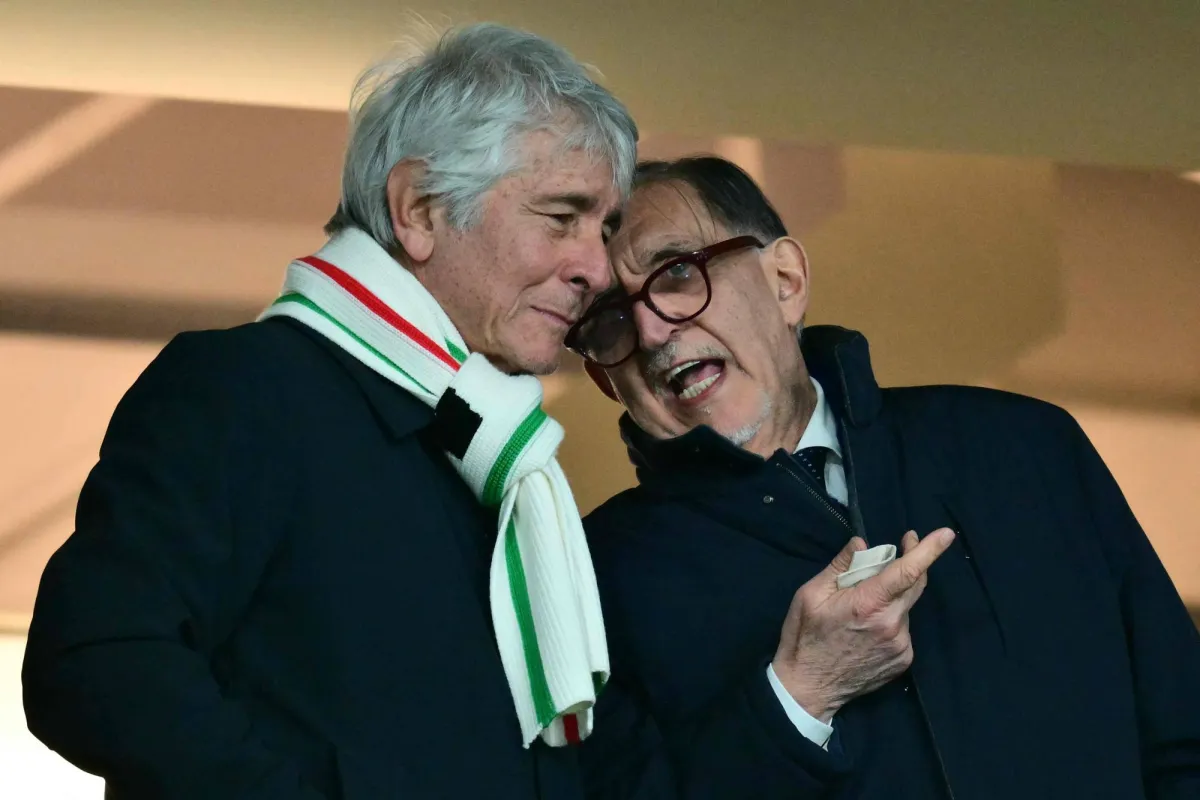
Italian Sports Minister Andrea Abodi called on Wednesday for the resignation of the local football federation president Gabriele Gravina, following the failure of the Italian national team, known as the "Azzurri," to qualify for the World Cup for the third consecutive time. This call came after the team lost in the playoffs to Bosnia and Herzegovina in a penalty shootout, resulting in their absence from the finals that will be held this summer in the United States, Canada, and Mexico.
Gravina confirmed that he would not resign, indicating that he would hold a council meeting next week to determine his fate. In this context, Abodi stated in a press release: "It is clear that Italian football needs to be rebuilt from the ground up, and this starts with a change at the top of the federation."
Details of the Event
Abodi's statements come at a sensitive time, as the Italian national team has been suffering from a series of failures in the qualifiers. The team lost in the playoffs for the second consecutive time, which has sparked dissatisfaction among fans and analysts alike. In his comments on the defeat, Gravina criticized the lack of government support for football, pointing out that other sports are considered "amateur" compared to football, due to the large number of athletes working within military and security agencies.
Despite the successes Italy has achieved in other sports, such as winning 30 medals at the recent Winter Olympics, football still holds a special place in the hearts of Italians. Gravina's remarks have stirred controversy, prompting many athletes, including speed skater Francesca Lollobrigida, to respond sarcastically on social media.
Background & Context
Historically, Italy has been one of the major powers in football, with the national team winning four World Cup titles. However, recent failures in the qualifiers have raised questions about the future of Italian football. In recent years, there have been significant changes in the administrative structure of the Italian federation, which has affected the team's performance on the international stage.
These events coincide with tensions between the Italian government and the federation president, complicating the situation further. Gravina has criticized the government for what he perceives as a lack of support, which could impact the future of football in the country.
Impact & Consequences
Abodi's call for a change in leadership within the federation could open the door to radical changes in the management of Italian football. There may be an urgent need to reassess the strategies employed in player development and club support. This call could also lead to changes in government policies towards sports in general.
If Gravina remains in his position, he may face increasing pressure from fans and players demanding radical reforms. Additionally, the failure to qualify for the World Cup could affect sponsors and supporters, potentially leading to financial repercussions for clubs and the federation.
Regional Significance
Football is one of the most popular sports in the Arab world, with millions of fans following European teams. The failures experienced by major teams like Italy may impact Arab fans' interest in European competitions, especially with the World Cup approaching.
The current situation may also open the door for Arab countries to benefit from Italian experiences in football development, whether through adopting new strategies or enhancing cooperation between sports federations.
In conclusion, the future of Italian football hangs in the balance, dependent on the decisions of the current leadership and their ability to respond to the challenges they face. Rebuilding Italian football may be necessary to restore its status as a global sports power.