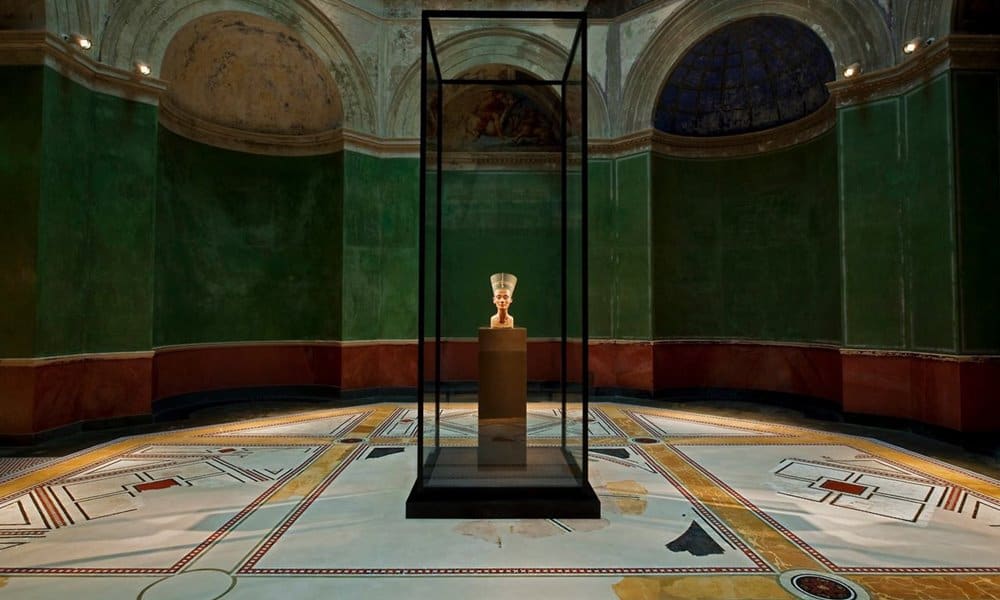
In a move that reflects the increasing awareness of the importance of cultural heritage, one thousand Italians have signed a petition demanding the return of the Nefertiti bust from the Berlin Museum. This bust is considered one of the most prominent artifacts from ancient Egyptian civilization, and its presence in the German museum has sparked widespread debate over cultural ownership rights.
The Nefertiti bust, dating back over 3,300 years, symbolizes beauty and power in ancient Egypt. Discovered in 1912 at Amarna, it has since become part of the Egyptian Museum's collection in Berlin. However, many believe that the bust should be returned to its original home in Egypt.
Details of the Campaign
This campaign comes at a time when many countries around the world are increasingly striving to recover stolen artifacts. The petition signatories emphasized that the return of the Nefertiti bust is not merely a legal issue but also a matter concerning the cultural and historical identity of the Egyptian people.
The petition includes demands for the bust to be returned to Egypt, where it can be displayed in a suitable historical and cultural context. This request is part of a broader movement to reclaim cultural heritage stolen from countries like Iraq and Syria, where archaeological sites have been looted and destroyed.
Background & Context
Historically, many Egyptian artifacts were looted during colonial periods, ending up in museums across Europe and America. This has sparked debates over cultural ownership rights, with many calling for the return of these items to their countries of origin.
In recent years, some European countries have begun returning artifacts to their native lands, reflecting a shift in attitudes towards cultural heritage issues. However, many artifacts still remain in Western museums, raising questions about historical justice.
Impact & Consequences
If the campaign succeeds in recovering the Nefertiti bust, it could pave the way for further claims for the return of other artifacts. This step may enhance awareness of the importance of cultural heritage and strengthen national identity in countries that have experienced the loss of their heritage.
Moreover, the return of the bust could foster cultural relations between Egypt and European nations, contributing to building bridges of understanding and cooperation in the fields of culture and arts.
Regional Significance
The issue of reclaiming cultural heritage is particularly significant for the Arab region, where many countries suffer from the loss of artifacts due to conflicts and wars. The success of this campaign may encourage other nations to assert their rights to cultural heritage.
Ultimately, this campaign represents an important step towards restoring the cultural and historical identity of peoples and reflects the growing awareness of the need to preserve cultural heritage for future generations.