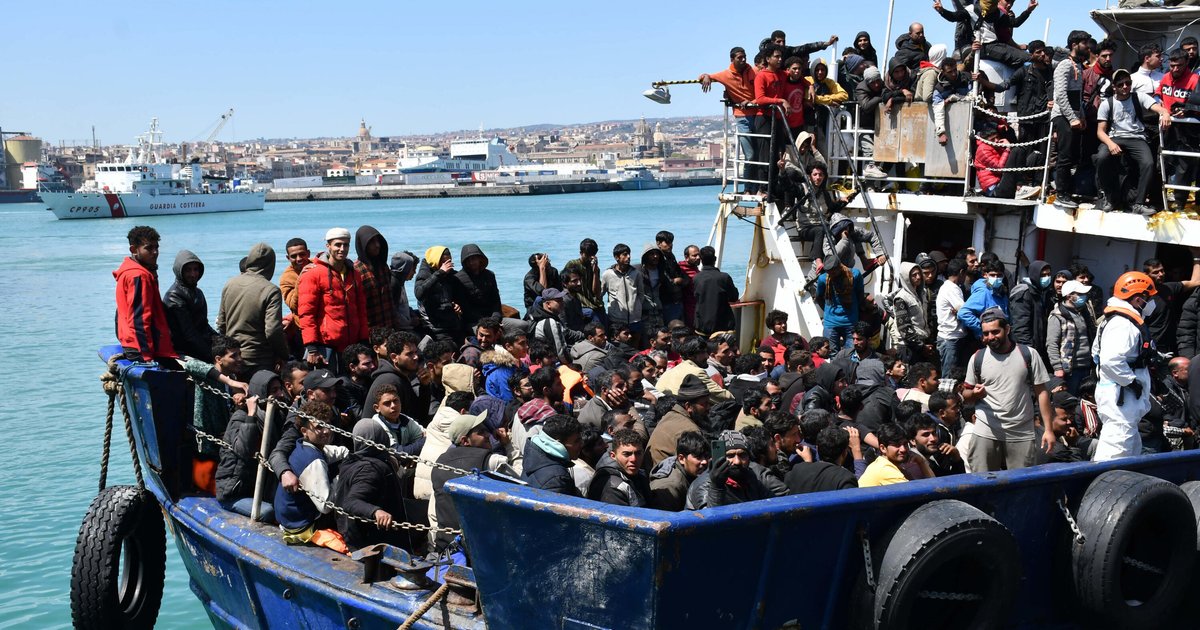
The Italian government has recently announced a series of new measures to tackle the increasing migration crisis across the Mediterranean Sea. This step comes at a time when the country is witnessing a noticeable rise in the number of migrants arriving from North Africa, raising concerns among both the government and civil society.
The new measures include enhancing coastal surveillance, increasing cooperation with African countries to combat human trafficking, and improving the reception conditions for migrants in shelters. The government also emphasized the importance of providing necessary support to migrants seeking asylum, focusing on respecting human rights.
Details of the Situation
Reports indicate that Italy has seen a significant increase in the number of migrants in recent months, with over 80,000 migrants arriving on Italian shores since the beginning of the year. This situation has put pressure on the Italian government, which faces criticism from opposition parties for its inability to manage this crisis effectively.
In this context, the Italian Interior Minister stated that the government will work to strengthen cooperation with African countries, especially those from which migrant boats depart, in order to reduce the number of migrants risking their lives at sea. He also noted that Italy will seek support from the European Union to address this crisis.
Background & Context
Historically, Italy has been one of the main entry points for migrants into Europe, experiencing repeated waves of migration over the years. As political and economic crises escalate in North African and Middle Eastern countries, the number of migrants attempting to reach Italian shores has increased.
In recent years, the Italian government has taken several steps to address this crisis, including signing agreements with countries like Libya to reduce the flow of migrants. However, these measures have not been sufficient to halt the ongoing increase in migrant numbers, prompting the government to take new actions.
Impact & Consequences
The migration crisis is a sensitive issue in Italy, affecting domestic politics and relations with other European countries. The new measures are expected to lead to further tensions between the Italian government and the European Commission, particularly regarding migrant rights.
This crisis may also impact the upcoming local elections, as pressure mounts on the government from right-wing parties calling for stricter measures against migration. Consequently, how the government handles this crisis could significantly affect its political future.
Regional Significance
The migration crisis in Italy is closely related to the situation in North African countries, many of which are suffering from political and economic crises that lead to increased migration. Therefore, any measures taken by Italy to address this crisis may affect its relations with Arab and African countries.
Moreover, this crisis highlights the need for greater cooperation between Arab and European countries to address migration challenges, as joint solutions could help improve conditions in the countries of origin and reduce the flow of migrants.
The new measures announced by the Italian government represent an important step in addressing the migration crisis, but they require international support and cooperation to ensure effective and sustainable outcomes.