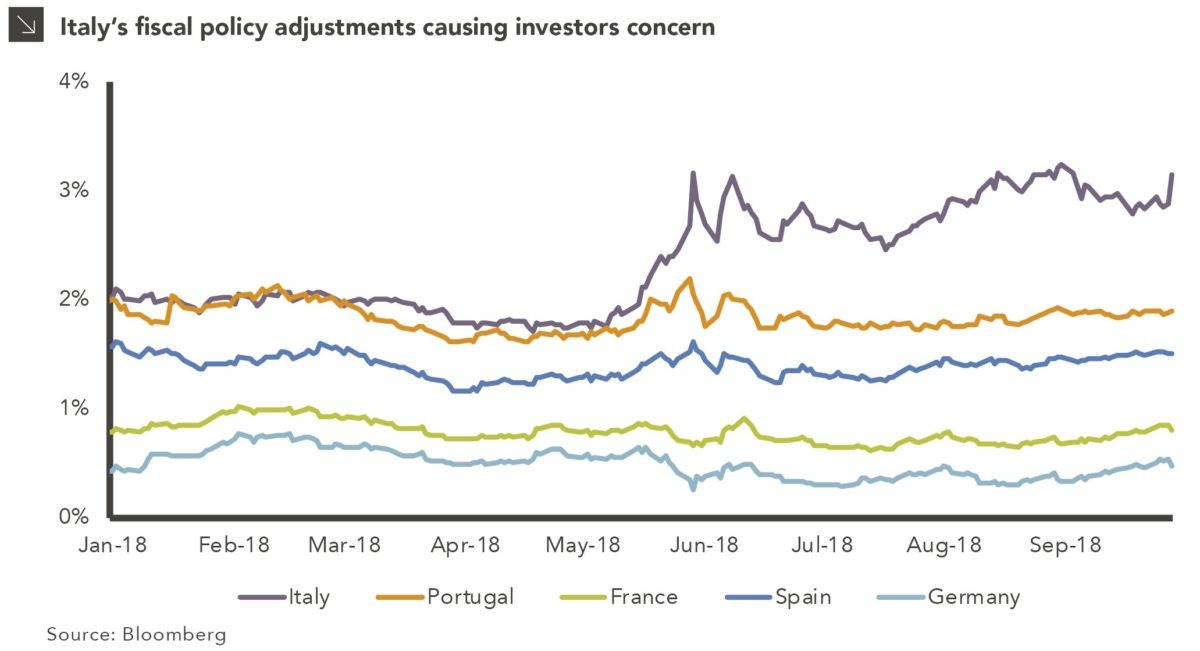
Reports indicate that Italy will record a public budget deficit of 3.1% during 2025. This deficit reflects the economic challenges facing the country and raises questions about the government's ability to achieve financial stability under current conditions.
This data comes at a sensitive time for the Italian economy, which is suffering from the repercussions of the COVID-19 pandemic and its impact on various sectors. The Italian government, striving to boost economic growth, is facing increasing pressure from both citizens and investors.
Details of the Situation
Reports have indicated that the anticipated budget deficit reflects an increase in public spending, particularly in the areas of health, education, and infrastructure. The Italian government hopes that these investments will contribute to stimulating long-term economic growth.
Despite the challenges, the Italian government intends to take steps to enhance revenue by improving tax efficiency and combating tax evasion. The government is also seeking to attract foreign investments to bolster economic growth.
Background & Context
Historically, Italy has experienced numerous economic fluctuations, suffering from high levels of public debt. In recent years, the Italian government has attempted to implement economic reforms aimed at improving its financial situation, but challenges remain.
Italy is one of the largest economies in the Eurozone; however, a public budget deficit could negatively impact its credit rating, potentially increasing borrowing costs and affecting investments.
Impact & Consequences
If the public budget deficit remains at this level, Italy may face pressure from the European Union to reduce public spending. This could lead to cuts in public services and increased taxes, which may affect the standard of living for citizens.
Moreover, the financial deficit could impact investor confidence in the Italian economy, potentially leading to a decline in both foreign and domestic investments. If the government fails to address these issues, the country may face a larger economic crisis in the future.
Regional Significance
Italy is an important trading partner for many Arab countries, and any deterioration in the Italian economic situation could affect trade and investment relations between both sides. Additionally, economic stability in Italy has indirect effects on financial markets in the Arab region.
In light of the anticipated deficit, Arab countries may seek to strengthen their economic partnerships with other nations to compensate for any negative impacts that may arise from the Italian situation. Furthermore, Arab investments in Italy may be affected, necessitating a reassessment of investment strategies.
In conclusion, the expected public budget deficit for Italy in 2025 highlights the economic challenges facing the country and raises questions about Italy's financial future. Under these circumstances, it will be essential to closely monitor economic developments, especially regarding their potential impacts on economic relations with Arab countries.