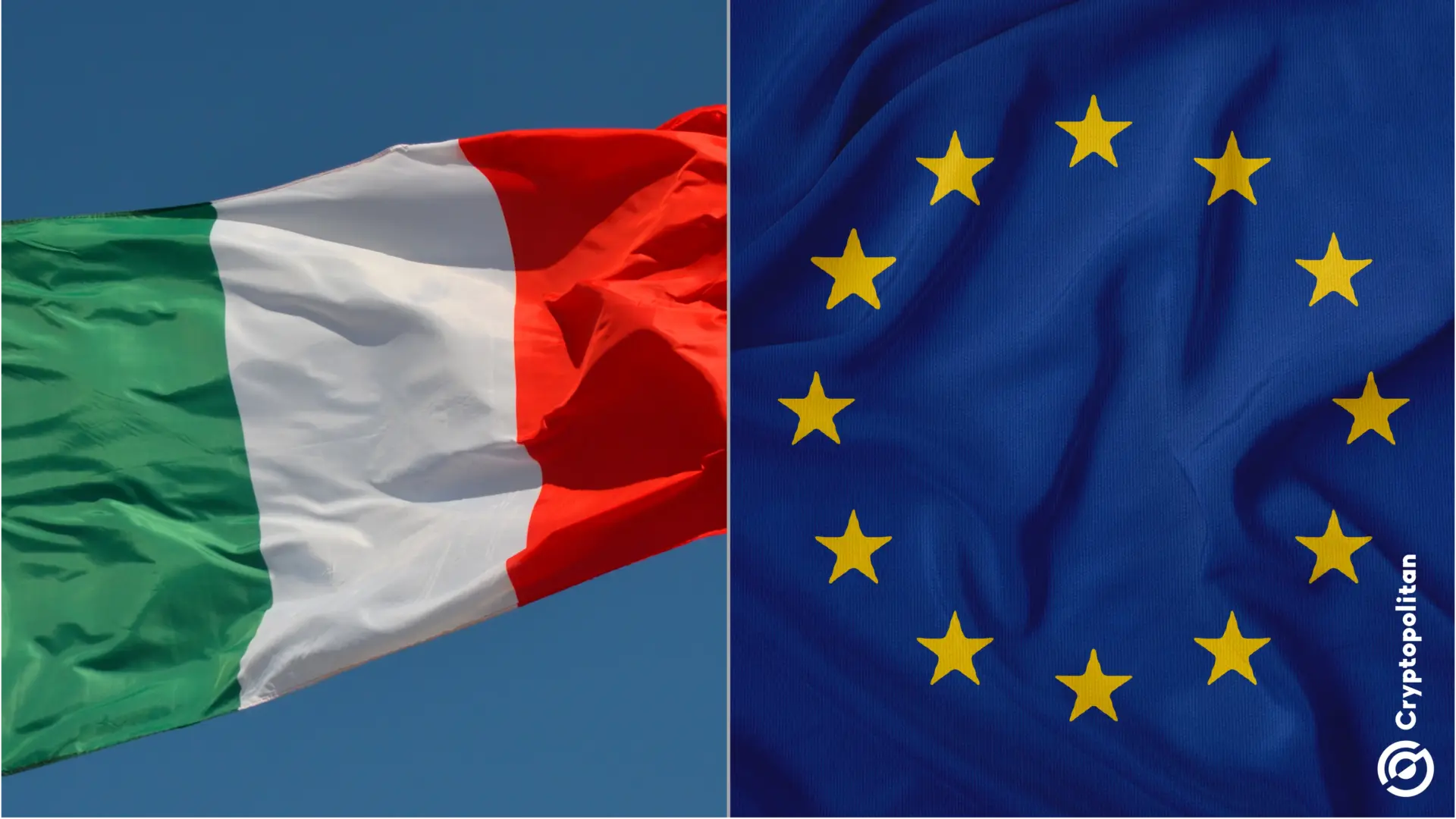
The Italian government has indicated that it expects the European Union to ease financial deficit rules if the crisis in the Middle East persists. This statement comes at a time when European countries are grappling with the repercussions of multiple crises, including soaring energy prices and inflation.
Italian Minister of Economy Giancarlo Giorgetti stated that the current situation may compel EU member states to reconsider the financial deficit rules, which set limits on public deficits and debt levels. He noted that the ongoing crises in the region may require a flexible response from the EU to support the economies of member states.
Details of the Situation
These comments come at a sensitive time, as many European countries face significant economic challenges due to successive crises. Energy prices have surged dramatically due to conflicts in the Middle East, impacting national budgets and leading to increased inflation.
The repercussions of the COVID-19 pandemic continue to cast a shadow over the European economy, as governments strive to balance economic support with deficit reduction. In this context, Italian officials believe that easing deficit rules may be necessary to address current challenges.
Background & Context
Historically, the EU's financial deficit rules aimed to maintain the stability of the European economy by setting limits on public deficits and debt. However, recurring crises, such as the sovereign debt crisis in the Eurozone, have prompted some countries to call for a reevaluation of these rules.
In recent years, the Middle East has witnessed numerous crises, ranging from armed conflicts to humanitarian emergencies, directly affecting the global economy. These crises have led to increased demand for energy, contributing to rising prices.
Impact & Consequences
If the financial deficit rules are eased, it could lead to increased government spending in member states, potentially stimulating economic growth. However, this may raise concerns about long-term financial sustainability.
Moreover, easing the rules could open the door for other EU countries to demand similar adjustments, potentially leading to greater disparities in fiscal policies among member states.
Regional Significance
The Arab region is directly affected by the crises in the Middle East, as many countries rely on economic stability in Europe. Any changes in European financial policies could impact investments and aid directed towards Arab nations.
Furthermore, rising energy prices due to the crises in the Middle East could affect the economies of oil-exporting Arab countries, making it essential for these nations to monitor developments in Europe closely.
In conclusion, the economic situation in Europe remains closely tied to the crises in the Middle East. Easing financial deficit rules may be a necessary step to address current challenges, but it must be done cautiously to ensure financial sustainability.