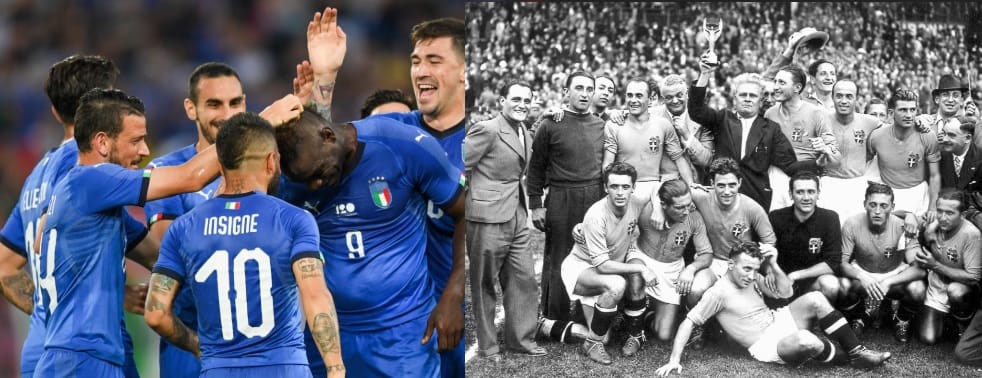
The Italian national team bid farewell to the World Cup for the third consecutive time after losing a playoff match against Bosnia and Herzegovina in a penalty shootout in the city of Zenica. Coach Gennaro Gattuso, who took over the team after a previous defeat, expressed feelings of sadness and regret after the match, emphasizing that the players performed well despite the difficult circumstances they faced.
The Italian team took the lead early in the match, but after one of their players was sent off, the Bosnian team managed to equalize, leading both teams to a penalty shootout that resulted in Italy's exit from the competition.
Match Details
In an exciting match, the Italian team started strong, scoring an early goal, but things changed when one of their players received a red card. Despite being a man down, the Italian team showed fighting spirit, but they could not maintain their lead. Gattuso commented after the match, saying: "Today the boys did not deserve such a defeat," expressing his pride in the players' performance.
The coach also pointed out that the team had good opportunities to score, but they failed to capitalize on them. Despite the criticism directed at the referee, Gattuso decided not to delve into the details of the officiating decisions, contenting himself with expressing his regret over the team's exit from the tournament.
Background & Context
Historically, the Italian national team is considered one of the most successful teams in football history, having won the World Cup four times, the last being in 2006. However, their absence from the tournament in recent editions is seen as a significant shock to Italian football fans. The last few years have witnessed a decline in the team's performance, leading to their failure to qualify for the tournament in the previous two editions.
Gattuso, a former player for the national team, took charge of the team during a challenging time, following a defeat to Norway at the start of the qualifiers. Despite his efforts, he was unable to steer the team back on track.
Impact & Consequences
This defeat is a severe blow to Italian football, as pressure mounts on the Italian Football Federation. The federation's president, Gabriele Gravina, expressed his support for the team coach, emphasizing the need to continue working with the current players. However, the pressure is increasing on everyone due to the disappointing results.
Internal evaluations are expected to take place within the Italian federation, as the poor performance of the national team is a significant concern. There are also calls for the resignation of some officials, reflecting the frustration prevailing in the Italian sports community.
Regional Significance
Football is an essential part of the culture in many Arab countries, where Arab audiences passionately follow European tournaments. Italy's exit from the World Cup may affect Arab fans' interest in the tournament, especially since many were looking forward to seeing one of the major teams. These events also open the door for discussions about the future of football in the region and how to develop it.
In conclusion, football remains a game full of surprises, and despite the current disappointment, there is always hope for the future. Italian football fans look forward to rebuilding the team and regaining its former glory.