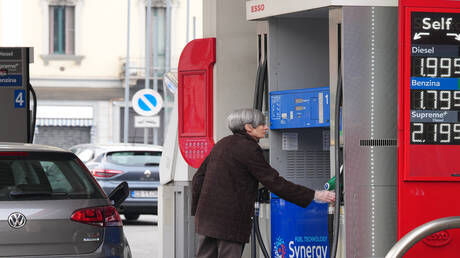
The Italian government has extended the fuel tax cut until May 1, in a move aimed at addressing the repercussions of rising energy prices exacerbated by the ongoing war in Iran. This decision is part of the government's efforts to alleviate financial burdens on citizens and businesses amid difficult economic conditions.
This initiative is considered part of a comprehensive package of measures taken by the Italian government to tackle the economic challenges posed by global crises, including the war in Iran, which has significantly impacted energy markets.
Details of the Initiative
The Italian government announced the allocation of approximately €500 million (about $577 million) as part of this package, aimed at mitigating the impact of rising fuel prices. This decision reflects the government's commitment to assist citizens in facing increasing economic challenges.
This step comes at a time when Italy, like many European countries, is facing mounting pressures due to rising energy prices, affecting living costs and economic growth. This measure is expected to help ease financial burdens on households and small businesses, thereby contributing to economic stability.
Background & Context
Italy is one of the European countries significantly affected by the war in Iran, which has led to sharp fluctuations in oil and gas prices. European markets have witnessed a notable increase in energy costs, impacting the economy as a whole.
In recent years, the Italian government has taken several steps to address these crises, including reducing fuel taxes and providing financial support to low-income families. This latest decision is part of a broader strategy aimed at enhancing economic stability and improving living conditions for citizens.
Impact & Consequences
The extension of the fuel tax cut is expected to have a positive impact on the Italian economy, as it will help alleviate financial pressures on households and businesses. Additionally, this decision may contribute to boosting domestic consumption, thereby enhancing economic growth in the country.
However, challenges remain, as the Italian government must monitor developments in global energy prices and adapt to any changes that may arise. The ongoing conflict in Iran could exacerbate the situation, necessitating further measures to support the economy.
Regional Significance
Arab countries are directly affected by global crises, including conflicts in Iran. The rise in energy prices impacts Arab economies that heavily rely on oil exports. Consequently, any changes in European policies may affect economic relations between Arab countries and Europe.
Moreover, these conditions may open avenues for Arab countries to enhance economic cooperation among themselves, particularly in the fields of energy and trade, contributing to achieving stability and growth in the region.
In conclusion, the Italian government's decision to extend the fuel tax cut represents an important step in addressing current economic challenges. As global crises continue, it remains essential for governments to adopt effective strategies to adapt to changing circumstances.