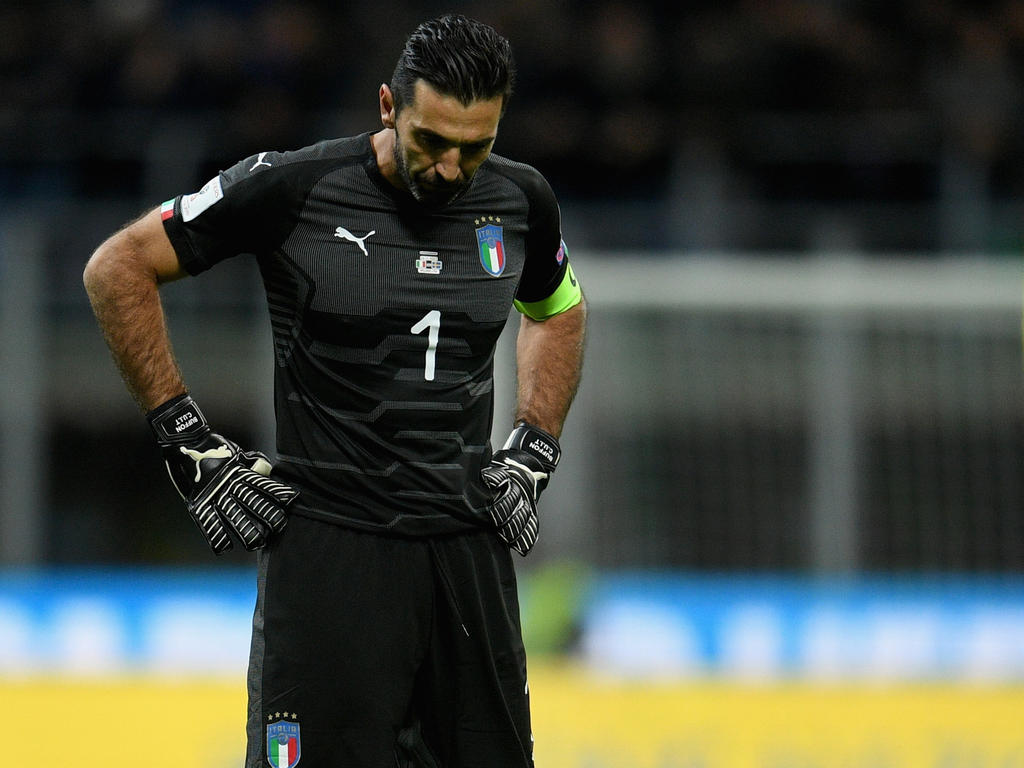
The Italian national team has failed to qualify for the 2026 World Cup, sparking a wave of criticism and angry responses from various sports figures, most notably former coach Fabio Capello. Capello deemed this failure a 'disgrace and tragedy' for the history of Italian football.
These remarks come at a sensitive time, as Italy had hoped to regain its status among the elite of global football after winning the 2020 European Championship. However, a lackluster performance in the qualifiers led to their elimination from contention, intensifying criticism directed at the Italian Football Federation and the coaches.
Details of the Event
Italy is considered one of the most successful teams in World Cup history, having won the title four times. However, failing to qualify for the World Cup for the second consecutive time reflects a severe crisis in Italian football. The recent qualifiers showcased a poor performance, with the team unable to secure the necessary results in crucial matches.
Capello, who has led Italy in several tournaments, expressed his discontent with the current situation, indicating an urgent need for a comprehensive reassessment of the football system in the country. He also criticized the playing style and tactical choices of the current coaches, calling for radical changes to improve future performance.
Background & Context
The history of Italian football is filled with successes, but recent years have seen a noticeable decline. After winning the World Cup in 2006, Italy has suffered repeated failures in major tournaments. They exited the group stage in the 2010 and 2014 World Cups and faced severe criticism after failing to qualify for the 2018 World Cup.
This decline also reflects changes in European football, where other teams have outperformed Italy in terms of performance and tactics. There is an urgent need to develop young talents and enhance the local league, which suffers from weak competition compared to other European leagues.
Impact & Consequences
The impact of this failure will not be limited to the national team but will also extend to Italian clubs. The absence of the national team from the World Cup may affect the attraction of players and new talents, potentially leading to a further decline in the level of the Italian league.
Moreover, this failure could negatively impact fan support and sponsorship, as interest in local matches is expected to wane in light of the national team's absence from the global stage. This could lead to economic repercussions for clubs that heavily rely on match revenues and sponsorships.
Regional Significance
Although Italy is not an Arab country, the influence of Italian football extends to the Arab world, where many Arab fans follow European leagues. The failure to qualify for the World Cup may affect the sentiments of Arab fans who had hoped to see Italy in the tournament.
This failure may also open the door for other teams, such as France and Germany, to become more prominent on the global stage, which could impact competition in European and global tournaments.
In conclusion, Italy's failure to qualify for the World Cup marks a turning point in the history of Italian football, necessitating a comprehensive review of the football system in the country. This setback may serve as an opportunity for rebuilding and achieving success in the future.