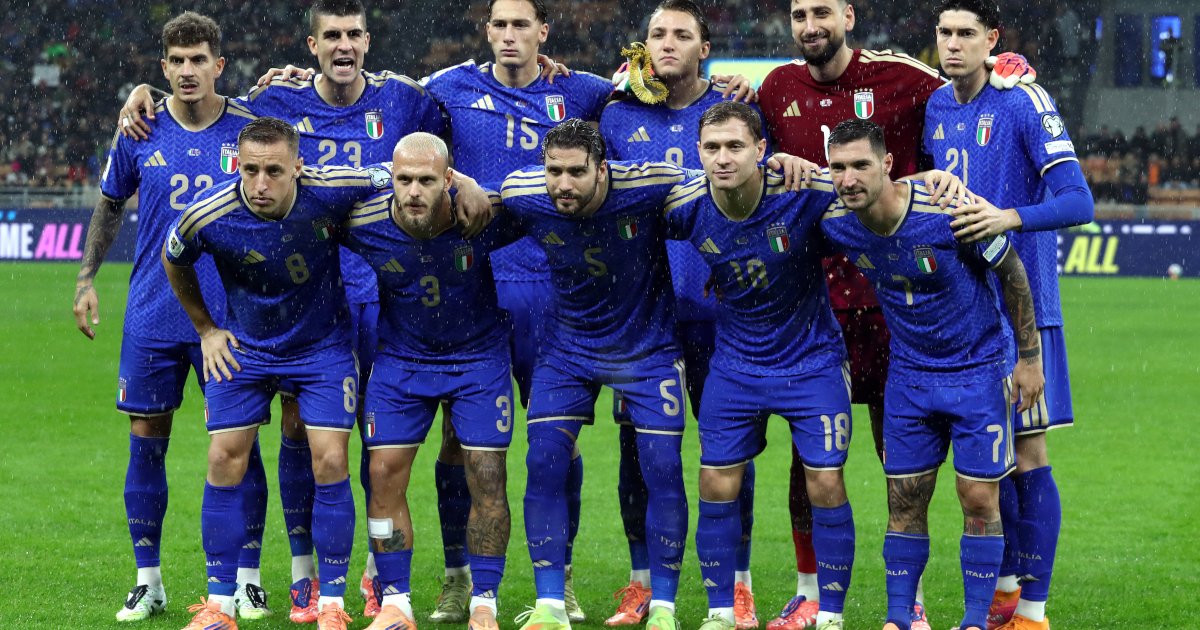
Italy, a four-time world champion, has announced its failure to qualify for three consecutive World Cups, marking an unprecedented event in the history of Italian football. This failure reflects a significant decline in the national team's performance, raising questions about the reasons behind these disappointing results.
Since its last qualification in 2014, Italy has experienced a series of negative results in the qualifiers, leading to its inability to qualify for the 2018 tournament in Russia, followed by a repeat scenario in the 2022 World Cup qualifiers in Qatar. These results highlight the significant challenges facing Italian football, both at the management level and in terms of technical performance.
Reasons Behind Italy's Failure to Qualify
There are multiple reasons that led to Italy's failure to qualify, among the most prominent being the frequent administrative changes within the Italian Football Federation. The country has suffered from instability in leadership, negatively impacting the development of a long-term strategy to uplift the national team. Additionally, there is a lack of young talent capable of compensating for the veteran players who have retired.
Moreover, the decline in the performance of Italian clubs in European competitions has affected the level of international players. The poor performance of clubs in the Champions League and the Europa League reflects the players' inability to compete at the highest levels, which adversely affects the national team.
Background & Context
Historically, Italy has been one of the major powers in the world of football, having achieved numerous global titles. However, since winning the World Cup in 2006, things have started to change. Recent years have seen a decline in performance, leading to a loss of confidence in the national team. This decline necessitates a comprehensive reevaluation of the football system in the country.
Furthermore, external influences play a role in this failure, such as the increasing competition from other countries that have heavily invested in football development. These countries have begun to surpass Italy in training and development areas, making it more difficult for Italy to return to the top.
Impact & Consequences
Italy's failure to qualify for the World Cup is a significant blow to Italian football, raising questions about the future of the team. This situation may lead to radical changes in the structure of the Italian Federation, including the replacement of coaches and a reevaluation of player development strategies.
This failure will also affect the fans, who had hoped to see their team achieve success on the global stage. Confidence in the national team has declined, which may lead to decreased fan support in the coming periods.
Regional Significance
Football in Italy is part of global culture, and its impact extends to Arab countries that passionately follow European tournaments. Italy's failure may open the door for other countries in the region to achieve better results, as they can learn from the lessons of Italy's experience.
This situation may also encourage Arab clubs to invest in developing young talents, enhancing their chances of competing at global levels.
In conclusion, Italy's failure to qualify for the World Cup represents a significant challenge for Italian football and reflects the urgent need for a comprehensive reevaluation of the football system. It requires concerted efforts from all stakeholders to ensure Italy's return to its rightful place in the world of football.