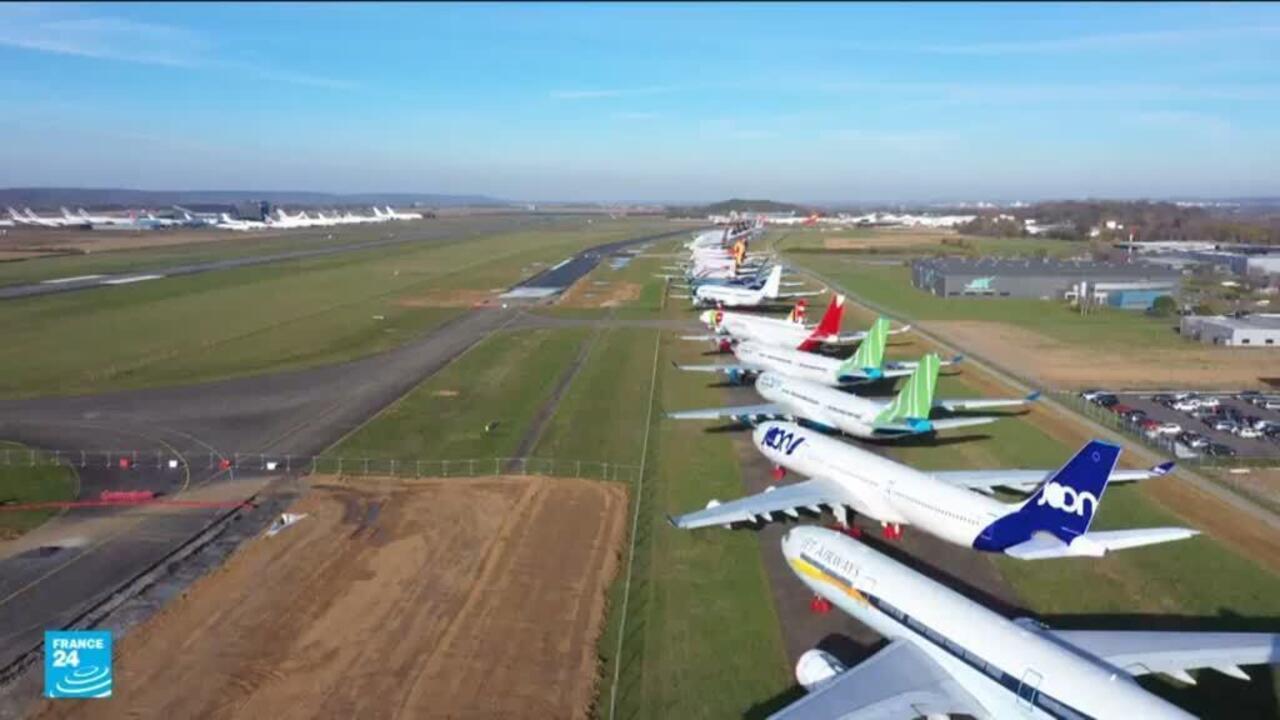
On Monday morning, Italy announced the imposition of rationing on kerosene supplies at several of its airports, a decision that could significantly impact air travel in the country. This measure comes at a time when many European nations are grappling with a growing energy crisis, prompting speculation about whether France might also restrict fuel supplies for aircraft.
The Italian government aims to manage energy resources more efficiently through this action, given the economic challenges facing the country. This announcement comes at a sensitive time, as airlines are under increasing pressure due to rising operational costs.
Details of the Rationing Plan
The Italian rationing plan includes reducing the amount of kerosene allocated to certain major airports, which may lead to flight delays or even cancellations. Officials indicated that this decision was a response to the rising global energy prices and their direct impact on the aviation sector.
It is noteworthy that Italy is not the only country facing this crisis, as concerns are growing in other European nations about the possibility of implementing similar measures. In this context, France is closely monitoring the situation and may consider taking similar steps if the crisis persists.
Background & Context
Historically, the aviation sector in Europe has faced multiple challenges, ranging from economic crises to the COVID-19 pandemic, which significantly affected air travel. With fuel prices on the rise, it has become essential for governments to take stringent actions to ensure the sustainability of this vital sector.
In recent years, airlines have faced increasing pressure to reduce carbon emissions, prompting many to seek more sustainable alternatives. However, the current energy crisis may shift priorities, potentially impacting green transition plans within the industry.
Impact & Consequences
The rationing of kerosene supplies in Italy could have negative effects on airlines, as they may need to adjust their flight schedules or reduce the number of flights. This could, in turn, affect tourism and the local economy, especially during the summer, which is considered peak tourist season in Italy.
Furthermore, this decision may lead to increased prices for travelers, which could limit the competitiveness of Italian airlines compared to their counterparts in other countries. If France takes similar steps, the situation could worsen, impacting air travel across Europe.
Regional Significance
This decision reflects the challenges Europe faces amid the energy crisis and its implications for air travel and the economy in the region. The ripple effects of such measures could extend beyond Italy, influencing travel patterns and economic conditions in neighboring countries.
As the situation evolves, it will be crucial for governments to balance energy management with the needs of the aviation sector, ensuring that both can coexist sustainably in these challenging times.