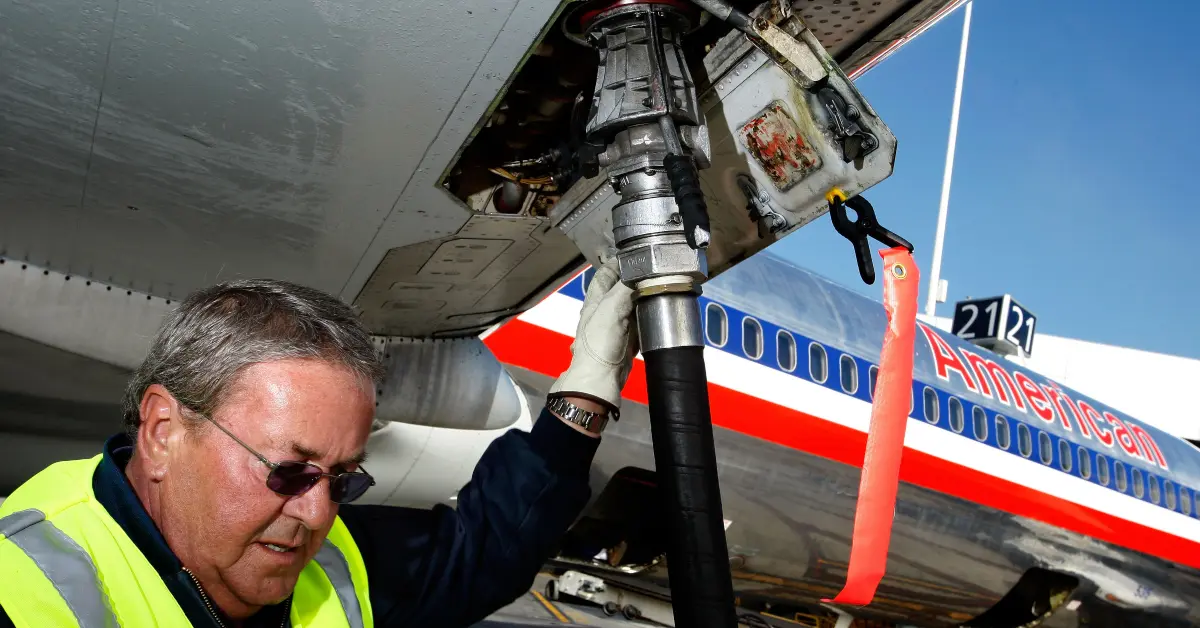
Several airports in Italy have announced restrictions on aircraft fuel supplies in the coming days due to a shortage caused by the ongoing conflict in the Middle East. Reports indicate that these restrictions may impact air travel and cause delays in flights, raising concerns among travelers and airlines alike.
This move comes at a sensitive time, as the region experiences increasing tensions affecting global supply chains. Italian airports have issued warnings to travelers and airlines, indicating that the fuel shortage may persist for several days, necessitating that all parties take the necessary precautions.
Details of the Restrictions
The airports affected by this decision include major airports in Italy, where limited quantities of fuel have been allocated for aircraft. Officials have noted that these restrictions could lead to delays in flights, particularly during peak times. It has also been confirmed that the relevant teams are working to find alternative solutions to mitigate the impact of this shortage.
At the same time, concerns are growing that the continuation of the conflict in the Middle East could exacerbate the situation, as many European countries rely on fuel supplies from this region. Therefore, any escalation in the conflict could directly affect air travel across Europe.
Background & Context
Historically, the Middle East has witnessed numerous conflicts that have impacted the global economy, particularly in the fields of energy and transportation. The current conflict is among the crises raising alarms in global markets, affecting oil and gas supplies, which in turn reflects on fuel prices in various countries.
It is worth noting that Italy is not the only country facing challenges in fuel supplies, as many other European nations have also been affected by political and economic crises in the region. This situation underscores the urgent need to diversify energy sources and reduce reliance on fuel supplies from conflict zones.
Impact & Consequences
The restrictions imposed on aircraft fuel supplies could have far-reaching implications for the aviation industry, as airlines may be forced to reduce the number of flights or increase ticket prices to compensate for the fuel shortage. Additionally, potential delays could disrupt travel plans for many passengers, causing widespread frustration.
Moreover, the continuation of the conflict in the Middle East could lead to rising fuel prices in global markets, impacting transportation and shipping costs. This, in turn, could reflect on the prices of goods and services, adding additional pressure on the global economy.
Regional Significance
Given the current situation, the impact of the conflict in the Middle East on fuel supplies is not limited to European countries but also extends to Arab nations. Many Arab countries rely on fuel supplies from the region, and any escalation in the conflict could affect the stability of fuel prices in local markets.
This situation may also open the door for increased cooperation between Arab countries and European nations in the energy sector, as Arab nations may seek to boost their fuel production to meet global market needs. Consequently, this crisis could present an opportunity for Arab countries to enhance their role in the global energy market.
In light of the ongoing conflict in the Middle East, the importance of taking urgent measures to ensure the stability of fuel supplies and air travel becomes evident. Concerned countries must work to find sustainable solutions to avoid future crises and ensure the stability of global markets.