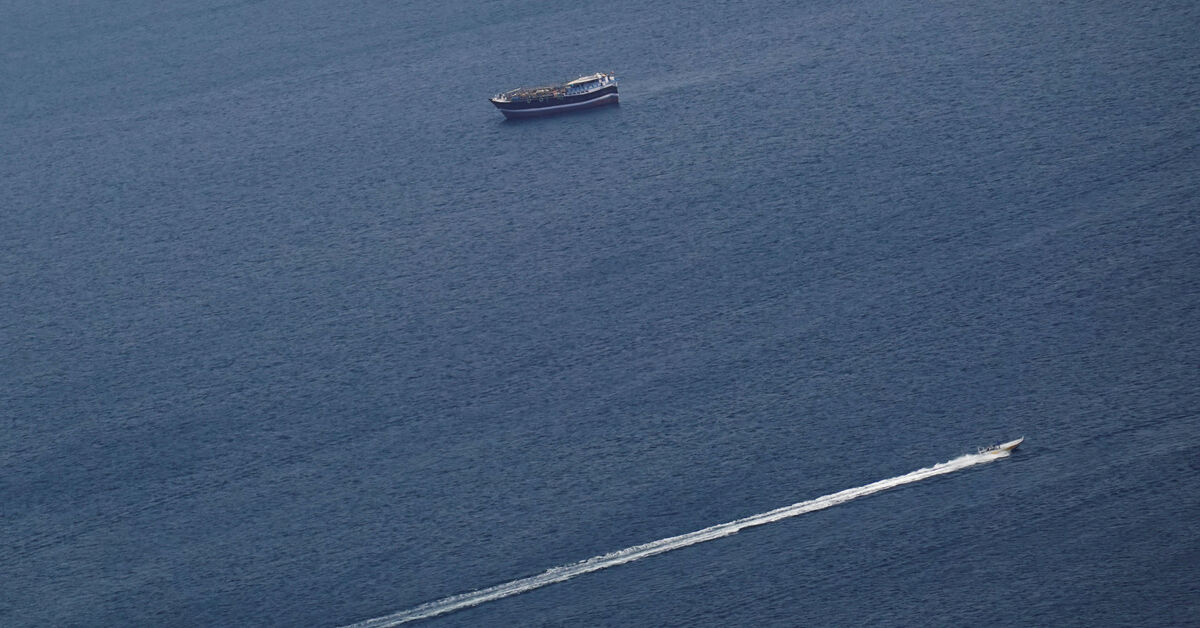
In a move reflecting Italy's stance on the tense situation in the Hormuz Strait, Deputy Prime Minister Matteo Salvini announced that no Italian ships will be sent to participate in monitoring operations in the region unless there is a clear mandate from the United Nations. This statement was made during a press conference in the capital, Rome, where he emphasized that this matter is not on the agenda.
Salvini, who also serves as the Minister of Infrastructure in Prime Minister Giorgia Meloni's government, pointed out that Italy made this decision under the current circumstances, where relative calm prevails following the ceasefire agreement between the US and Iran. He clarified that any military action must be supported by a clear international initiative.
Details of the Event
Salvini's remarks come at a sensitive time, as the Hormuz Strait is experiencing increasing tensions due to the ongoing conflict between the US and Iran. This strait is one of the most important maritime passages in the world, through which approximately 20% of the world's total oil passes. Therefore, any military movements in this area could significantly impact global energy markets.
Despite potential pressures that Italy may face from some of its allies, the Italian government prefers to adopt a cautious stance that ensures no escalation in the region. This decision also reflects the general trend in Italian foreign policy, which seeks to enhance international cooperation through multilateral institutions.
Context and Background
Historically, the Hormuz Strait has witnessed numerous military and political crises, serving as a stage for multiple conflicts between major powers. In recent years, tensions have notably escalated between the US and Iran, especially following Washington's withdrawal from the Iranian nuclear deal in 2018.
Since then, the US has imposed stringent economic sanctions on Iran, exacerbating the situation in the region. These conditions have seen an increase in attacks on commercial vessels, prompting many countries to consider sending naval forces to protect their interests in the area.
Consequences and Impact
This step by Italy could have significant implications for stability in the Gulf region. The absence of military support from Italy may leave the door open for escalating tensions between Iran and the US, which could affect maritime navigation and global oil prices.
Moreover, Italy's position may encourage other countries to take similar steps, potentially leading to a reduction in military presence in the region. This could contribute to enhancing diplomatic efforts to resolve existing conflicts.
Impact on the Arab Region
The Arabian Gulf region is among the most affected by events in the Hormuz Strait, as many Arab countries rely on this vital passage for exporting their oil. Consequently, any escalation in tensions could directly impact the economies of these nations.
At the same time, this Italian stance may foster cooperation among Arab countries in the field of maritime security, as these nations might seek to form alliances to protect their interests in the region. Additionally, enhancing dialogue between Iran and Arab countries may become increasingly important under these circumstances.
In conclusion, Italy's position appears to reflect a desire for stability in the Hormuz Strait, emphasizing the importance of international cooperation in addressing crises. The shift towards diplomacy rather than military escalation may be the best option to ensure the safety of maritime navigation and the stability of energy markets.